 Lynden
 Siding Built for Deming's Wooded, Wet Environment
Deming sits inland from Lynden along the Nooksack River corridor, in the shadow of the Mount Baker foothills, and that setting shapes what happens to a house's exterior over time. Heavy tree canopy, riverside humidity, and a long, overcast rainy season create conditions that are tougher on siding than most homeowners realize until they're scraping paint or replacing rotten trim boards. We install exterior siding, roofing, windows, and decks throughout Whatcom County, and Deming is one of the areas where we see the clearest evidence of what climate does to the wrong exterior products over ten or fifteen years.
This page covers what Deming homes typically face, how we approach siding replacement in this kind of setting, and why we've standardized on one product line rather than offering a menu of options.
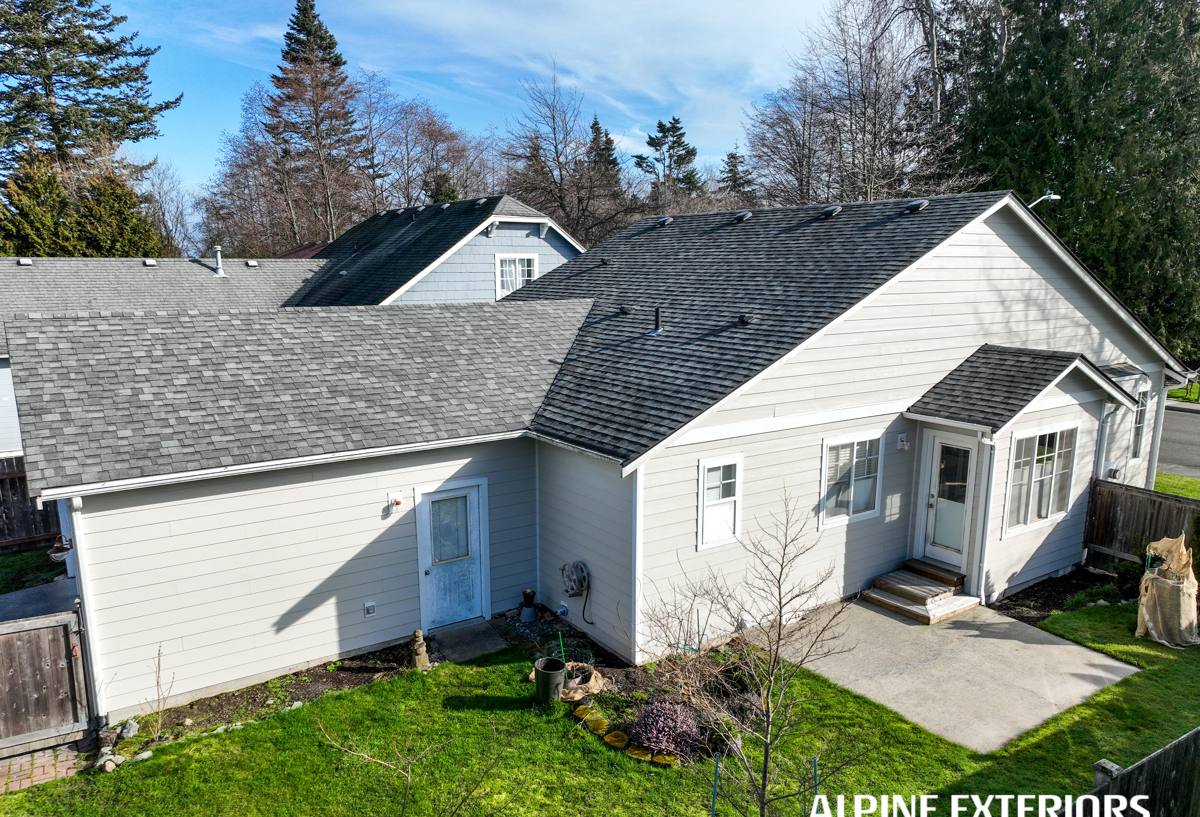
What the Deming Climate Does to Exterior Siding
Shade, Moisture, and Moss
Properties tucked under fir and cedar canopy — common throughout Deming — dry out slower after rain than homes in open, sun-exposed lots. Whatcom County already runs a long wet season; add heavy tree cover and a north-facing wall or shaded gable can stay damp for days at a stretch. That's exactly the environment moss, algae, and mildew need to take hold, and it's exactly the environment where wood-based and wood-fiber siding products struggle most, since sustained moisture is what triggers swelling, delamination, and eventual rot at seams and butt joints.
Driving Rain and Wind-Driven Exposure
Storms moving up the Nooksack valley bring rain at an angle, not just straight down, which pushes water into laps, corners, and any gap in caulking or flashing. Siding that depends on a painted surface film to stay watertight is only as good as that paint job — and paint doesn't hold up as well when it's sitting on a substrate that's already absorbing moisture from the shaded side of the house.
Regional Salt Air and Seasonal Swings
Whatcom County as a whole sees salt-laden air move inland off the Salish Sea, along with the freeze-thaw swings that come with winter cold snaps followed by wet fronts. Deming is far enough inland that salt exposure is lighter than it is closer to the water, but the combination of damp, shaded conditions and seasonal temperature swings still stresses caulking, fasteners, and paint film in the same basic way — repeated expansion and contraction that opens small gaps for water to work into.
Why We Only Install James Hardie Fiber Cement
We get asked regularly why we don't offer vinyl, LP SmartSide, cedar, primed spruce, or other fiber cement brands like Cemplank or Allura. It's not that these products have no merit — it's that after years of installing and repairing siding across this climate, we decided we'd rather stand behind one system we trust completely than offer a catalog of options with different failure points.
| Product | Where It Struggles Locally |
|---|---|
| Vinyl siding | Can warp or distort with temperature swings; seams and J-channel are common water entry points; doesn't hold up well against heavy moss/algae growth without regular washing |
| LP SmartSide (wood-strand) | Engineered wood substrate is vulnerable to sustained moisture at cut edges and joints — a real risk under heavy tree canopy where walls stay damp longer |
| Cedar / primed spruce | Natural wood requires ongoing refinishing; shaded, damp siting accelerates rot, cupping, and paint failure |
| Other fiber cement brands | Similar base material to Hardie, but weaker factory finish warranties and less climate-specific engineering for the Pacific Northwest |
| James Hardie fiber cement | Non-combustible, engineered moisture resistance, factory-cured ColorPlus finish, product lines built specifically for wet climates |
James Hardie's HZ5 product line is engineered for regions with exactly this kind of moisture exposure — freeze-thaw cycles, prolonged dampness, and heavy rain. The fiber cement core doesn't absorb and swell the way wood or wood-composite products can, and it won't warp the way vinyl can under temperature stress. The ColorPlus factory finish is baked on under controlled conditions rather than field-applied, which matters a lot on a shaded Deming property where a job-site paint job would have a harder time curing properly in cool, damp air.
How Siding Replacement Works for a Deming Property
1. On-Site Assessment
We look at more than the siding itself — canopy coverage and shade patterns, how water sheds off the roofline, condition of existing trim and flashing, and any soft spots or moss buildup that point to trapped moisture underneath. On heavily wooded lots we pay close attention to north- and east-facing walls, which typically show the most moss and the slowest drying.
2. Addressing What's Underneath
Old siding often hides water damage, degraded house wrap, or missing flashing at windows and corners. We don't just re-side over problems — sheathing repairs, proper weather-resistive barrier, and correct flashing details go in before a single piece of Hardie board is hung. This step matters more in a shaded, damp setting like Deming than it does on an open, sun-exposed lot.
3. Correct Installation to Hardie's Specifications
Fiber cement performs the way it's designed to only when it's installed correctly — proper clearances from grade and roofline, correct fastener spacing, factory-mitered or properly caulked joints, and ventilation behind the cladding where needed. Installation quality is the single biggest variable in how well any siding product performs over 20+ years, and it's where a lot of corners get cut on cheaper jobs.
4. Trim, Roofing, and Windows Together
Because we also handle roofing, windows, and decks, we can address a property's full exterior envelope in one project rather than treating siding as an isolated repair. On older Deming homes it's common to find that the roofline, window flashing, and siding all need attention at once — patching just one piece rarely solves the underlying moisture problem.
Why a Local Crew Matters Here
A crew that mostly works subdivisions in town won't necessarily think about canopy shade, riverside humidity, or how a property backs up against timber. We work across Whatcom County, including Lynden and the surrounding rural areas, and we've seen firsthand how differently a shaded, wooded lot ages compared to an open one just a few miles away. That local pattern recognition shapes where we pay extra attention — ventilation behind siding on shaded walls, drainage planning at grade, and flashing details at rooflines that see slow-draining rain.
Maintenance Realities for Deming Homeowners
- Expect more moss and algae growth on shaded, north-facing walls than on sun-exposed ones — occasional gentle washing keeps it from taking hold long-term
- Keep gutters and downspouts clear; overflow near shaded walls compounds an already slow-drying situation
- Trim back vegetation and tree limbs that keep siding in constant shade or hold moisture against the wall
- Inspect caulking at trim and window joints every year or two — this is where small gaps let water in first
- Factory-finished fiber cement needs far less upkeep than painted wood, but it's not zero-maintenance — walk the exterior annually
What Replacement Typically Involves
Every property is different, but a few factors consistently drive scope and cost on Deming jobs:
| Factor | Why It Matters |
|---|---|
| Extent of hidden water damage | Rotten sheathing or trim found during tear-off adds repair scope before new siding goes on |
| House size and complexity | More corners, gables, and trim detail mean more cutting, fitting, and labor time |
| Access and canopy coverage | Tight, wooded lots can slow staging and material handling compared to open sites |
| Trim and accessory choices | Hardie trim boards, soffit, and fascia add cost but keep the whole exterior system consistent |
| Bundling with roofing or windows | Addressing the full envelope at once is often more efficient than separate projects over several years |
Roofing, Windows, and Decks Alongside Siding
A lot of the same climate stress that wears down siding in Deming — sustained shade, driving rain, moisture that lingers — also shows up in roofing and window performance. We handle all four exterior trades, so if a siding assessment turns up a compromised roof edge or a window that's letting water into the wall cavity, we can fold that into the same project instead of sending a homeowner to find a second contractor.
Get a Straightforward Look at Your Property
If you're dealing with moss buildup, soft or discolored siding, or you're just planning ahead for a home in the Deming area, we're happy to come take a look and give you an honest read on condition and options. There's no pressure and no cost for the estimate — just a clear picture of what your siding is telling you and what it would take to fix it right.