 Lynden
 Roofs Out Toward Acme Take a Different Kind of Beating
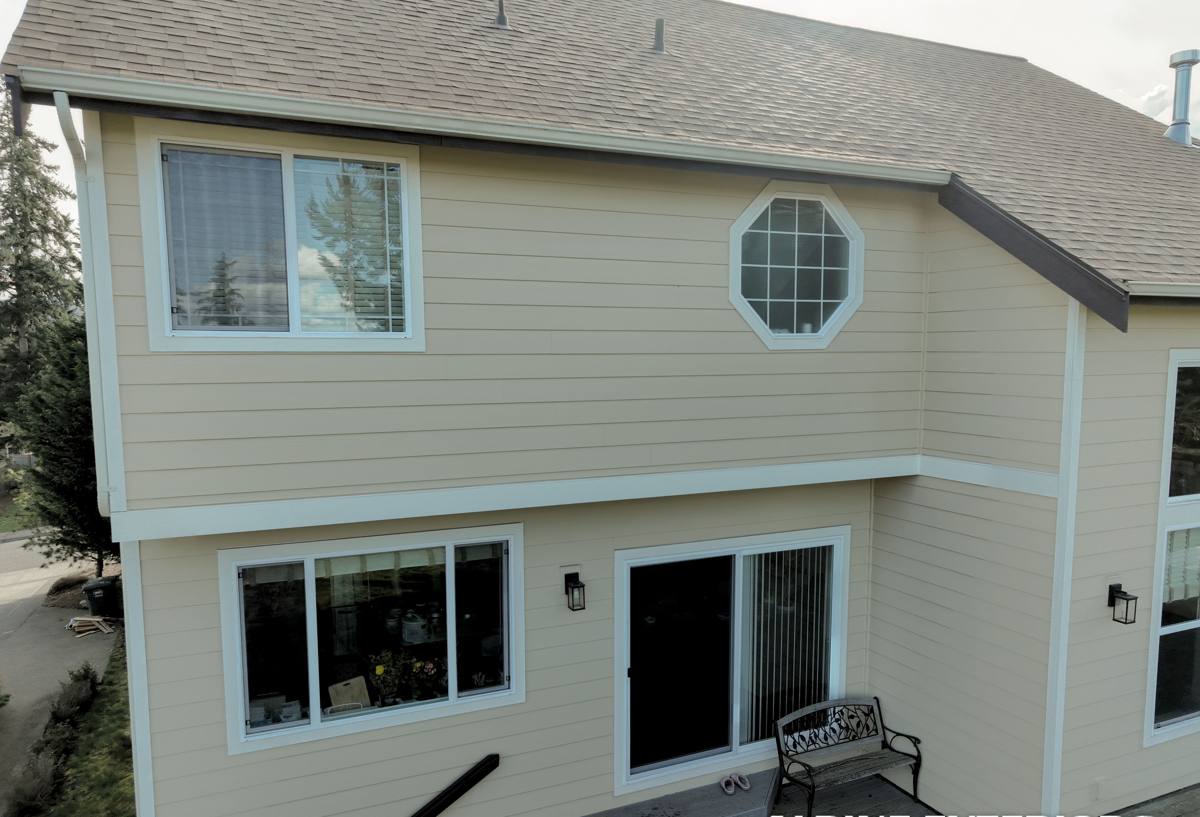
Homes in the Acme area sit at the edge of Whatcom County's timber country, tucked closer to the foothills than the homes right in town — which means more tree cover, more shade, and more standing moisture on the roof deck for longer stretches of the year. Combine that with the marine air that moves through this whole corner of Washington and you get a roofing environment that's genuinely harder on materials than what you'd find in a drier inland climate. A roof that would last 25 years in Eastern Washington might only give you 18-20 years out here, and it will show its age differently — moss in the valleys before the shingles themselves look worn, soft spots under mature trees, fascia rot on the shaded north side long before the sunny side needs attention.
This page is about one thing: full roof replacement for homes in and around Acme, done by a crew that already knows what this specific stretch of Whatcom County does to a roof. Not a generic overview of roofing — the actual considerations that matter for a house out here.
What the Local Climate Does to a Roof Over Time
Moss Season Runs Long
Between the tree cover common around Acme and our mild, wet winters, moss has months to establish itself on any roof that doesn't get consistent sun exposure. Moss isn't just cosmetic — it holds moisture against the shingle surface, works its rhizoids under the granule layer, and lifts shingle tabs enough for wind-driven rain to get underneath. A roof that looks "mostly fine" from the ground can have years of moisture damage building underneath a mat of moss you'd only notice by getting up there.
Driving Rain Finds Every Weak Point
Whatcom County doesn't just get rain — it gets rain pushed sideways by wind off the water and funneled through the valleys near the foothills. That kind of driving rain doesn't respect a roof's slope the way a straight-down shower does. It gets up under improperly lapped flashing, through nail holes that weren't sealed correctly, and around chimneys and skylights where the original install cut corners. A lot of the "mystery leaks" we get called out for trace back to flashing detail, not the shingles themselves.
Salt Air Adds to the Wear
Even away from the immediate waterfront, the marine air that moves across Whatcom County carries salt and moisture that accelerates corrosion on exposed metal — flashing, fasteners, gutter hardware, and any exposed metal roofing panels. Over a couple of decades, that steady low-grade corrosion is part of why metal components need to be rated and installed correctly, not just picked for looks.
Signs an Acme-Area Home Needs Replacement, Not Another Repair
Repairs make sense when the damage is isolated and the rest of the roof still has useful life. Replacement makes sense when the damage is systemic or the roof is old enough that patching one spot just means the next leak is a matter of time. Here's what tells us which situation you're in:
- Granule loss heavy enough that shingles look patchy or blotchy, especially on south- and west-facing slopes
- Moss or algae staining across large sections rather than isolated shaded patches
- Shingles that are cupping, curling at the edges, or cracking when you look closely
- Soft or spongy spots when walked on, which usually means the decking underneath is compromised
- Daylight visible through the roof deck from inside the attic
- Multiple past repairs in different areas rather than one contained problem
- Roof age at or past 20-25 years for asphalt shingle, regardless of how it looks from the ground
- Rising energy bills tied to poor attic ventilation or insulation gaps at the roofline
If you're only seeing one or two of these and the roof is under 15 years old, a repair is probably the honest answer. If you're seeing several of these together, replacement is usually the more cost-effective path — you stop paying for repeat repairs on a roof that's already past its useful service life.
What a Correct Roof Replacement Actually Involves
A roof replacement is more than swapping old shingles for new ones. Done right, for a home in this climate, it includes:
Full tear-off. We don't install over existing layers. Tearing off down to the deck is the only way to actually inspect the wood underneath and catch rot or soft spots before they're buried under a new roof.
Deck inspection and repair. Any decking that's soft, delaminated, or water-stained gets replaced before anything else goes down. Skipping this step is the single most common shortcut that leads to problems five or ten years later.
Underlayment matched to the exposure. Given how much wind-driven rain this area sees, we use synthetic or self-adhering underlayment at eaves, valleys, and around penetrations — not just the minimum felt layer some jobs get away with in drier climates.
Flashing done properly, not caulked over. Chimneys, skylights, walls, and valleys need step flashing and counter-flashing installed correctly. Caulk is a maintenance item, not a substitute for proper flashing geometry.
Ventilation that actually balances. Intake at the eaves and exhaust at the ridge need to work together. Poor ventilation traps moisture in the attic, which shortens the life of the decking and the shingles from underneath — a slow failure you won't see until it's advanced.
Ice-and-water shield where it matters. Valleys and eaves are the areas most likely to see water backup during heavy rain events, and they get extra protection accordingly.
Choosing the Right Materials for This Climate
There's no single "best" roofing material — the right choice depends on your home, your budget, and how much maintenance you want to take on. Here's how the common options actually perform out here:
| Material | Moss & Moisture Behavior | Typical Lifespan Locally | Trade-Offs |
|---|---|---|---|
| Standard asphalt shingle (3-tab) | Moderate moss risk without algae-resistant granules | 15-20 years | Lowest upfront cost; shortest lifespan in this climate |
| Architectural (laminate) shingle | Better with algae-resistant granules built in | 20-30 years | Best balance of cost, appearance, and durability for most Acme-area homes |
| Standing-seam metal | Sheds moss and moisture very well due to slick, low-friction surface | 40-50+ years | Higher upfront cost; requires correct fastener and flashing detail near salt-influenced air |
| Cedar shake | Highest maintenance burden — needs regular treatment to resist moss and rot | Varies widely with upkeep | Traditional look, but the maintenance schedule in a wet climate is real and ongoing |
For most homes we see around Acme, a quality architectural shingle with algae-resistant granules hits the right balance — it handles the moss and moisture load well and the cost stays reasonable. Metal makes sense for homeowners planning to stay long-term and wanting to minimize maintenance calls over the decades, but it's a bigger upfront investment and needs a crew that installs the fastener and flashing details correctly, especially with salt-influenced air in play.
Our Roof Replacement Process, Start to Finish
- On-site inspection. We look at the whole system — shingles, decking, flashing, ventilation, gutters — not just what's visible from the driveway, and walk you through what we find.
- Written estimate. A clear scope of work and price, with material options explained honestly, including why we'd steer you toward or away from a given option for your specific roof.
- Scheduling around the weather. We plan tear-off days around the forecast so your home isn't left exposed during a stretch of driving rain — a real consideration here that some crews skip.
- Tear-off and deck inspection. Old roofing comes off, decking gets inspected, and any repairs get approved with you before we cover them up.
- Underlayment, flashing, and shingle installation. Installed in the order and manner that actually sheds water in wind-driven rain, not just straight-down rain.
- Ventilation check. Intake and exhaust get verified as a balanced system, not just individually present.
- Cleanup and final walkthrough. Magnetic sweep for nails, full site cleanup, and a walkthrough so you know exactly what was done and what to expect going forward.
Why a Crew That Already Works the Acme Area Matters
A roofer who mostly works elsewhere in Whatcom County — or outside it entirely — is guessing at the details that matter most for your specific location: how much shade your lot gets and what that means for moss buildup, how exposed your roofline is to wind-driven rain given the surrounding terrain, and what permitting and inspection process the county actually follows for a project in this area. A crew that's already done roofs out here isn't guessing. We know what tear-offs in this area tend to reveal underneath, what ventilation setups actually work given the tree cover common on these lots, and how to schedule around weather patterns that are specific to this part of the county rather than generic Pacific Northwest assumptions.
That local familiarity also means fewer surprises during the job — we're not learning your area's quirks on your dime.
Keeping a New Roof Performing After Installation
A correct installation is most of the battle, but a little upkeep protects the investment:
- Keep gutters clear so water isn't backing up under the eaves, especially during heavy fall and winter rain
- Trim back overhanging branches to cut down on shade and debris that feed moss growth
- Have moss treated or gently removed at the first sign of regrowth rather than letting it establish
- Schedule a quick visual check after major wind events to catch any lifted shingles early
- Get a professional look-over every few years, even without an obvious problem
What Roof Replacement Typically Costs
Every roof is different, but the main cost drivers on a job out here are consistent:
| Factor | How It Affects Cost |
|---|---|
| Roof size and pitch | Larger and steeper roofs take more material and more labor time |
| Material choice | Standard asphalt is the lowest entry cost; metal and cedar run considerably higher |
| Deck condition | Rot or soft decking found during tear-off adds material and labor to replace it |
| Number of penetrations | Chimneys, skylights, and vents each need proper flashing, which adds labor |
| Access and layout | Steep or hard-to-access roofs take longer and require more safety setup |
We don't publish blanket pricing because it genuinely depends on these factors, but we'll give you a straightforward written estimate after seeing the roof in person — no pressure, no inflated "today only" pricing tactics.
If your roof is showing its age or you just want an honest read on where it stands, we're happy to take a look. Fill out the form below for a free, no-pressure estimate on your Acme-area home.