 Lynden
 Storm Damage Roof Repair Built for Blaine's Coastline
Blaine sits right where the wind off the Strait of Georgia and Boundary Bay meets a roofline, and that combination is harder on a roof than most homeowners realize until something goes wrong. A roof that would hold up fine forty minutes inland can take real damage here from the same storm — driving rain that finds its way under a lifted shingle, salt-laden air that eats at exposed fasteners and flashing faster than it should, and a moss season that runs longer than almost anywhere else in Whatcom County. Storm damage repair in Blaine isn't a generic service we apply the same way everywhere; it has to account for what this specific stretch of coastline throws at a roof, year after year.
This page covers what storm damage actually looks like on a Blaine roof, what a correct repair involves, and how we approach the job from first call to final walk-through.
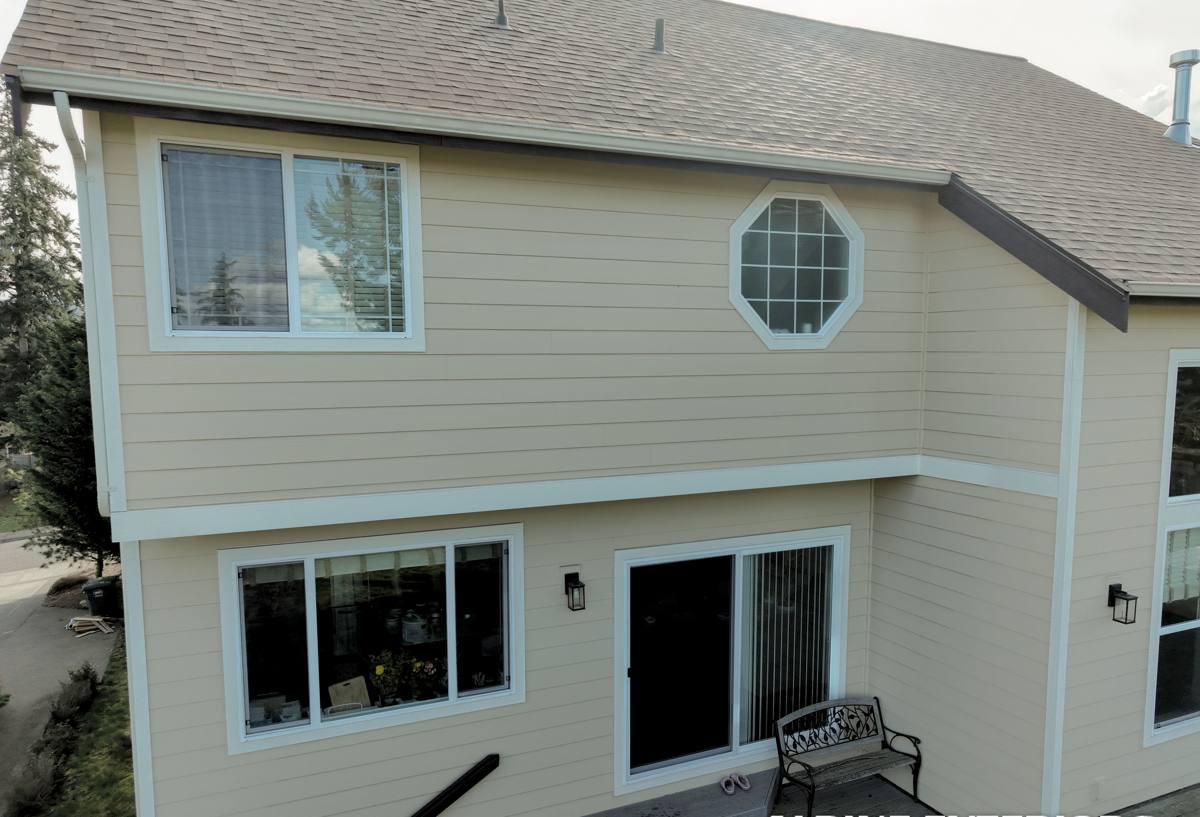
What Blaine's Weather Actually Does to a Roof
Wind and Driving Rain
Storms coming off the water tend to push rain sideways instead of straight down. That matters because a roofing system is built to shed water moving downhill, not water being forced sideways or upward under a shingle edge. Wind gusts that lift a single tab or work a ridge cap loose don't need to cause visible damage to cause a leak — they just need to open a gap that driving rain can find. That's why a lot of storm damage in Blaine shows up as a slow interior stain weeks after the storm, not a dramatic hole in the roof.
Salt Air and Corrosion
Blaine's proximity to Boundary Bay and the Strait means the air carries more salt than it does even a short distance inland in Lynden. Salt air accelerates corrosion on exposed metal — nail heads, flashing, gutter fasteners, and any hardware that isn't properly coated or protected. A roof repair that ignores this and uses standard-grade fasteners or flashing can look fine for a year or two and then start failing at exactly the points where metal meets metal. We factor coastal exposure into material choice on every Blaine repair, not just the ones right on the water.
A Long Moss Season
Whatcom County's wet season runs long, and Blaine's marine-influenced climate keeps roofs damp even on days when it isn't actively raining. Moss and algae take advantage of that moisture and shade, working into shingle edges and granule layers. Left alone, moss holds water against the roof surface and lifts shingles at the edges — which turns a maintenance issue into a storm vulnerability, because a moss-lifted shingle is exactly the kind of weak point wind-driven rain exploits.
Recognizing Storm Damage Before It Becomes a Bigger Problem
Most storm damage isn't obvious from the ground. After any significant wind or rain event, it's worth checking for the following:
- Shingles that look curled, cracked, or missing granules in patches
- Soft spots or discoloration on interior ceilings, especially near exterior walls or chimneys
- Debris or granules collecting in gutters after a storm (a sign of shingle wear, not just normal shedding)
- Flashing around chimneys, vents, or skylights that looks bent, lifted, or separated from the roof surface
- Visible daylight through the attic or soffit vents where there shouldn't be any
- Moss buildup at shingle edges, valleys, or the north-facing slope where sun exposure is lowest
- Gutters pulling away from the fascia or sagging after heavy rain
None of these guarantee a major problem, but any of them are worth a professional look rather than a wait-and-see approach. Roof leaks rarely stay small.
What a Correct Storm Damage Repair Actually Involves
A Real Assessment, Not a Guess
A proper repair starts with getting on the roof and checking the surrounding areas — not just patching the spot where a leak showed up inside. Wind and rain damage often affects an area larger than where the symptom appears, so we look at the full slope, the flashing details, and the underlayment condition before deciding on scope.
Flashing and Underlayment First
Most storm-related leaks trace back to flashing — around chimneys, skylights, vent pipes, and roof-to-wall transitions — or to underlayment that's been compromised. Replacing shingles without correcting the flashing or underlayment underneath them is a common shortcut that leads to the same leak coming back after the next storm. We treat the water barrier underneath as the actual repair and the shingles as the finish layer on top of it.
Matching Materials, Not Just Covering the Damage
When a repair is isolated to a section of roof, we match the existing shingle profile, color, and where possible, manufacturer as closely as the market allows, so the repair blends rather than becoming a visible patch. When the damage is spread across enough of the roof — or the surrounding shingles are already near the end of their service life — patching isn't the honest answer, and we'll say so rather than nickel-and-diming a roof that needs a fuller replacement.
Fasteners and Hardware Rated for Coastal Exposure
Given Blaine's salt air, we use corrosion-resistant fasteners and flashing on repairs here rather than defaulting to whatever's standard for an inland job. It costs a little more up front and saves a callback a few years later when standard hardware starts to rust at the repair points.
Repair vs. Replacement: How We Make the Call
Not every storm-damaged roof needs to be replaced, and not every roof can be responsibly patched. The right call depends on a few factors we walk through with the homeowner directly:
| Factor | Leans Toward Repair | Leans Toward Replacement |
|---|---|---|
| Age of existing roof | Under roughly 10-12 years, healthy elsewhere | Near or past expected shingle lifespan |
| Extent of damage | Isolated to one section or a few spots | Spread across multiple slopes or the whole roof |
| Underlayment condition | Intact and dry beneath damaged shingles | Saturated, deteriorated, or original underlayment showing age |
| Material availability | Matching shingle still available | Discontinued profile or color, patch would be visibly mismatched |
| Moss/algae history | Minor, addressed with cleaning | Long-term moss damage affecting granule loss broadly |
| Insurance scope | Adjuster approves targeted repair | Adjuster or inspection supports full replacement |
We'll give a straight answer on which side of that line your roof falls on, and we won't push replacement on a roof that's genuinely repairable.
Our Process From Call to Completion
1. Initial Contact and Scheduling
We ask what you're seeing — a leak, missing shingles, visible storm damage — and get a technician out to look at it, prioritizing active leaks.
2. On-Roof Inspection
We inspect the damaged area and the surrounding roof, check flashing, underlayment, attic ventilation, and take note of moss or algae conditions that could affect the repair's longevity.
3. Clear Scope and Estimate
You get a written explanation of what's damaged, what needs to happen to fix it correctly, and a cost range before any work starts. If insurance is involved, we document damage in a way that supports your claim.
4. The Repair
We address the underlying flashing and underlayment issues first, then rebuild the shingle surface to match, using fasteners and materials appropriate for Blaine's coastal exposure.
5. Final Walk-Through
We show you the completed work, confirm the repair area is watertight, and flag anything else worth keeping an eye on — like moss starting to establish nearby or a gutter section that's due for attention.
Insurance Claims and Storm Damage
Storm damage is one of the more common reasons homeowners file a roofing insurance claim, and having clear documentation matters. When damage is storm-related, we photograph and describe it in terms an adjuster can use, and we're available to walk an adjuster through the roof if that's helpful. We don't inflate scope to chase a bigger payout, and we don't downplay real damage to make a job look simpler than it is — the goal is an honest scope that matches what the roof actually needs, whether that's covered by insurance or paid out of pocket.
Why a Crew That Already Works Blaine Matters
A roofer who works Blaine regularly already knows what the salt air does to standard hardware over a few years, already accounts for the area's longer wet season when scheduling and sequencing a repair, and has seen enough local roofs to recognize the difference between cosmetic wear and a real storm-caused weak point. That local pattern recognition is hard to replace with a one-time visit from a crew that mostly works elsewhere. It also means we're not learning Whatcom County's climate on your roof — we're applying what we already know works here.
Maintaining Your Roof Between Storms
A storm-damage repair holds up longer when it's paired with basic upkeep. Keeping gutters clear so water isn't backing up under the roof edge, addressing moss growth before it spreads across a slope, and having the roof looked at after any unusually strong wind event all reduce the odds of repeat damage. None of this requires a major investment — it's mostly about not letting small issues sit through an entire wet season unaddressed.
If you're dealing with storm damage on a Blaine roof, or just want an honest read on whether recent weather did any harm, we're happy to take a look. Request a free, no-pressure estimate using the form below — there's no obligation, and you'll get a straight answer either way.