 Lynden
 Decks Built for the Wet Side of the Border
Aldergrove sits in that stretch of the Fraser Valley where the weather off the Pacific piles up against the foothills and just keeps coming down. We're based across the line in Lynden, Whatcom County, but a good share of our deck work happens right here in Aldergrove and the surrounding BC communities, because the climate problems are the same problems whichever side of the border a house sits on. Driving rain, damp marine air, and long stretches of gray, moss-friendly weather don't care about a boundary line. A deck built for Arizona or even inland BC won't hold up the same way out here, and that's the difference we build into every project.
This page is specifically about custom deck construction for Aldergrove properties — new decks, full rebuilds, and additions to existing outdoor living space. If you're comparing contractors or just trying to understand what a correctly built deck actually involves in this climate, this should give you a real answer instead of a sales pitch.
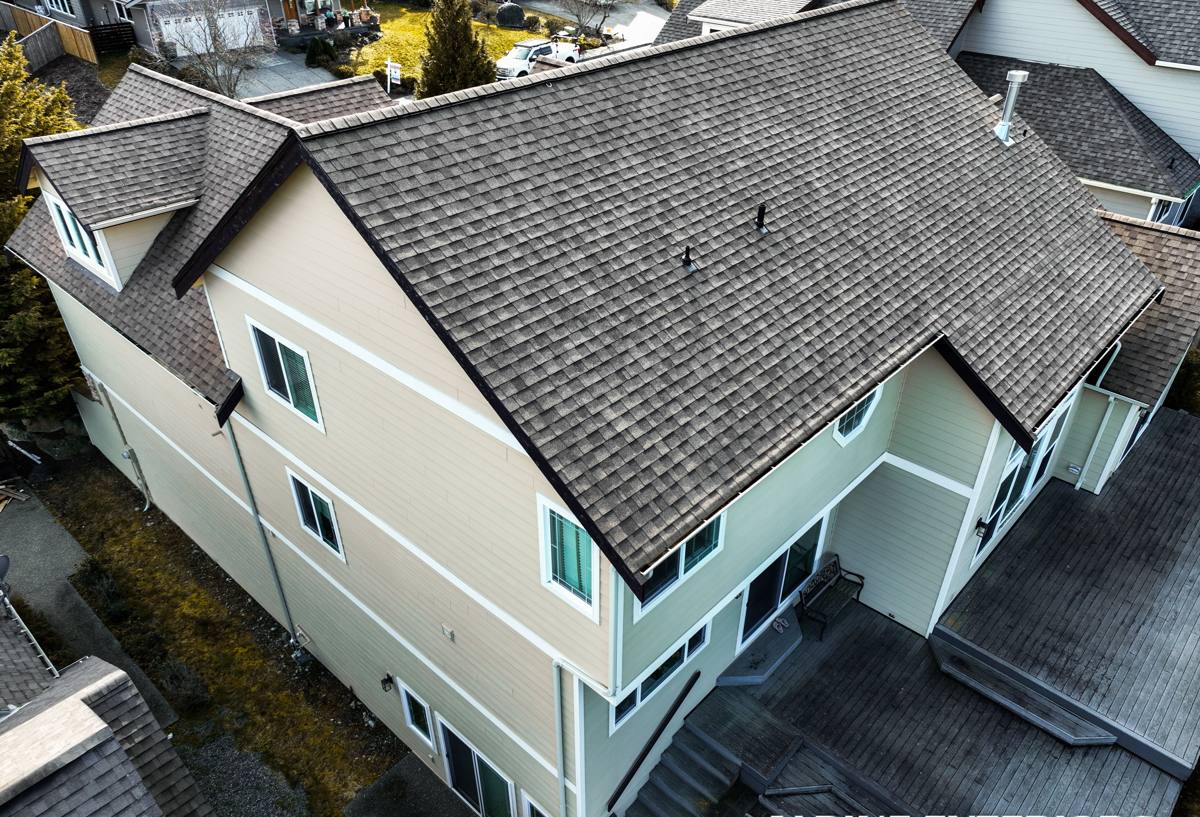
What the Local Climate Actually Does to a Deck
Three things wear on outdoor structures here more than almost anywhere else in North America:
- Driving rain — wind-blown rain during fall and winter storms gets pushed sideways into ledger boards, stair stringers, and any horizontal surface that isn't sloped or flashed correctly.
- Salt-tinged marine air — moisture moving inland off the Salish Sea carries fine salt content that accelerates corrosion on fasteners, hinges, and any exposed metal hardware, even well away from the immediate coastline.
- A long moss season — cool, damp, low-sun months stretch from fall through spring, which is exactly what moss and algae need to take hold on shaded decking, north-facing stairs, and anywhere water sits instead of draining.
None of these are exotic problems, but they're persistent ones. A deck that's technically "built to code" can still fail early here if the person building it didn't account for how much water this region actually sees and how long it stays around.
Getting the Foundation and Framing Right
Footings
Footings need to be sized and set to the depth required for this area's frost and soil conditions, not guessed at. Undersized or shallow footings are one of the more common causes of a deck that starts to rock, sag, or pull away from the house within a few years — usually invisible until it's already a problem.
Ledger Attachment and Flashing
Where a deck attaches to the house is the single highest-risk spot for water damage on the entire structure. Correct ledger flashing — installed so water sheds outward and away from the wall assembly rather than behind the ledger board — is non-negotiable in a climate that sees this much driving rain. A poorly flashed ledger is a slow, hidden path for rot into the house framing itself, and it's often the most expensive mistake to fix after the fact.
Fasteners and Hardware
Given the corrosive potential of salt-laden coastal air, we use hot-dip galvanized or stainless structural hardware rather than standard coated fasteners, especially for joist hangers, structural screws, and post bases that stay wet longest.
Choosing a Decking Material for This Climate
There's no single "best" decking material — there's a best material for your budget, your maintenance appetite, and how much sun and shade your yard actually gets. Here's how the common options actually compare once you factor in this region's weather:
| Material | Upfront Cost | Maintenance | How It Handles Local Moisture |
|---|---|---|---|
| Pressure-treated wood | Lowest | Annual cleaning, periodic staining/sealing | Prone to graying, splintering, and moss growth in shaded spots if not maintained |
| Cedar | Mid | Regular sealing to hold color and resist moisture | Naturally rot-resistant but still needs upkeep in constant damp |
| Composite decking | Higher | Occasional washing, no staining or sealing | Resists rot and moss buildup much better; some boards can absorb surface moisture at cut edges if not capped |
| Capped composite / PVC | Highest | Minimal — soap and water | Best moisture and moss resistance of the group; fully sealed surface sheds water and doesn't feed algae growth the way bare wood fibers do |
For a lot of Aldergrove properties with shaded yards or tree cover, we steer people toward composite or capped composite specifically because moss and algae have a much harder time getting a foothold on a sealed surface than on open wood grain. That said, plenty of homeowners still prefer the look and lower upfront cost of real wood — it's a legitimate choice as long as you go in knowing the maintenance schedule it needs to actually last.
Railings, Stairs, and Safety Details
Guard height, baluster spacing, and stair geometry all need to meet the building code that applies to your property. Because we work on both sides of the border, we build Aldergrove decks to the code that governs there, not to whatever we're used to on a Washington job down the road — the requirements aren't identical, and mixing them up is how a deck fails a permit inspection or, worse, becomes a real safety issue later.
Stairs deserve particular attention in this climate. Open stringers and unsloped treads collect standing water and are where moss and slick algae show up first — often before anyone notices the same buildup happening less visibly on the main deck surface.
Controlling Moss, Mildew, and Slip Risk
You can't eliminate moss pressure in a Fraser Valley climate, but you can design a deck that doesn't invite it in the first place:
- Proper board spacing so water drains through instead of pooling on the surface
- Joist tape over framing members to keep the wood structure underneath from staying saturated
- Adequate airflow beneath the deck so the underside can actually dry out between rain events
- Board orientation and layout that avoids creating shaded, low-airflow pockets where moss gets a head start
- Material selection that matches how much direct sun (or lack of it) the specific spot actually gets
None of this is complicated, but it has to be planned at the design stage — you can't retrofit good drainage and airflow onto a deck after it's built the way you can swap a light fixture.
How We Approach a Custom Deck Project
Site Visit and Design
We look at your yard's sun exposure, drainage, existing grade, and how the deck will actually get used before talking materials. A deck for morning coffee off a kitchen door has different needs than a deck built for entertaining or one tucked under mature trees.
Material and Layout Selection
We walk through the honest tradeoffs — cost, maintenance, and how each option performs against the moss and moisture pressure specific to your lot — so you're picking based on real information, not a showroom sample under indoor lighting.
Permitting
Deck permitting requirements vary by jurisdiction and by the size and height of the structure. We handle that process as part of the job rather than leaving it for the homeowner to sort out.
Build
Framing, flashing, and hardware choices follow the standards outlined above on every project — they're not upgrades we offer, they're how we build a deck meant to hold up here.
Final Walkthrough
We go over the finished deck with you, including basic care so you know what keeps it looking good and what to watch for as the seasons change.
Why a Crew That Already Works in Aldergrove, BC Matters
Building across an international border sounds more complicated than it needs to be, but only if the contractor doing it hasn't worked out the logistics before. We already know how to schedule crews and material deliveries for Aldergrove jobs, which permit and inspection process applies on that side of the line, and which suppliers actually stock what a given project needs without a long delay.
More importantly, we know this specific stretch of climate — Whatcom County and the Fraser Valley share the same wet, moss-prone, salt-touched weather pattern, even though they're governed by different codes. A contractor who's only built in a drier inland climate, or who's never dealt with cross-border permitting, is more likely to miss something that only shows up here: the flashing detail that matters because of how hard the rain drives sideways, or the drainage gap that matters because moss season runs six months instead of two.
Keeping a New Deck in Good Shape
Whatever material you choose, a little seasonal attention goes a long way in this climate:
- Sweep debris out of board gaps before it composts into a moss-friendly layer
- Rinse or wash the surface at least once or twice a year, more often in shaded areas
- Check and re-seal wood decking on the schedule the finish actually requires — don't wait until it's visibly gray
- Inspect ledger flashing and fastener heads annually for early signs of corrosion or water intrusion
- Keep gutters and downspouts near the deck clear so runoff isn't dumping extra water onto the structure
- Trim back overhanging branches that keep sections of the deck shaded and slow to dry
If you're planning a new custom deck in Aldergrove, BC, or thinking about replacing one that's already showing its age, we're happy to come take a look and give you a straight, no-pressure estimate — just fill out the form below.