 Lynden
 Window Installation Built for Everson's Weather, Not Just Its Openings
Everson sits in the part of Whatcom County where Pacific weather systems roll in off the Salish Sea, climb the Nooksack valley, and dump rain for days at a time. That pattern is hard on windows in ways homeowners in drier climates rarely deal with. Wood sills swell and rot, aluminum frames pit and corrode, moss and algae take hold on north-facing trim, and condensation fogs up double-pane glass that's lost its seal. A window installation here isn't just about picking a style you like — it's about choosing a product and an installation method that can stand up to months of driving rain and damp, moss-friendly shade every year.
This page covers what window installation looks like specifically for Everson homes: what the climate demands, what a correct install actually involves, how we approach the job, and why local experience matters more here than a lot of homeowners realize.
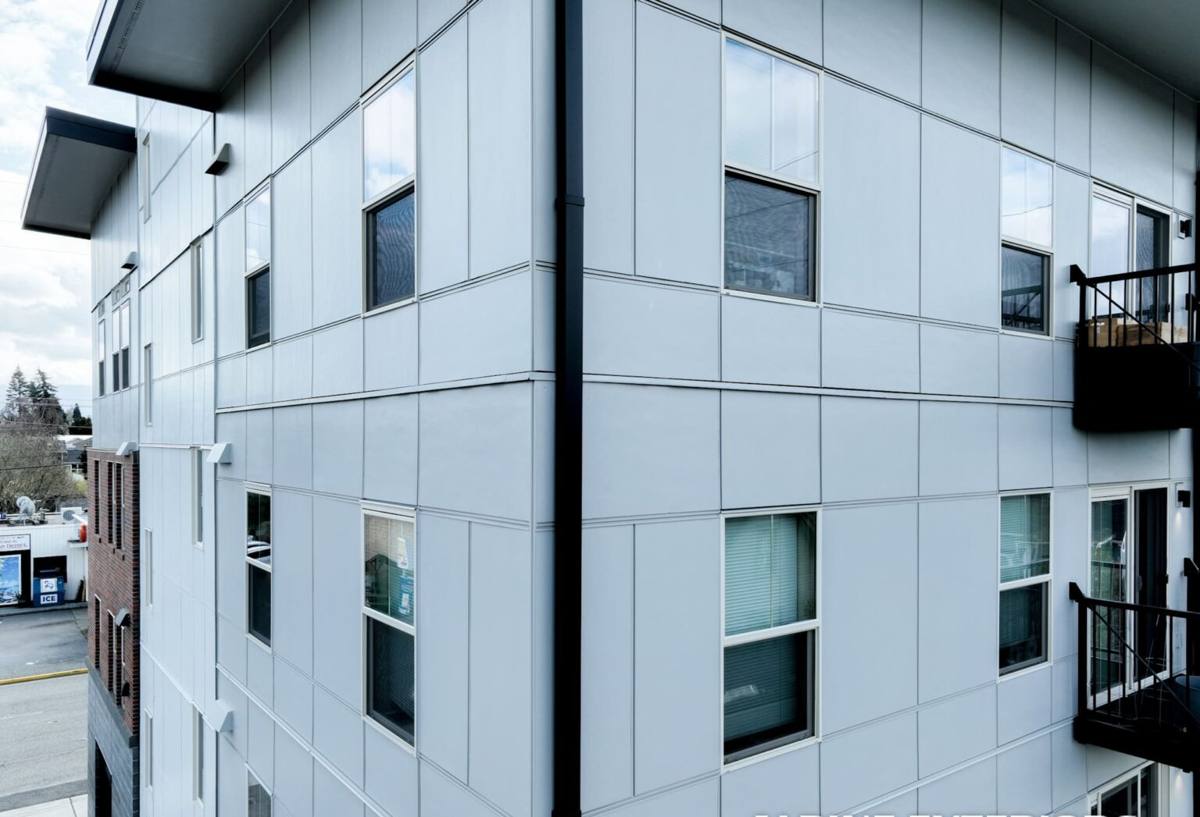
What Whatcom County's Climate Does to Windows Over Time
Most window failures we see in this area aren't from bad glass — they're from water management that was never right in the first place. A few things stack up against windows here:
- Driving rain: Wind-driven rain pushes water sideways against the wall, not just straight down, which means flashing and sealant details matter more than in calmer climates.
- Long wet season: Whatcom County stays damp for months at a stretch, giving any small gap or failed seal plenty of time to do damage before anyone notices.
- Moss and algae: Shaded exteriors and north walls stay damp longer, and moss growth around trim and sills traps moisture against wood and paint.
- Marine air: Salt-tinged air moving inland off the Sound accelerates corrosion on older aluminum frames and hardware.
- Temperature swings: Cold, damp mornings followed by warmer afternoons drive condensation on interior glass, especially with older single-pane or failed double-pane units.
None of this means Everson homes need anything exotic — it means the installation details that get skipped in easier climates can't be skipped here.
Signs an Everson Home Needs New Windows
Homeowners usually call us for one of a handful of reasons. If more than a couple of these sound familiar, it's worth having someone look:
- Fogging or a milky haze between the panes (the seal has failed and the gas fill is gone)
- Cold drafts near the frame even when the window is fully latched
- Soft, dark, or crumbling wood at the sill or lower corners
- Moss, algae, or black streaking on the trim or sash that keeps coming back
- Windows that stick, won't stay open, or are hard to lock
- Condensation forming on the inside of the glass most mornings
- A noticeable jump in heating costs with no other explanation
- Visible daylight or gaps around the frame from outside
Repair vs. Replace
Not every symptom means full replacement. A single failed seal on an otherwise sound frame can sometimes be addressed without pulling the whole unit. But once you're seeing rot in the framing, persistent water staining below a window, or multiple units failing around the same time, that's usually a sign the original installation's water management wasn't right — and patching around that problem instead of correcting it just delays the same repair.
What a Correct Window Installation Actually Involves
A window installation is really a water-management project with glass in the middle of it. The window itself is often the easy part — the flashing, sealing, and integration with the wall assembly around it is where installations succeed or fail over time.
Removing the Old Window the Right Way
We take the old unit out carefully and inspect the rough opening before anything new goes in. This is the point where hidden rot, soft sheathing, or old flashing failures show up — and it's much cheaper to deal with them now than to bury them under a new window and find out in five years.
Flashing and Water Management
This is the step that matters most in a climate like ours. Proper flashing directs any water that gets past the exterior cladding back out, rather than letting it sit against the framing. That means sill pan flashing, correctly lapped house wrap or building paper, and head flashing that sheds water down and away — installed in the right order so nothing is working against gravity.
Setting, Shimming, and Sealing
The window needs to be plumb, level, and square before it's fastened — an out-of-square frame puts stress on the sash and hardware and can cause it to bind or leak prematurely. Gaps around the frame get insulated (not just caulked shut, which can trap moisture) so the assembly can still manage any incidental water.
Exterior and Interior Finish
Exterior trim, caulking, and paint or stain details are finished to shed water and match the home. Inside, casing and sill are reset or replaced so the finished opening looks intentional, not patched.
Window Materials and What Works in Everson
Material choice matters more here than in a dry climate, because whatever you pick has to handle sustained moisture exposure and, in some cases, salt-tinged air. Here's how the common options generally compare for this region:
| Material | Moisture Performance | Maintenance | Typical Lifespan |
|---|---|---|---|
| Vinyl | Handles damp climates well; won't rot or corrode | Low — occasional cleaning | 20–30+ years |
| Fiberglass | Excellent; very stable in wet/cold cycles | Low | 30+ years |
| Wood (clad exterior) | Good if the exterior cladding stays intact; interior wood still needs protection | Moderate — watch cladding seams and interior finish | 20–30 years with upkeep |
| Aluminum | Prone to pitting/corrosion in marine air over time | Moderate to high | Varies widely with coating quality |
Our standard recommendation for most Everson homes is vinyl or fiberglass, simply because they don't give moisture or salt air anything to work with. Wood-clad windows can still be a good fit for homes where the look matters and the owner is comfortable with a bit more upkeep on caulking and cladding seams — we're honest about that trade-off up front rather than after the sale.
Our Installation Process
- On-site assessment: We measure existing openings, check the condition of framing and existing flashing, and talk through what you actually need — energy performance, noise reduction, style, or all three.
- Written estimate: A clear breakdown of window units, installation method, and any framing or flashing repairs the assessment turned up.
- Removal and opening inspection: Old units come out; we check the rough opening for hidden rot or water damage before proceeding.
- Flashing and moisture barrier work: Sill pan, jamb, and head flashing installed in the correct order and integrated with the existing wall assembly.
- Setting the window: Plumb, level, square, shimmed, and insulated around the frame.
- Exterior and interior finish: Trim, caulking, and paint/stain matched to the home; interior casing reset.
- Final walkthrough: We check operation, locks, and seals with you before calling the job done.
What Drives the Cost of Window Installation in Everson
We won't quote a number without seeing the openings, but these are the factors that move the price up or down on most jobs:
| Factor | Why It Matters |
|---|---|
| Full-frame vs. insert (pocket) replacement | Full-frame lets us fully redo flashing and check for rot — usually the right call in this climate — and costs more than a simple insert into a sound existing frame |
| Number and size of windows | Larger openings and whole-house projects have per-unit efficiencies but higher total cost |
| Hidden framing or water damage | Rot found once the old window is out adds material and labor to repair before the new unit can go in |
| Glass package | Double-pane, low-E coatings, and gas fills add cost but pay back in comfort and energy use over time |
| Access | Second-story or hard-to-reach windows take longer and may need staging or lift equipment |
| Trim and siding tie-in | Matching existing trim profiles or repairing siding around the opening adds finish work |
Why Hire a Crew That Already Works Windows and Siding in This Area
Window installation and siding work overlap more than people expect — the flashing at a window opening has to work with whatever's happening in the wall around it, whether that's fiber cement, vinyl, or wood siding. A crew that only does windows, without regularly working alongside siding and trim in this exact climate, can get the window right and still leave a gap in how it ties into the wall. We work on both, which means the water management at your window openings gets the same attention as the rest of the exterior — not treated as a separate, disconnected trade.
We're also familiar with what shows up consistently in Whatcom County homes — moss buildup patterns on north- and west-facing walls, where driving rain tends to find weak points, and how older single-pane or early-generation double-pane windows in this area typically fail. That local pattern recognition speeds up the assessment and helps us catch problems before they're buried behind new trim.
Getting Started
If your windows are drafty, fogged, hard to operate, or just showing their age, we're glad to come take a look and give you a straightforward, no-pressure estimate — what we'd recommend, why, and what it would cost. Use the form below to get in touch and we'll set up a time to walk the property with you.