 Lynden
 Why Window Installation Works Differently Near the Water
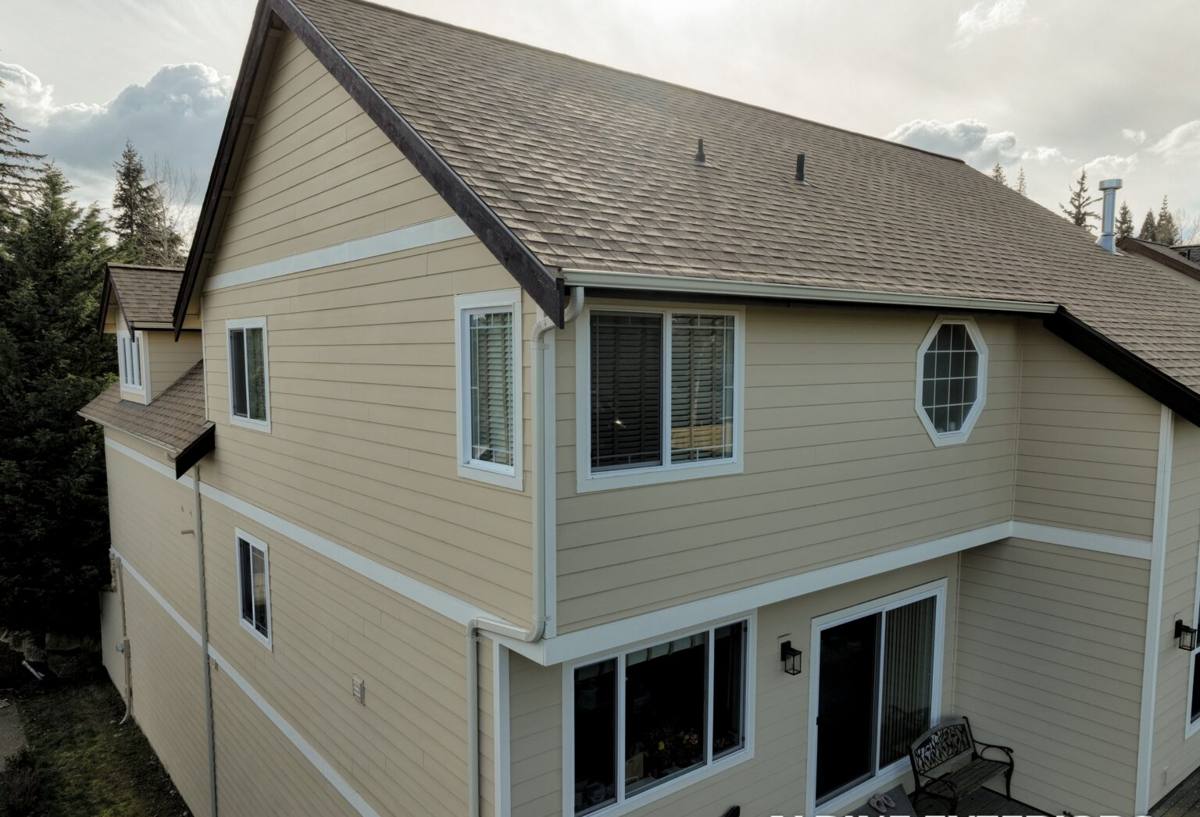
Ferndale sits close enough to Bellingham Bay and the Salish Sea that homes here take a different kind of weather beating than houses ten or fifteen miles inland. A window that's installed correctly in a dry, sheltered spot can fail years earlier on a lot exposed to salt-laden air, driving rain off the water, and the long damp stretch of moss season that Whatcom County is known for. None of that means Ferndale homes need exotic products. It means the installation details — flashing, sealants, drainage — have to be done right the first time, because this climate finds every shortcut eventually.
Salt Air and Coastal Exposure
Homes closer to the water deal with airborne salt that settles on siding, trim, and window hardware. Over time it accelerates corrosion on lower-grade fasteners, hinges, and locking hardware, and it can dull or pit certain metal finishes faster than a manufacturer's warranty assumes. This is why hardware choice and fastener quality matter more here than they would forty miles inland.
Driving Rain and Wind-Driven Moisture
Pacific storms don't just drop rain straight down — they push it sideways into wall assemblies, especially on exposed elevations. A window opening is one of the most common places for wind-driven rain to find a gap in the building envelope. If the flashing sequence isn't layered correctly, water gets behind the siding and into the framing long before anyone sees a stain on the wall.
A Long, Damp Moss Season
Whatcom County's moss season stretches over much of the year, and it's not just a roof problem. Moss and algae collect in window sills, tracks, and the bottom corners of frames wherever moisture lingers. Left alone, that constant dampness breaks down caulk lines faster, holds moisture against wood trim, and creates the kind of slow, hidden rot that's expensive to fix once it reaches the framing.
What a Correct Window Installation Actually Involves
A window install is easy to do halfway — the unit goes in, it looks fine, and the problems don't show up for a year or two. Doing it right means paying attention to the parts nobody sees once the trim goes back on.
Flashing and the Weather-Resistant Barrier
The window has to be integrated into the home's weather-resistant barrier (WRB) in the correct shingle-lap order — meaning water that gets past the exterior seal is directed out and down, never trapped behind the siding. This is the single most common place we find corners cut on older installs, and it's the detail that matters most in a climate with this much wind-driven rain.
Sill Pans and Drainage
A sill pan under the window opening gives any water that does get through a way out instead of a place to sit. On a coastal-exposed home, we treat a sill pan as standard practice, not an upgrade — it's cheap insurance against the slow rot that comes from a sill that stays damp.
Insulation and Air Sealing
The gap between the window frame and the rough opening needs to be filled with a low-expansion foam or properly packed insulation — never over-packed, which can bow the frame and cause the sash to bind. Done right, this step is what actually stops drafts; a lot of the "leaky window" complaints we hear are really an air-sealing problem, not a product problem.
Fasteners and Sealants Suited to Coastal Air
We use fasteners and exterior sealants rated for the moisture and salt exposure this area sees, and we pick sealant chemistry that stays flexible through temperature swings instead of cracking after a couple of winters. A sealant that fails in year three undoes everything else done correctly.
Choosing a Window Material for a Ferndale Home
There's no single "right" window material — it depends on budget, how exposed the home is, and how much upkeep an owner wants to take on. Here's how the common options compare for a home dealing with salt air, rain, and moss:
| Material | Moisture / Salt-Air Resistance | Maintenance | Notes |
|---|---|---|---|
| Vinyl | Good — won't rot or corrode | Low | Most common choice for coastal PNW homes; budget-friendly and stable in this climate |
| Fiberglass | Very good — dimensionally stable in wet/dry cycling | Low | Higher upfront cost, holds paint well if a custom color is wanted |
| Wood, clad exterior | Fair — exterior clad protects the wood, but any breach exposes it | Moderate to high | Best suited to sheltered elevations, not the side that takes direct weather |
| Aluminum | Fair — prone to condensation and corrosion near salt air without a thermal break | Moderate | Less common for residential work in this climate for that reason |
For most Ferndale homes, we lean toward vinyl or fiberglass because they hold up to salt air and repeated wet-dry cycling without the ongoing maintenance that wood-framed units demand. Where a home has a genuine architectural reason for wood windows, we'll say so honestly — but we'll also be upfront about the maintenance commitment that comes with it on an exposed elevation.
Energy Performance in a Mild, Damp Climate
Whatcom County doesn't see the temperature extremes that drive window shopping in other parts of the country, but the persistent overcast and damp air change what "efficient" actually means here. A window's U-factor (how well it resists heat transfer) matters more than its Solar Heat Gain Coefficient in a climate that's short on direct sun. Low-E coatings and argon gas fills help with both comfort and condensation resistance — which is arguably more relevant here than raw insulation value, since fogged-up or perpetually damp interior glass is a common complaint in coastal Whatcom County homes.
Double-pane windows with a good low-E coating are sufficient for the vast majority of homes in this area. Triple-pane adds cost and weight without a proportional benefit unless a home has an unusually exposed, cold, or noisy location — we'll tell you plainly if we don't think it's worth the upcharge for your situation.
Signs Your Current Windows Are Already Losing the Battle
Because moisture damage in this climate tends to happen slowly and out of sight, it helps to know what to look for before a small problem becomes a framing repair. Walk your exterior and interior sills and check for:
- Fogging or a persistent haze between the panes — a sign the seal has failed and the insulating gas has escaped
- Soft, spongy, or discolored wood on the sill or trim
- Paint that's peeling or bubbling specifically around the window frame, even if the rest of the siding looks fine
- Moss, algae, or green-black staining collecting in the corners or along the bottom of the frame
- Windows that are hard to open, close, or lock, or that don't sit flush anymore
- A noticeable draft or cold spot near the frame on a windy day
- A musty smell near the window that isn't explained by anything else in the room
How We Approach an Installation
The steps don't change much house to house, but the care taken at each one is what separates a window that lasts twenty-plus years from one that starts leaking in five.
- Assess the opening, take precise measurements, and check the condition of the existing flashing and sheathing before ordering anything
- Remove the old window carefully to avoid unnecessary damage to surrounding siding and trim
- Inspect the rough opening for hidden rot or moisture damage and repair it before anything new goes in — this is non-negotiable, since installing a new window over a compromised opening just hides the problem
- Install a sill pan and integrate new flashing with the home's weather-resistant barrier in the correct layered order
- Set the window level, plumb, and square, shimming correctly so the frame isn't stressed
- Fill the gap around the frame with appropriate insulation without over-packing it
- Seal the exterior per manufacturer specifications using sealant rated for this climate's moisture and salt exposure
- Finish interior trim and confirm the sash operates smoothly
- Do a final water-management and operation check, then clean up the site
What Drives the Cost
Every home is different, but the same handful of factors explain most of the price variation we see between jobs:
| Factor | Why It Affects Price |
|---|---|
| Number and size of openings | More or larger windows mean more material and labor |
| Retrofit vs. full-frame replacement | Full-frame work exposes and repairs the rough opening, which takes longer but is often necessary when there's existing moisture damage |
| Material selected | Vinyl, fiberglass, and clad-wood units carry different price points |
| Accessibility | Second-story windows, tight side yards, or dense landscaping add labor time |
| Trim or siding repair needed | Rot found during removal has to be fixed before the new window goes in |
| Disposal and haul-away | Old windows and debris need to be removed responsibly |
We'll walk through which of these apply to your home during the estimate, so there aren't surprises once the work starts.
Why It Matters to Hire a Crew That Already Works Ferndale and Lynden
A lot of window problems in this area trace back to an install that would have been fine somewhere drier. A crew that already works Whatcom County knows which elevations on a typical Ferndale or Lynden home take the worst of the wind-driven rain, plans installs around weather windows so a wall isn't left open during a storm system, and understands how window flashing needs to tie into the siding's own drainage plane — not just the window opening in isolation. That last point matters more than it sounds: a window installed perfectly on its own can still leak if it isn't integrated correctly with the siding around it. Since we work on both, we treat the window and the surrounding wall as one system rather than two separate jobs.
Local crews are also familiar with the permitting expectations in Ferndale and unincorporated Whatcom County, which keeps the paperwork side of a replacement project from becoming its own headache.
Keeping New Windows Performing for the Long Haul
A correct installation does most of the work, but a little seasonal attention extends the life of any window in this climate:
- Rinse salt residue and grime off exterior frames a few times a year, especially on elevations facing open water
- Keep weep holes clear of dirt, pollen, and moss so water can drain the way it's designed to
- Inspect exterior caulking annually, particularly after the first winter, and touch up any spots that have started to pull away
- Keep moss and vegetation from building up against sills and lower trim
- Watch for any new stiffness in operation or gaps around the frame, which can signal minor settling worth checking early
If you're weighing whether it's time to replace a window or two, or you're planning a fuller update, we're happy to take a look and give you a straight answer. Reach out for a free, no-pressure estimate using the form below.