 Lynden
 Window Installation for Kendall Homes
Kendall sits out in the rural stretch of Whatcom County east of Lynden, where homes tend to be older farmhouses, manufactured homes on acreage, and a growing number of newer builds tucked into the tree line toward the foothills. Window installation out here isn't the same job as it is downtown. Lots are bigger, tree cover is heavier, and a lot of houses have gone decades between window replacements. When we get a call from Kendall, we're usually looking at either failed original single-pane wood windows from an older farmhouse, or vinyl windows from the 90s or early 2000s that have finally fogged up and quit sealing.
Whatcom County's climate is the real driver behind why window installation needs to be done a specific way here, not just any way that gets a window into a hole. We get long stretches of driving rain off the Pacific, salt-tinged air pushing in from Bellingham Bay and the Strait of Georgia, and a moss season that can run eight or nine months out of the year on shaded, tree-covered lots — which describes a lot of Kendall properties. Every one of those factors puts stress on the window opening itself, not just the glass.
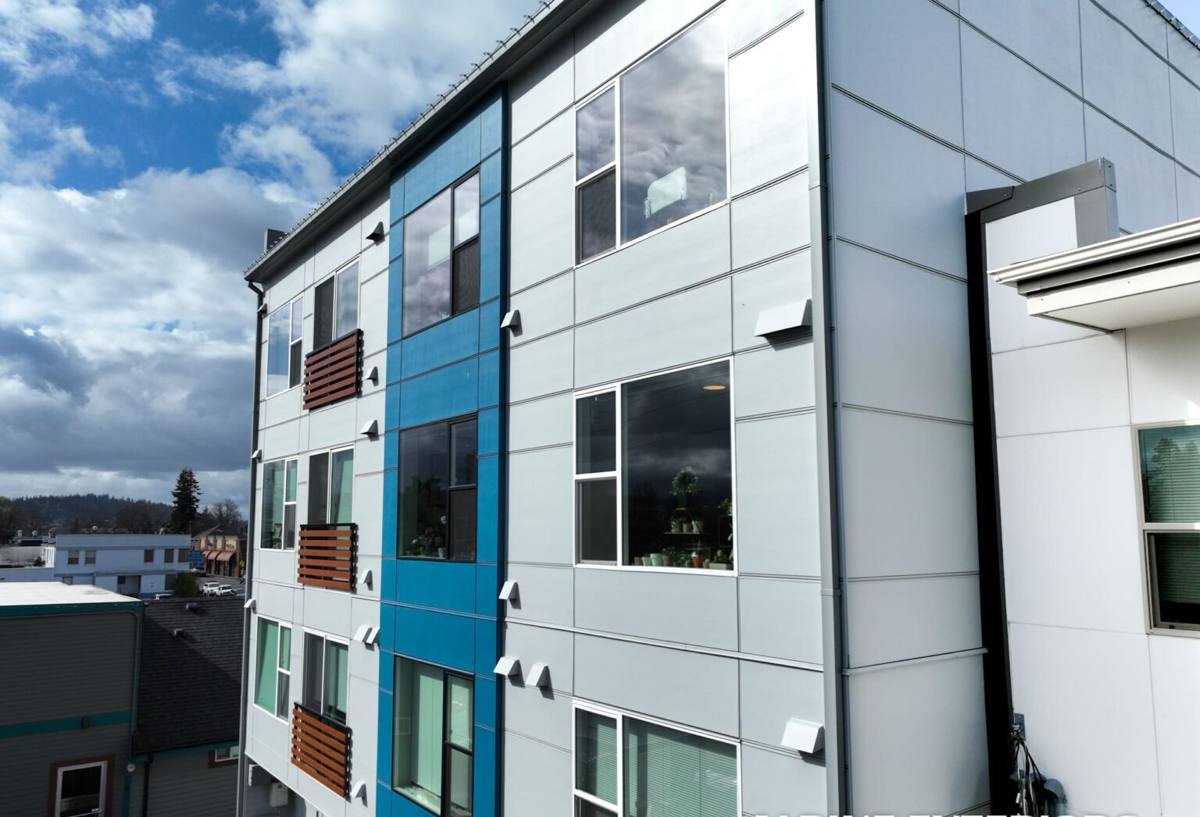
What Kendall's Climate Actually Does to a Window Opening
Driving rain and wind-driven moisture
Storms coming off the water don't just fall straight down — wind pushes rain sideways into the wall, and it finds any gap around a window frame that isn't properly flashed. On a lot of the older Kendall homes we've worked on, the original window openings were never flashed to modern standards, because the building codes and materials from decades ago simply didn't call for it. Water gets behind the siding, behind the window flange, and sits in the wall cavity where nobody sees it until there's soft trim, a stained ceiling below a window, or rot in the sill.
Salt air and hardware corrosion
Kendall isn't right on the water, but Whatcom County as a whole sits close enough to Puget Sound and the Strait that salt-laden air travels inland, especially during the windier fall and winter months. Salt air is hard on exposed metal — window hardware, screws, flashing tape adhesive, and any unprotected fasteners corrode faster here than in a dry inland climate. We account for that in the materials we choose, not just the window unit itself.
Moss and shade
A lot of Kendall lots have mature trees or sit at the edge of forested land, which means shaded north and east-facing walls stay damp far longer after a rain than a wall that gets afternoon sun. That damp, shaded condition is exactly what moss and mildew need to take hold on trim, sills, and siding around a window opening. If moisture is already getting trapped there because of poor flashing, moss growth is often the first visible sign something is wrong underneath.
What a Correct Window Installation Involves
A window installation is really a small waterproofing project with a window in the middle of it. The window itself is usually the easy part — most quality units on the market today perform well. Where installations succeed or fail is in the opening prep, the flashing sequence, and the sealing details that never get seen again once trim goes back on.
- Remove the old unit carefully. On older Kendall homes this often reveals the true condition of the framing — something you can't know until the window is out.
- Inspect and repair the rough opening. Any soft, rotted, or water-stained framing gets cut out and replaced before a new window goes anywhere near the hole.
- Install a sloped sill pan. This is non-negotiable in a climate like ours — any water that gets past the window has to have somewhere to drain back out, not pool on the sill.
- Flash in the correct shingle-lap order. Sill pan first, then side flashing, then the window, then head flashing last, so every layer sheds water down and out over the layer below it — never trapping moisture behind.
- Set the window level, plumb, and square. A window that's slightly racked will bind, leak at the corners, or wear out its weatherstripping years early.
- Insulate the gap correctly. Low-expansion foam or backer rod and sealant around the frame — never packed so tight it bows the frame in.
- Seal and trim. Exterior sealant beads at the right joints, interior trim reinstalled or replaced, and everything checked for square operation before we leave.
Choosing the Right Window for a Kendall Property
Not every home needs the same window. Older Kendall farmhouses with a lot of original trim detail often do best with a replacement window that fits the existing opening without major carpentry, preserving the look of the house. Newer builds or full remodels sometimes call for a new-construction window with a nailing flange, which lets us flash it into the wall assembly from scratch — the more thorough approach when the siding is coming off anyway.
Frame material trade-offs
| Material | How it handles our climate | Maintenance |
|---|---|---|
| Vinyl | Good moisture resistance, doesn't rot or corrode; can expand/contract with temperature swings | Low — occasional cleaning |
| Fiberglass | Very stable in wet, variable weather; holds paint well if color changes are wanted later | Low |
| Wood (clad exterior) | Attractive, matches historic character; exterior cladding protects the wood from our rain if detailed correctly | Moderate — interior wood, exterior cladding needs inspection |
| Aluminum | We generally steer clients away from bare aluminum frames here — it conducts cold and is more prone to condensation and corrosion in salt-influenced air | Higher — condensation and corrosion checks |
Glass packages matter too. Double-pane with a low-E coating and argon fill is the baseline we recommend for this area — it cuts down on the condensation that shows up on cold, damp Whatcom County mornings and helps with energy costs through our long, wet winters.
Signs a Kendall Homeowner Should Get Windows Looked At
- Fogging or a hazy film between the panes — the seal has failed and the insulating gas is gone
- Soft or discolored trim or sill wood around the window frame
- Moss or dark streaking building up on the trim or siding just below a window
- Drafts you can feel with a hand near the frame on a windy day
- Windows that are hard to open, close, or lock — often a sign the frame has shifted or swollen
- Visible daylight or gaps around the frame from outside
- A musty smell in the room, which can point to trapped moisture in the wall below the window
Why a Local Crew Matters for a Job Like This
Window installation done wrong doesn't usually announce itself right away — it shows up two or three winters later as rot, mold, or a soft spot in the wall. A crew that already works Kendall regularly has seen how the specific combination of tree cover, driving rain direction, and older home construction in this part of Whatcom County plays out over time. We're not guessing at flashing details based on a manufacturer's install sheet written for a dry climate somewhere else — we're building in the extra drainage and sealing margin this area actually needs.
There's also a practical side to being local: we know what a typical Kendall rough opening looks like on a farmhouse built decades ago versus a newer build, we're not learning the quirks of septic-served rural properties or long gravel driveways for the first time, and we can get back out quickly if something needs a follow-up look after the next storm season.
Our Process for a Kendall Window Job
- On-site assessment. We look at the existing windows, the framing condition where visible, and any signs of past water intrusion before quoting anything.
- Straightforward proposal. What windows we recommend and why, what the flashing and sealing plan looks like, and a clear scope — no vague line items.
- Careful removal and opening prep. Including repair of any hidden damage found once the old window is out.
- Correct flashing and installation using the sequence described above, suited to this area's wind-driven rain.
- Final check. Operation, seal, and trim are inspected before we consider the job finished.
What This Typically Costs
Pricing depends on window size, frame material, whether it's a like-for-like replacement or a new-construction install requiring more carpentry, and how much hidden repair the opening needs once we get into it. Homes with older, unflashed openings or rot from long-term water intrusion take more labor to do right than a straightforward swap. We'd rather give you an honest number after seeing the actual windows and openings than a rough estimate that doesn't hold up once the old window comes out.
If you're in Kendall and dealing with drafty, foggy, or failing windows, we're happy to come take a look. The estimate is free, there's no pressure, and you'll get a straight answer about what your home actually needs — just fill out the form below to get started.