 Lynden
 Custom Windows Built for Laurel's Climate
Homes in the Laurel area near Lynden sit close enough to Puget Sound air and Whatcom County's marine weather pattern that windows here take a different kind of beating than windows in a drier inland climate. Driving rain comes sideways off frequent storm systems, salt-tinged moisture works into anything metal, and the long gray stretch from fall through spring keeps north and shaded walls damp enough to grow moss and mildew on sills and trim. A window that was installed correctly for a dry climate can still fail here within a few years if it wasn't detailed for this specific mix of wind-driven rain and sustained moisture.
Custom windows for Laurel homes means more than picking a size and style off a shelf. It means selecting frame materials, glazing, and flashing details that are matched to how water actually moves around this house, on this lot, in this weather — and installing them by a crew that has already learned what works and what doesn't in this part of Whatcom County.
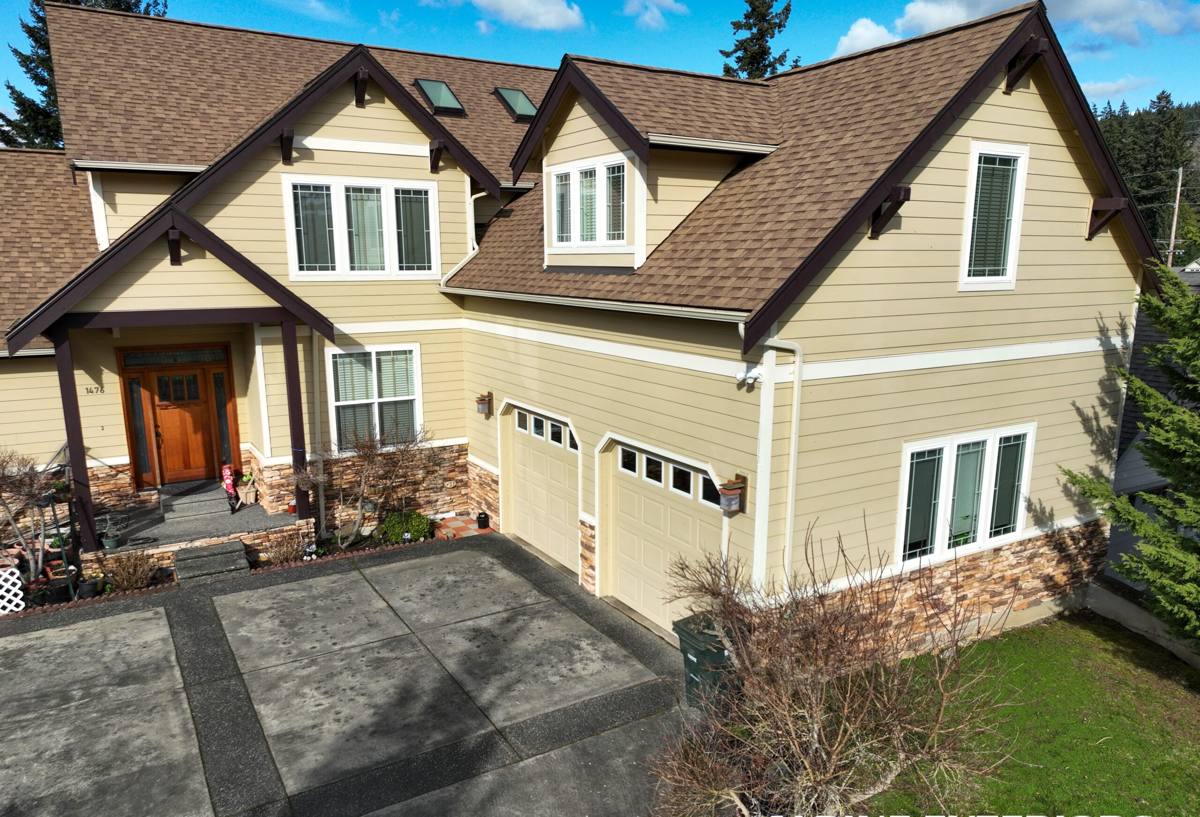
What "Custom" Actually Means Here
Custom windows aren't automatically more expensive or more elaborate than standard units. The term describes windows built to the exact rough opening, wall assembly, and performance needs of your specific house, rather than the closest available stock size. For older Laurel-area homes with settled openings, non-standard dimensions, or additions that were framed a little differently than the original structure, custom sizing is often the only way to get a window that seals properly without shimming, gapping, or forcing trim to hide a bad fit.
When Custom Sizing Matters Most
- Farmhouse-style and older platted homes with openings that were never perfectly square to begin with
- Additions or remodeled rooms where the wall assembly doesn't match the rest of the house
- Bay, garden, or picture window replacements where the original opening was purpose-built
- Any wall that has already shown water staining, soft trim, or a musty smell near the window
- Homes where you're upgrading from single-pane or early double-pane units and want modern flashing details, not just new glass in an old frame
The Local Climate Factors That Drive the Spec
Driving Rain and Wind-Loaded Walls
Lynden and the surrounding Whatcom County lowlands get a steady flow of Pacific storm systems, and wind-driven rain doesn't fall straight down — it pushes horizontally into wall assemblies and finds any gap in the flashing. A correctly detailed window uses a sloped sill pan, properly lapped house wrap, and flashing tape sequenced so water sheds outward at every layer, never inward. This is the single most common point of failure we see on older installs in this area: a window that looks fine but was never flashed to handle sideways rain, only water dripping straight down.
Salt Air and Metal Fatigue
Proximity to Puget Sound means airborne salt reaches further inland than most homeowners expect, especially during winter storm winds. Salt-laden moisture accelerates corrosion on unprotected aluminum, steel fasteners, and lower-grade hardware. For Laurel-area homes, we favor frame materials and hardware finishes that are rated for coastal-adjacent exposure rather than standard interior-grade components, and we avoid mixing metals in ways that set up galvanic corrosion at the frame.
Moss Season and Sustained Dampness
Whatcom County's moss season isn't just a roofing issue. Shaded exterior walls, north-facing elevations, and anywhere tree cover keeps a wall from drying out between rain events are prone to moss and algae growth on sills, trim, and cladding. Once organic growth gets a foothold at a window's lower edge, it holds moisture against the frame and trim far longer than bare wood or vinyl would on its own. Correct sill design — with a clean slope, drip edge, and durable finish — keeps water moving off the window instead of collecting where moss can take hold.
Choosing the Right Frame Material for This Area
| Frame Material | Moisture Performance | Maintenance | Best Fit |
|---|---|---|---|
| Vinyl | Good; won't rot or corrode, but seals depend on quality of installation | Low — occasional cleaning | Most Laurel-area homes prioritizing value and low upkeep |
| Fiberglass | Excellent; very stable in wet, temperature-swinging conditions | Low | Homes wanting a longer-term frame with minimal expansion/contraction |
| Wood (clad exterior) | Good on the exterior face, but interior wood is vulnerable if any seal fails | Moderate to high depending on exposure | Homeowners wanting a traditional wood interior with protected exterior |
| Bare aluminum | Poor in salt-influenced air without upgraded coatings | High | Not our default recommendation for this area |
We don't rule out aluminum outright, but for homes in the Laurel area we typically steer clients toward vinyl, fiberglass, or clad-wood options because they hold up better against the combination of salt air and sustained dampness without the added maintenance burden bare aluminum requires here.
Glazing and Sealing Details That Matter
Glass selection affects comfort and energy performance, but in this climate the sealing details around the glass matter just as much as the glazing package itself. A dual-pane, low-E unit with a warm-edge spacer resists condensation better on cold, damp mornings — a real issue in unheated rooms during Whatcom County's long wet season. Beyond the glass:
- Multi-point locking hardware keeps the sash compressed evenly against weatherstripping, which matters more here than in calmer climates because wind pressure works gaps open over time
- Continuous weatherstripping (not just corner-taped foam) resists the constant flex from wind-loaded walls
- Sill pans and end dams are non-negotiable on any window facing prevailing weather, replacement or new construction
- Exterior sealant should be a flexible, UV-stable product rated for sustained wet exposure, not a general-purpose caulk that hardens and cracks within a couple of seasons
Our Installation Process for Laurel-Area Homes
1. On-Site Assessment
We start by inspecting the existing opening, sheathing, and any signs of past water intrusion — staining, soft wood, or failed caulk lines are all clues about how water has been moving around that specific window. This tells us whether the issue is the window itself or the wall assembly around it.
2. Custom Measurement and Ordering
We measure the actual opening, not an assumed standard size, and account for any out-of-square condition common in older framing. Frame material, glazing package, and hardware finish are selected based on the wall's sun/shade exposure and how exposed it is to prevailing wind and rain.
3. Removal and Opening Prep
Old units are removed carefully to protect surrounding siding and trim. We check sheathing condition before the new window goes in — installing a new window over compromised sheathing just locks a moisture problem behind new trim.
4. Flashing and Sill Pan Installation
This is where most of the long-term performance is decided. We install a sloped sill pan, back dam, and properly sequenced flashing tape so every layer sheds water outward and down, lapped correctly with the house wrap above and below.
5. Setting, Shimming, and Sealing
The window is shimmed square and level, fastened per manufacturer spec, and insulated around the frame without over-packing (which can bow the frame and cause it to bind). Exterior sealant goes down last, in the right joints only — sealing every possible gap can actually trap water that should be able to drain.
6. Final Check and Cleanup
We test operation, locking hardware, and drainage before calling the job done, and walk the site to make sure trim and cladding are reinstalled cleanly.
Why Hiring a Crew That Already Works in Laurel Matters
A contractor who regularly works homes in and around Laurel and greater Lynden already knows which elevations catch the worst of the wind-driven rain, how far salt-influenced moisture typically reaches inland in this pocket of Whatcom County, and which older home styles in the area tend to have out-of-square openings or dated flashing details. That local pattern recognition shortens the assessment phase and reduces the odds of a callback for a problem that a generic installer wouldn't have anticipated. It also means we're not learning the area's quirks on your project — we're applying what we've already confirmed works here.
Signs Your Current Windows Need Attention
- Visible moss, algae, or black staining building up on the sill or lower trim
- Fogging or moisture between panes, indicating a failed seal
- Soft or spongy wood trim around the frame
- Drafts or cold spots near the window even when it's fully closed
- Difficulty locking or operating the sash smoothly
- Paint or finish bubbling or peeling near the lower frame corners
Any one of these can be an early sign that water is getting past the seal rather than shedding off the surface — worth a look before the damage spreads into the wall framing.
Get a Local, No-Pressure Estimate
If you're weighing a window replacement or planning new construction in the Laurel area, we're happy to take a look, walk you through what your specific walls and exposure call for, and give you a straightforward estimate — no pressure, no upsell. Use the form below to get started.