 Lynden
 Siding Installation for Nooksack Homes
Nooksack sits in the part of Whatcom County where marine air off the Salish Sea meets the moisture pushed inland by the Nooksack River valley and the foothills of the Cascades. That combination means siding here works harder than siding almost anywhere else in the state. Salt-tinged air, driving horizontal rain, and a moss season that can run eight months a year all chip away at exterior materials that weren't built, or weren't installed, to handle it. A siding installation in Nooksack isn't just a cosmetic upgrade — it's a decision about how well your home's envelope will hold up over the next 20 or 30 winters.
This page focuses specifically on siding installation as a service for homes in and around Nooksack. We'll walk through what the local climate demands, what a correct installation actually involves, how our process works from first estimate to final inspection, and why hiring a crew that already works this area beats hiring someone unfamiliar with it.
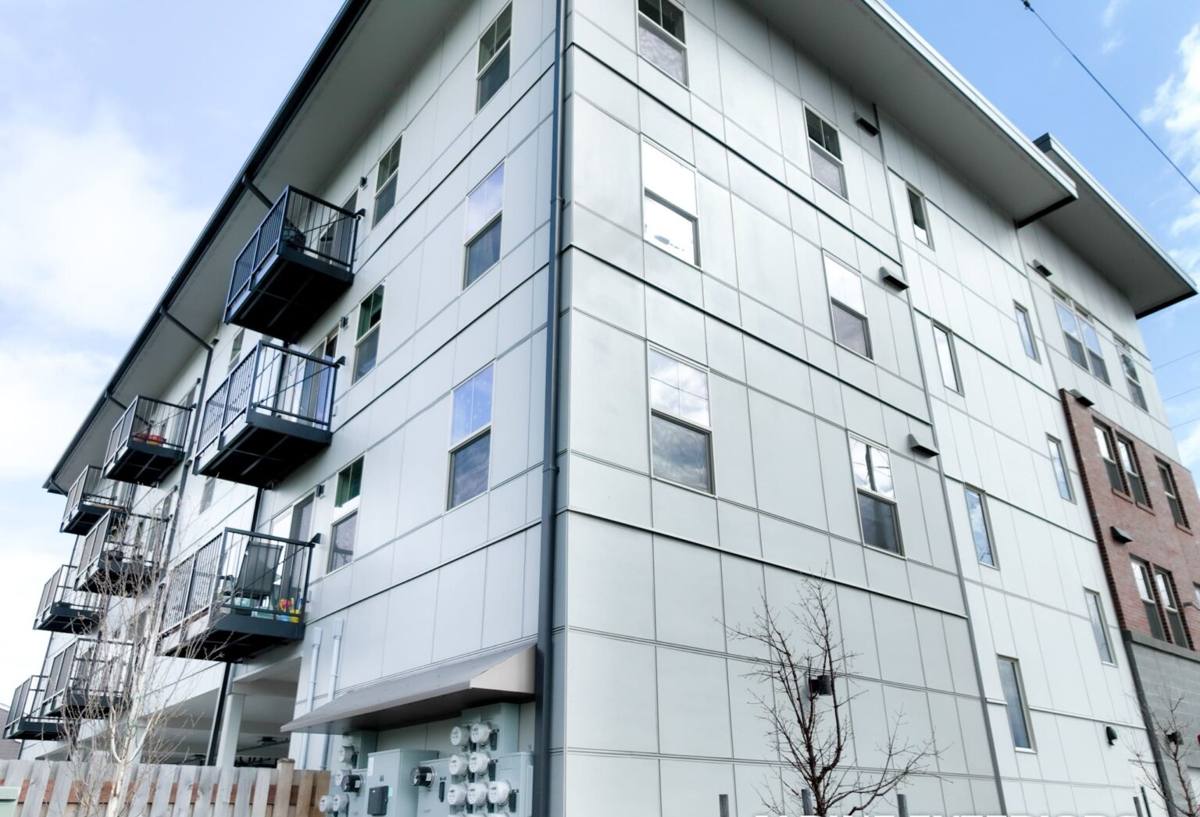
The Climate Nooksack Siding Has to Survive
Whatcom County homeowners tend to underestimate how much the local climate shortens the life of the wrong siding product. A few specific stressors matter more here than they do in drier parts of the state:
- Driving rain: Storms moving through the valley often push rain sideways against west- and south-facing walls, forcing water into seams, laps, and fastener penetrations that would stay dry in a calmer climate.
- Salt-tinged air: Proximity to the Salish Sea means airborne salt and moisture accelerate corrosion on fasteners, trim, and any metal flashing that isn't rated for it.
- Extended moss and mildew season: Cool, damp shade under mature trees and along north walls keeps surfaces wet for long stretches, which is exactly the environment moss, algae, and mildew need to take hold.
- Freeze-thaw cycling: Winter temperatures dip below freezing often enough that any siding holding moisture will expand and contract repeatedly, stressing seams and paint film.
None of these conditions are unusual for this part of Whatcom County — they're the baseline. Siding that's marginal in a milder climate tends to fail faster here, which is why product choice and installation quality both matter more in Nooksack than they would in a drier region.
Why We Install Only James Hardie Fiber Cement
We install one siding product on every home we work on: James Hardie fiber cement, in the ColorPlus factory-finished lines engineered for this climate zone (HardieZone HZ5). That's a deliberate standard, not a default. Fiber cement is non-combustible, dimensionally stable, and doesn't absorb and swell with moisture the way wood-based or wood-look products can. It holds paint and factory finish far longer than materials that rely on field-applied coatings, which matters directly here because repainting siding on a two-story wall exposed to driving rain is not a small job.
We don't install vinyl, LP SmartSide, Cemplank, Allura, or primed wood species like spruce or cedar. Each of those products has legitimate uses and reasonable installers elsewhere — this is our professional standard, not a claim that they can't perform anywhere. But in a climate with this much sustained moisture exposure, we've seen the trade-offs (seam performance, moisture sensitivity at cut edges, coating longevity, warranty structure) tip clearly enough in Hardie's favor that we stopped installing anything else. Standardizing on one product also means our crews install it constantly, which is part of why the installation quality stays consistent from house to house.
What a Correct Siding Installation Involves
The siding product is only half the equation. A large share of siding failures we get called out to inspect — regardless of brand — trace back to installation shortcuts, not the material itself. A correct installation in a climate like Nooksack's requires attention at every layer of the wall assembly, not just the visible face.
Water Management Behind the Siding
Before a single course of siding goes up, the wall needs a continuous weather-resistant barrier, properly lapped and taped at seams, with flashing integrated at every window, door, and penetration so water is directed out and down rather than trapped behind the cladding. This is the layer homeowners never see again once siding is installed, and it's the layer that determines whether the wall stays dry for the next few decades.
Clearances and Fastening
James Hardie specifies minimum clearances from grade, roofing, and decking, along with fastener spacing and placement that differ by product line and site exposure (Hardie's HZ5 zone requirements apply directly to Whatcom County). Fasteners driven too close to a panel edge, spaced too far apart, or set at the wrong depth compromise wind and moisture performance even when the siding itself is correct. We also use corrosion-resistant fasteners suited to a marine-influenced climate, since standard fasteners degrade faster with salt-tinged air in the mix.
Caulking and Joint Treatment
Every butt joint, corner, and penetration needs the right sealant, applied correctly, or it becomes an entry point for driving rain. Over-caulking is as much a problem as under-caulking — sealed joints that should allow the material to move can crack the finish or trap moisture instead of shedding it.
Field Cuts and Edge Sealing
Any cut edge on fiber cement siding needs to be sealed per manufacturer specification before installation. Skipping this step is invisible at first and shows up years later as premature wear at every cut end on the house — exactly the kind of shortcut that's cheap to take and expensive to have missed.
Our Installation Process, Step by Step
- On-site assessment: We walk the exterior, check current siding and sheathing condition, note trouble spots (shaded walls, drainage issues, existing moss or moisture staining), and measure for materials.
- Product and color selection: We help you choose the Hardie product line, profile, and ColorPlus finish that fits the home's style and this climate zone.
- Removal and substrate check: Old siding comes off and we inspect the sheathing underneath for rot or damage before anything new goes up — a step that can't be skipped responsibly in a climate this wet.
- Weather barrier and flashing: A continuous, correctly lapped weather-resistant barrier goes on first, with flashing detailed at every window, door, and penetration.
- Installation to spec: Siding is installed to James Hardie's HZ5 fastening, clearance, and joint requirements, with corrosion-resistant fasteners throughout.
- Trim, caulking, and touch-up: Trim is installed, joints sealed appropriately, and any factory-finish touch-up handled per Hardie's guidelines.
- Final walkthrough: We review the finished work with you before calling the job complete.
Choosing a Product Line for a Nooksack Home
James Hardie makes several siding profiles, and the right one depends on your home's style and exposure as much as personal taste. The table below is a general guide, not a substitute for an on-site conversation about your specific house.
| Hardie Product | Typical Look | Good Fit For |
|---|---|---|
| HardiePlank lap siding | Traditional horizontal lap, several profile widths | Most Nooksack homes; the standard choice for classic and farmhouse-style exteriors |
| HardiePanel vertical siding | Board-and-batten, vertical panels | Accent walls, gables, and modern or barn-style homes |
| HardieShingle siding | Staggered or straight-edge shingle profile | Craftsman and cottage-style homes wanting texture without wood shingle maintenance |
| HardieTrim boards | Corner boards, fascia, window and door trim | Pairs with any of the above for a finished, consistent exterior |
What Drives the Cost of a Siding Installation
Every home is different, so we won't quote a number without seeing the house, but these are the factors that most affect cost on a real Nooksack project:
| Factor | Why It Matters |
|---|---|
| Home size and wall complexity | More square footage, corners, and cutouts (windows, dormers) mean more material and labor |
| Substrate condition | Rot or damage found under old siding adds repair work before new siding can go on |
| Story height and access | Two-story walls and steep sites require more scaffolding or lift time |
| Product line and profile | Lap, panel, and shingle profiles carry different material costs |
| Trim and detail work | Custom trim, corner treatments, and accent walls add labor beyond the base siding install |
| Existing moisture damage | Extended moss or mildew exposure sometimes means sheathing repair, not just recladding |
Signs a Nooksack Home Needs New Siding
Because moisture problems in this climate build slowly and often stay hidden behind the siding face, it helps to know what to watch for before a small issue becomes a sheathing repair:
- Persistent moss or algae growth that returns quickly after cleaning, especially on shaded or north-facing walls
- Soft or spongy spots when you press on the siding, particularly near the bottom courses or below windows
- Paint that's peeling, bubbling, or chalking well before you'd expect a repaint
- Visible warping, cupping, or gaps opening up between boards
- Rising heating bills that suggest the wall assembly isn't insulating or sealing the way it used to
- Siding that was installed more than 15-20 years ago and has never been inspected behind the surface
Why a Crew That Already Works in Nooksack Matters
Siding installation quality depends heavily on how well the crew understands the site conditions they're building for. A contractor who works across Whatcom County regularly already knows how driving rain behaves against exposed walls in this valley, how long moss growth takes to become a real moisture problem here, and which details on a house tend to fail first in this climate. That local pattern recognition shows up in small decisions — extra flashing at a vulnerable transition, fastener choice suited to salt-tinged air, or catching a moisture issue during removal before it's covered up again — that a crew unfamiliar with the area might miss entirely.
It also matters for accountability. A local company that plans to keep working in Nooksack and the surrounding Lynden area has every reason to install correctly the first time and stand behind the work, because reputation here travels between neighbors.
Get an Estimate for Your Nooksack Home
If your siding is showing wear, or you're planning ahead for a replacement before winter rains set in, we're happy to take a look and talk through what your home actually needs. The estimate is free and there's no pressure — just a straight assessment and, if it makes sense, a plan for James Hardie siding built for this climate. Use the form below to get started.