 Lynden
 Why Windows Wear Out Differently in Nooksack
Nooksack sits in a part of Whatcom County that takes weather seriously. You've got driving rain off the Pacific systems that roll through most of the fall and winter, salt-tinged air drifting in from Puget Sound and the Strait of Georgia, and a moss season that can stretch from October well into spring on anything with a north or shaded exposure. Add in the cold outflow winds that funnel down out of the Fraser Valley during winter cold snaps, and you've got a climate that's genuinely harder on window frames, seals, and glazing than most manufacturers' warranty testing accounts for.
That combination shows up in specific, predictable ways on older homes around Nooksack: swollen wood sashes that won't latch right, aluminum frames pitted and streaked from years of salt-laden moisture, vinyl that's gone brittle at the weep holes, and glass units that fogged internally years before their "expected" lifespan. None of that is a sign you did anything wrong — it's just what this climate does to a window over fifteen, twenty, thirty years. Replacement done right accounts for all of it, not just the glass.
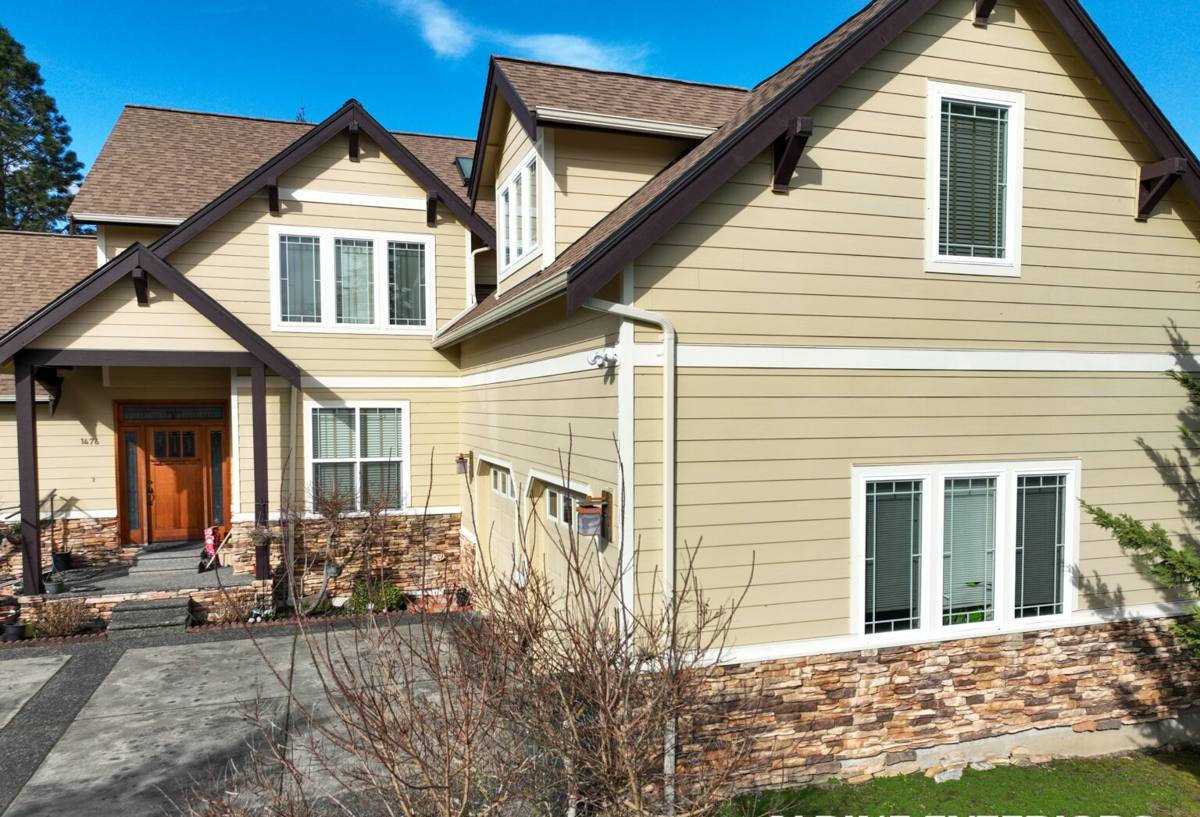
Signs Your Windows Are Ready for Replacement
Most homeowners don't replace windows because they woke up one day and decided to — they replace them because the windows started telling them something. Here's what we look for, and what you should too:
- Fogging or a milky haze between the panes (the seal has failed and the gas fill is gone)
- Visible rot, soft spots, or dark staining in the wood trim or sill
- Windows that are hard to open, won't stay up, or don't latch fully
- Noticeable drafts or cold spots near the frame in winter
- Condensation forming on the inside of the glass regularly, even with normal ventilation
- Moss or dark streaking building up on the frame or sill faster than you can keep it cleaned off
- Corrosion or chalky white buildup on aluminum hardware or frames
- A jump in heating bills that isn't explained by anything else
One or two of these on an older home isn't an emergency. Several at once, or any sign of active rot into the framing, means the window is past the point where caulk and weatherstripping will fix it.
What a Correct Window Replacement Job Actually Involves
Swapping the glass unit itself is the easy part. The work that actually determines whether the new window lasts happens around it.
Flashing and Moisture Management
Given how much driving rain this area sees, wind-driven water finds any gap in the flashing within a few storms. A correct install includes properly lapped flashing tape at the sill and jambs, a sloped sill pan so water sheds outward instead of pooling, and sealant placed so it manages water rather than just hiding a gap. Skipping this step is the single most common reason a "new" window starts rotting the wall around it within a few years.
Air and Vapor Sealing
The gap between the new window unit and the rough opening needs to be sealed and insulated — not just caulked at the trim. Low-expansion foam or backer rod and sealant, applied correctly, stops both drafts and the kind of hidden moisture intrusion that leads to mold inside the wall cavity.
Hardware and Fastener Choice
With salt air in the mix, standard steel fasteners and hardware corrode faster than they should. We use corrosion-resistant fasteners and hardware rated for coastal-adjacent exposure, which costs a little more up front and saves a callback five years down the road.
Trim and Weather Barrier Continuity
The window has to tie into the home's existing weather-resistive barrier correctly — overlapping shingle-style, top to bottom — so water draining down the wall doesn't get diverted behind the new window instead of over it.
Choosing the Right Window for This Climate
There's no single "best" window material — there's a best fit for your home, your budget, and how much upkeep you want to do. Here's how the common options actually perform in a climate like ours:
| Frame Material | Moisture Behavior | Maintenance | Typical Cost Tier |
|---|---|---|---|
| Vinyl | Won't rot; can become brittle at seams after many years of UV and temperature cycling | Low — occasional cleaning | Lower |
| Fiberglass | Excellent moisture and temperature stability; expands/contracts close to glass rate, which helps seal life | Low | Mid to higher |
| Wood-clad | Good if the cladding and flashing details are done right; exposed end-grain or damaged cladding invites rot | Moderate — watch cladding seams | Higher |
| Aluminum | Prone to corrosion and pitting in salt-influenced air over time; also conducts cold, inviting condensation | Moderate to high | Lower to mid |
For most Nooksack-area homes, we steer people toward vinyl or fiberglass for the balance of moisture resistance and low upkeep. We're not against wood-clad windows — they look great and can perform well — but we're honest that they ask more of the homeowner in this climate, and we frame that as a maintenance conversation, not a knock on the product.
Glass Package Matters As Much As Frame
Double-pane, low-E, argon-filled glass is the practical standard for this region — it balances energy performance with cost. Triple-pane adds marginal insulation value and does help with sound and condensation resistance on north-facing or particularly exposed walls, but it's a heavier unit and a bigger jump in price, so we size that recommendation to the specific window, not the whole house by default.
Our Window Replacement Process
- On-site assessment. We look at every window being considered — not just the ones you mentioned — and check the surrounding wall and sill for hidden moisture damage before quoting anything.
- Honest scope and quote. You get a clear breakdown of what's being replaced, what frame and glass package we're recommending and why, and what it costs — no pressure to upgrade beyond what your home actually needs.
- Old window removal. We remove the old unit carefully, inspect the rough opening, and repair any rot or damage found before anything new goes in. This step gets skipped by crews in a hurry, and it's where problems get buried instead of fixed.
- Flashing, sealing, and set. The new window goes in plumb and square, with sill pan flashing, properly lapped weather barrier tape, and sealed-but-not-trapped drainage paths.
- Insulation and interior/exterior trim. We insulate the gap around the frame and finish the trim to match your home, inside and out.
- Final check and walkthrough. Every window gets operated, latched, and checked for square and smooth function before we call the job done.
Cost Factors for Window Replacement
Every home is different, but these are the variables that actually move the price:
| Factor | Why It Matters |
|---|---|
| Number of windows | Per-window cost drops slightly on larger jobs due to shared setup and disposal |
| Window size and type | Large picture windows, bays, and custom shapes cost more than standard double-hung or slider sizes |
| Frame material | Vinyl is typically the most budget-friendly; fiberglass and wood-clad run higher |
| Extent of hidden rot | Repairing damaged framing or sheathing found during removal adds labor and material |
| Access | Second-story or hard-to-reach windows take more time and sometimes equipment |
| Full-frame vs. insert replacement | Full-frame (tear-out to the rough opening) costs more but is often the right call on older, water-damaged homes |
We don't quote sight-unseen for exactly this reason — a home with hidden rot around one window is a different job than one where the frames are sound and it's purely an upgrade. We'll tell you which situation you're in before we give you a number.
Why It Matters to Hire a Crew That Already Works This Area
A window that's correctly installed for a drier inland climate can still fail early here if the flashing and drainage details aren't adjusted for how much driving rain this area actually gets. Crews that work across Whatcom County regularly see how salt air ages hardware, how moss builds up in shaded, damp corners, and which exposures on a typical Nooksack lot take the worst of the winter weather. That's not a special technique — it's just familiarity that comes from doing this work locally, season after season, rather than treating every install the same regardless of climate.
It also means we're not learning on your house. We know what a Whatcom County winter does to a poorly flashed window, because we've been the ones called back to fix it.
Keeping New Windows Performing Long-Term
A correctly installed window still benefits from a little seasonal attention in this climate:
- Rinse pollen, salt residue, and grime off frames and glass a couple times a year
- Clear moss or algae buildup from sills and tracks before it holds moisture against the frame
- Check weep holes at the base of the frame periodically to make sure they're not clogged
- Re-lubricate hardware and locks annually if they start feeling stiff
- Watch for any new gaps in exterior caulking after the first year or two of settling
None of this is heavy maintenance — it's the same light upkeep most homeowners already do, just with an eye toward the two things that age windows fastest here: standing moisture and salt residue.
Get a Straight Answer for Your Home
If your windows are fogging, drafty, hard to operate, or just showing their age, it's worth having someone look at them before winter rain and wind put more stress on frames that are already struggling. We'll walk your home, tell you honestly which windows need replacing now, which can wait, and what it'll cost — no pressure, no upsell. Request a free estimate using the form below and we'll get back to you to schedule a look.