 Lynden
 Roof Repair for Wiser Lake Homes
Wiser Lake sits just outside Lynden in a part of Whatcom County where the weather doesn't do anything halfway. Winters bring long stretches of driving rain that comes in sideways off the water and the open farmland around it. Summers are mild and often overcast, which sounds easy on a roof until you realize that mild-and-damp is exactly the recipe moss and algae need to take hold. Add in the salt-tinged air that rolls inland off the Sound on windy days, and you've got a roofing environment that ages fasteners, flashing, and shingles faster than drier inland climates ever would. A roof repair out here isn't just patching a hole — it's understanding why that spot failed in the first place and fixing it so it doesn't come back with the next atmospheric river.
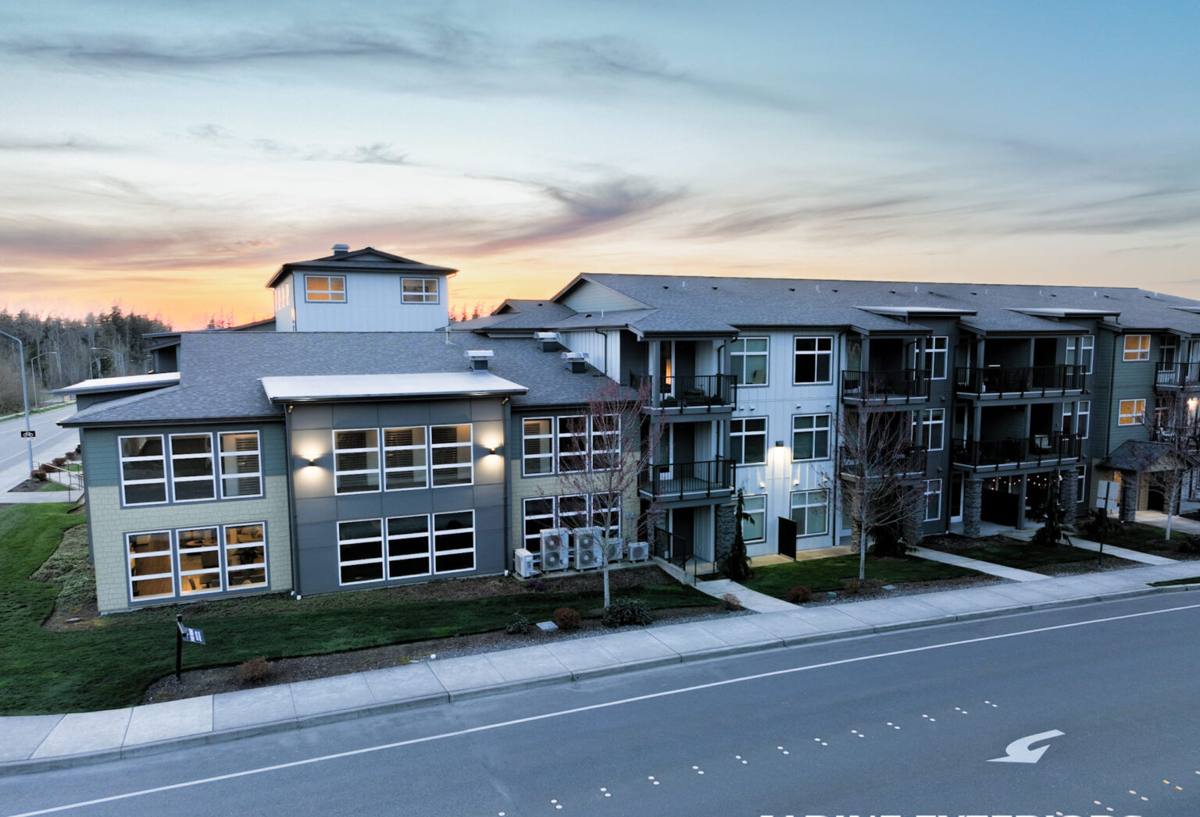
Why Wiser Lake Roofs Take a Beating
Most of the roof damage we're called out for around Wiser Lake traces back to three things working together rather than any single dramatic event.
Moss and Organic Growth
The tree cover around the lake and the surrounding low-lying land keeps roofs shaded and slow to dry out after rain. Moss doesn't just sit on the surface — it roots itself under shingle tabs and along butt joints, lifting the material and holding moisture against the roof deck long after the rest of the neighborhood has dried off. Left alone through a full moss season, that trapped moisture works its way into the underlayment and eventually the sheathing.
Driving, Wind-Driven Rain
Rain that falls straight down is easy on a roof. Rain that comes in at an angle during a windstorm finds every marginal spot — a flashing lap that's an inch too short, a nail head that's backed out, a valley that wasn't woven quite right. Whatcom County storms regularly push rain sideways for hours at a time, which is why so many "mystery leaks" only show up during a specific wind direction.
Salt Air and Corrosion
You don't have to be waterfront to feel the effects of salt-laden air this close to Puget Sound. It accelerates corrosion on exposed fasteners, flashing seams, and metal roof edges. A galvanized nail or a cheap flashing detail that would last decades further inland can start showing rust streaks and pinholes years earlier out here.
Common Roof Repair Issues We See Around Wiser Lake
- Moss-lifted shingles along north-facing slopes and shaded eaves, often with granule loss underneath
- Flashing failures around chimneys, skylights, and roof-to-wall transitions where sealant has dried and cracked
- Valley leaks where two roof planes meet and debris or moss has slowed drainage
- Fascia and eave rot caused by water backing up under the drip edge over several wet seasons
- Nail pops and lifted tabs from wind uplift during winter storms
- Clogged or undersized gutters that push water back under the roof edge instead of away from it
What a Correct Repair Actually Involves
A lot of roof "repairs" are really just a patch over a symptom. Sealant smeared over a cracked flashing, a shingle tab glued down over moss that's still alive underneath — those buy a season, maybe two, before the same leak reappears somewhere nearby. A repair done right starts with figuring out the actual path water is taking, not just where it's showing up on the ceiling below.
That means pulling back the surrounding shingles or panels to see the underlayment and decking condition, not just eyeballing the surface. It means matching flashing material and technique to what's already there so the repair sheds water the way the rest of the roof was designed to. And it means treating the underlying cause — clearing and often treating moss growth, not just scraping the visible patch — so the fix has a fair chance of holding through the next wet season instead of just the next dry one.
Repair or Replacement? What Actually Tips the Decision
Not every roof issue on a Wiser Lake home means a full replacement, and not every leak is fixable with a quick patch. Here's how we think through it honestly:
| Factor | Usually Points to Repair | Usually Points to Replacement |
|---|---|---|
| Roof age | Under roughly two-thirds of expected material lifespan | At or past expected lifespan for the material |
| Extent of damage | Isolated to one section, flashing point, or valley | Spread across multiple slopes or the whole roof |
| Moss/algae coverage | Patchy, mostly surface-level | Heavy, long-established, lifting shingles broadly |
| Decking condition | Solid where exposed during the repair | Soft, discolored, or delaminating in multiple spots |
| Repair history | First or second repair in this area | Same spot has been patched more than twice |
| Underlayment | Still intact and doing its job | Brittle, torn, or missing in exposed areas |
If a roof is landing mostly in the middle column, a well-executed repair is honestly the right call — there's no reason to spend replacement money on a roof that has years of good life left. If it's landing in the right-hand column in more than one row, we'll tell you that directly rather than stringing along repairs that won't hold.
How We Approach a Wiser Lake Roof Repair
Inspection and Diagnosis
We get up on the roof — not just look at it from the ladder — and trace the actual water path from the leak point back to its source. That often means checking areas that seem unrelated to where the damage shows up inside, since water travels along the deck before it finds a way through.
A Written, Specific Scope
Before any work starts, you get a clear explanation of what's actually wrong, what we're going to do about it, and roughly what it involves. No vague line items. If we find something worse once we open things up, we tell you before we proceed, not after the invoice.
The Repair Itself
We replace what needs replacing, flash it the way it should have been flashed, and match materials to what's already on the roof as closely as possible. Moss and organic growth gets properly cleared and treated in the repair area, not just scraped off the surface.
Cleanup and a Straight Answer About What's Next
We clear debris, check gutters and downspouts in the immediate area since clogged drainage is so often part of the original problem, and let you know honestly whether this fix should hold long-term or whether it's a sign to start budgeting for larger work down the road.
Why a Crew That Already Works Wiser Lake Matters
Roofing crews that mostly work drier, calmer climates tend to under-detail flashing and underlayment because they can get away with it where they're from. Out here, that shortcut shows up as a leak within a year or two. A crew that regularly works Lynden and the Wiser Lake area already knows which roof details need to be built to handle driving rain and a long moss season, because we've seen what happens when they aren't.
There's also a practical side to it. A local crew can get to a leak faster during an active storm, already has a working relationship with the local material suppliers for a color or profile match, and isn't guessing about which side of a roof takes the worst of the weather in this specific pocket of the county — that's knowledge that only comes from doing the work here repeatedly, not from a general contracting background somewhere else.
Keeping a Repair From Turning Into a Bigger Problem
Most of the emergency leak calls we get around Wiser Lake could have been smaller, cheaper fixes if they'd been caught a season or two earlier. A little seasonal attention goes a long way in this climate.
- Walk the roofline visually each fall and spring and look for dark streaking, moss patches, or lifted shingle edges
- Keep gutters and downspouts clear going into the wet season — most eave and fascia rot around here starts with backed-up water, not the shingles themselves
- Trim back overhanging branches that keep sections of the roof shaded and slow to dry
- Check attic spaces after a hard windstorm for any sign of water intrusion, even a small stain
- Don't ignore a small ceiling stain assuming it will "dry out and be fine" — moisture that reached drywall has already gotten past several layers of roof protection
- Have flashing around chimneys and skylights checked every few years, since sealant breaks down well before the metal does
Get an Honest Look Before It Gets Worse
If you're dealing with a leak, moss buildup, or a repair someone else already tried that didn't hold, we're happy to come take an honest look. We'll tell you straight whether it's a targeted repair or something bigger, with no pressure either way. Fill out the form below for a free estimate on your Wiser Lake roof repair.