 Lynden
 Composite Decking Built for This Corner of Whatcom County
Homes near the Abbotsford, BC border sit in a stretch of Whatcom County that gets more moisture than most people expect when they picture "Pacific Northwest weather." You've got driving rain off the strait, damp marine air that carries a faint edge of salt, and a moss season that can run from October clear through April. Wood decking in this pocket of the county takes a beating: boards cup, fasteners work loose, and moss finds every shaded, north-facing run of decking within a season or two. Composite decking was built to solve exactly this kind of problem, but only if it's specified and installed correctly for the conditions here — not just installed the way a spec sheet says to install it in a dry climate.
This page covers what actually matters for composite decking on a home in or near Abbotsford, BC and greater Lynden: what the climate demands, what a correct installation looks like, and how we run the job from first look to final walkthrough.
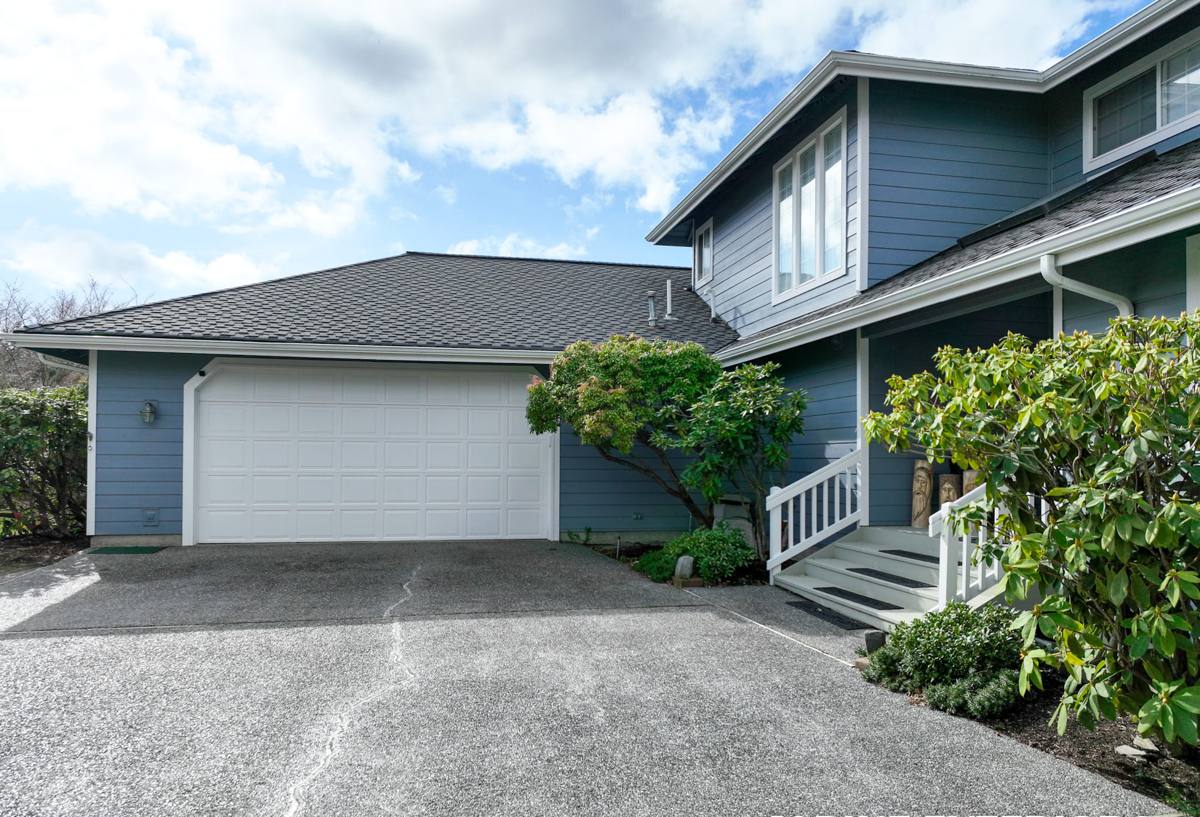
Why This Climate Is Harder on Decking Than It Looks
Moisture That Doesn't Let Up
Whatcom County gets a long, low-intensity wet season rather than short heavy storms. That means deck substructures, ledger connections, and board undersides stay damp for days or weeks at a stretch. Any decking material that can't shed water efficiently, or that traps moisture against the frame, will show it — rot in wood, or hidden framing damage under composite that was installed without enough airflow underneath.
Salt-Tinged Air
Proximity to the Georgia Strait and the Fraser Valley air corridor means homes here get periodic exposure to salt-laden moisture, even well inland from the coast proper. Salt air accelerates corrosion on fasteners, joist hangers, and any exposed metal hardware. It's a slower process than at a beachfront property, but it's real, and it shows up first in the hardware, not the decking surface.
Moss and Algae Season
Shaded decks, north-facing decks, and anything under tree cover in this area will grow moss and algae during the wet months almost regardless of material. The difference between materials is how hard that growth is to remove and how much it damages the surface over repeated cleanings. This is one of the biggest reasons homeowners here move away from wood decking in the first place.
What "Correct" Composite Decking Looks Like Here
Composite decking is not a single product — board composition, cladding type, and hardware quality vary a lot between manufacturers and price tiers. For this climate, a few things matter more than the marketing on the box.
Fully Capped Boards
Uncapped or partially capped composite boards absorb moisture at cut ends and exposed cores, which in a climate this wet leads to swelling and premature wear years before the warranty period is up. We specify fully capped boards (cap on all four sides) for anything installed in this region, because the cut ends at stair nosings, picture-frame borders, and board seams are exactly where moisture gets in first.
Substructure and Ventilation
The board is only half the system. A composite deck over a poorly ventilated or under-sloped substructure will trap moisture underneath regardless of how good the boards are. Correct joist spacing, proper drainage slope away from the house, and clearance for airflow under the deck are what actually keep a composite deck performing for its full service life here.
Fastener and Hardware Grade
Given the salt exposure, we don't cut corners on hardware. Stainless steel or heavy-duty coated fasteners and joist hangers rated for coastal/marine exposure cost more up front and are non-negotiable on decks in this area — mixed or budget-grade hardware is the single most common cause of premature hardware failure we see on decks that were otherwise built with good boards.
Hidden Fastening Where It Makes Sense
Hidden fastener systems give a cleaner surface with fewer penetration points for water to find, but they need to be matched to the specific board profile — not every hidden clip system works with every board, and a mismatch leads to squeaking, board movement, or clip failure over time.
Composite vs. the Alternatives, Honestly
| Material | Moss/mold resistance | Maintenance | Upfront cost | Fit for this climate |
|---|---|---|---|---|
| Pressure-treated wood | Low — needs regular cleaning and re-sealing | High — annual washing, periodic staining/sealing | Lowest | Workable but demands ongoing upkeep to avoid rot and moss buildup |
| Cedar | Moderate with sealing, low without | High — sealing every 1-2 years | Moderate-High | Looks good but the wet season is hard on it without diligent maintenance |
| Capped composite | High — surface resists moisture absorption | Low — periodic washing only | Higher | Best long-term match for driving rain and moss exposure |
| Uncapped/budget composite | Moderate — exposed cores still absorb moisture | Low-Moderate | Moderate | Can underperform at cut ends and seams in a wet climate |
None of these are "wrong" choices in every case — a homeowner who genuinely enjoys the upkeep and look of real wood can get good results with disciplined maintenance. What we won't do is install a deck material without being straight with you about what it will actually demand of you five and ten years down the road in this specific climate.
What a Correct Installation Process Looks Like
- On-site assessment of the deck location, sun/shade exposure, drainage path, and existing substructure condition
- Substructure inspection and repair or replacement of any compromised framing before new decking goes down
- Ledger board and flashing check — this connection point is the most common source of hidden water damage on any deck
- Joist spacing and slope set correctly for the board manufacturer's spec and for proper drainage away from the house
- Board and fastener installation using hardware rated for this region's moisture and salt exposure
- Edge, stair, and picture-frame detailing done with fully capped board ends where boards are cut
- Final walkthrough covering drainage, board gapping for seasonal movement, and maintenance expectations
A Homeowner's Pre-Project Checklist
- Ask what's actually underneath the existing deck before assuming a simple board swap is enough
- Confirm the fastener and hardware grade being used, not just the board brand
- Ask whether board ends will be capped or left exposed at cuts, stairs, and borders
- Check that drainage slope and under-deck ventilation are part of the plan, not just an afterthought
- Get a straight answer on what routine cleaning the specific board will need in a moss-prone yard
- Ask how the crew handles a ledger connection against an existing house wall in a wet climate
Maintenance Reality for Composite Decking in This Area
Composite decking is lower-maintenance than wood, not maintenance-free. In a moss-prone climate like this, plan on a seasonal wash — typically a soft-bristle brush with mild soap and water, or a low-pressure rinse — to keep moss and algae from establishing on shaded sections. Avoid high-pressure washing directly into board seams or fastener points, since that can drive water where it shouldn't go. Gutters and downspouts that discharge near or onto the deck should be checked and redirected if needed, since concentrated runoff is one of the fastest ways to accelerate moss growth and staining on an otherwise well-built deck.
Why Local Experience on This Product Matters
Composite decking installation is not identical from region to region. A crew used to installing in a dry climate can do everything "by the book" and still hand a homeowner here a deck that traps moisture, grows moss within a year, or shows early hardware corrosion — because the book doesn't account for Whatcom County's wet season or the salt-tinged air this close to the Fraser Valley and the strait. Working regularly on homes in and around Abbotsford, BC and Lynden means we've seen which substructure details, hardware grades, and board choices actually hold up here, and which ones look fine on installation day but fail early once the fall rains set in.
We also know this area's older housing stock and typical deck-ledger conditions, which matters when a composite deck is going onto an existing structure rather than new construction. That local familiarity shortens the assessment phase and reduces surprises once work starts.
Get a Straight Answer for Your Deck
If you're weighing composite decking for a home near Abbotsford, BC or anywhere around Lynden, we're happy to take a look at your specific site — sun exposure, drainage, existing substructure — and give you an honest read on what it'll take to do the job right for this climate. Reach out below for a free, no-pressure estimate.