 Lynden
 Why Acme-Area Homes Wear Out Siding Faster Than You'd Expect
Homes around Acme sit in a different microclimate than a lot in downtown Lynden, even though they're both in the same corner of Whatcom County. More tree cover, more shade, and more standing moisture on the north and west walls of a house mean siding here spends more of the year wet than siding on an open, sun-exposed lot. Add in the salt-laden air that rolls off the Sound and up through the county, plus the driving, sideways rain that Whatcom County storms bring, and you've got a combination that punishes anything but the right material installed the right way.
We've torn siding off enough Acme-area homes to know the pattern: it's rarely the whole wall that fails first. It's the shaded north side, the area behind shrubs and trees that never fully dries out, and the bottom courses near grade where splash-back and moss buildup keep the material damp for weeks at a stretch. A siding job here has to be planned around those realities, not just around what looks good from the road.
What "Long Moss Season" Actually Does to a Wall
Moss doesn't just look bad. It holds moisture directly against the siding surface, blocks airflow, and — on wood-based or wood-composite products — feeds the exact conditions that cause rot at the seams and butt joints. On homes tucked under fir and cedar canopy near Acme, moss can establish itself within a couple of seasons on a north-facing wall that never gets direct sun. Any siding choice for this area has to assume moss pressure is part of the deal, not an edge case.
Why We Only Install James Hardie in This Climate
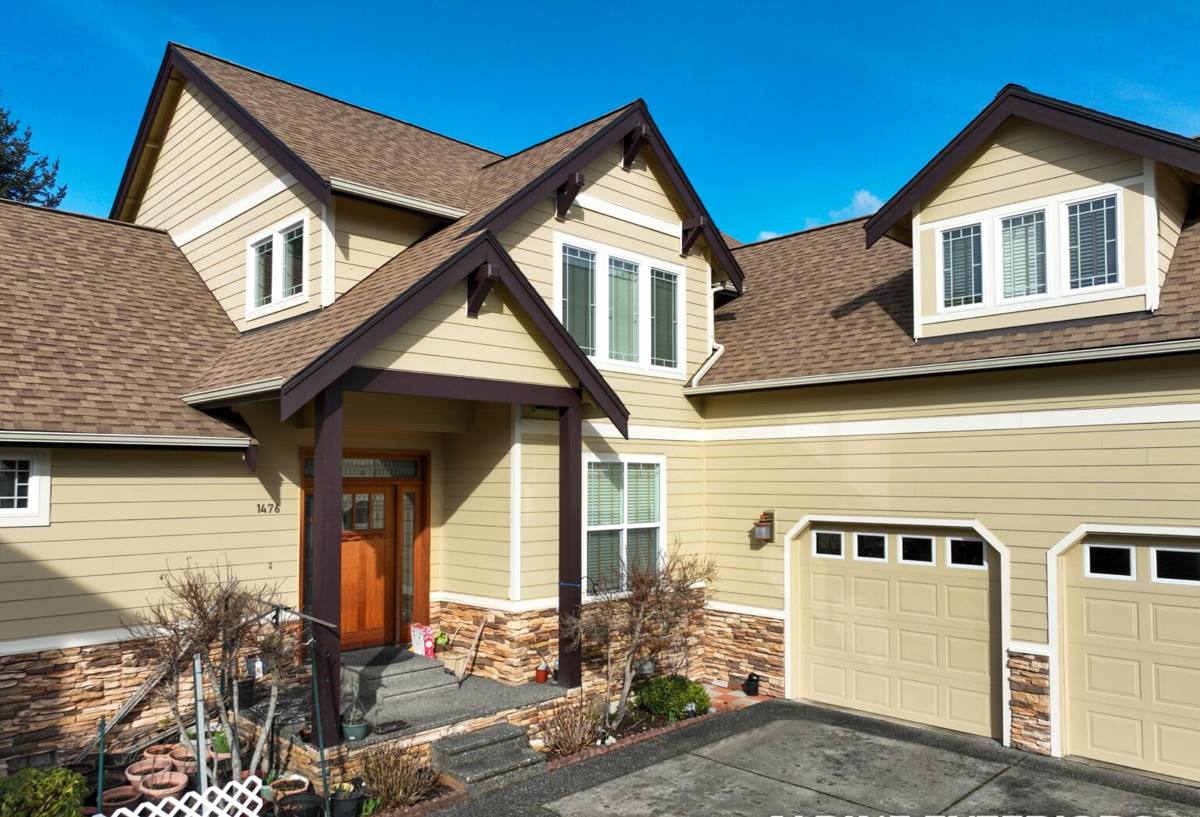
We install James Hardie fiber cement siding exclusively — not vinyl, not LP SmartSide, not primed spruce or cedar, not other cement-board brands. That's not a marketing position, it's a decision we made after years of watching what actually holds up in Whatcom County weather versus what looks fine in a showroom.
Fiber cement is non-combustible, dimensionally stable, and doesn't feed mold or rot the way wood-based products can once moisture gets behind or into them. James Hardie in particular builds its HZ5 product line specifically for the wetter, cooler Pacific Northwest climate zone — engineered moisture resistance, a factory-cured ColorPlus finish that doesn't rely on field paint to hold up, and a transferable warranty backed by a manufacturer with decades in this exact climate niche. For a wall that's going to sit in shade and dampness eight months a year, that engineering matters more than it does on a sunbaked lot somewhere else.
What ColorPlus Actually Buys You Here
ColorPlus is Hardie's factory-applied finish, baked on before the boards ever reach the jobsite. In a high-moss, high-humidity area like Acme, that matters for a practical reason: field-applied paint on any siding material is the first thing to fail when a wall stays damp for extended stretches, and repainting a shaded, tree-lined property every several years is a real, recurring cost most homeowners don't want to sign up for. ColorPlus is warrantied against fading and peeling, and it holds its finish under exactly the conditions this area produces.
What a Correct James Hardie Installation Involves
Hardie siding is only as good as the installation behind it. The board itself resists rot and won't feed mold, but a sloppy install still lets water get where it shouldn't — and once that happens, the sheathing and framing behind the siding pay the price, not the siding itself. A correct job includes:
- A properly lapped, continuous water-resistive barrier behind the siding — not just felt paper stapled up and forgotten
- Correct flashing at every window, door, and roof-to-wall intersection, installed shingle-style so water sheds outward instead of behind the cladding
- Manufacturer-specified fastener type, spacing, and depth — Hardie is explicit about this, and it's one of the most commonly skipped details on rushed jobs
- Proper clearance from grade, roof lines, decks, and patios — Hardie specifies minimum gaps for a reason, and closing that gap is exactly how moisture and moss get a foothold at the bottom courses
- Factory-mitered or properly caulked joints at butt seams, using a sealant rated for the exposure
- Ventilation behind the cladding where the wall assembly calls for it, so any moisture that does get in has somewhere to go
None of this shows up in a quick estimate walk-around. It shows up five years later, either as a wall that's still tight and clean or one that's staining, cupping, or holding moss at every joint.
How We Approach an Acme-Area Job
Every property in this area gets assessed on its own terms before we talk product or price:
- Site and shade assessment — we walk the property and note which walls stay wet longest, where tree cover sits, and where moss or algae has already established itself
- Tear-off and sheathing inspection — old siding comes off and we inspect the sheathing underneath for hidden rot before anything new goes up; this is often where the real story of a home's moisture history shows up
- Repair before re-clad — any damaged sheathing or framing gets addressed before a single Hardie board is hung; covering a moisture problem instead of fixing it just delays the failure
- Install to Hardie's published specifications — clearances, fasteners, flashing, and joint treatment, matched to the HZ5 climate profile
- Final walk-through — we go over clearances, caulking, and finish details with the homeowner before calling the job done
Common Problems We Find on Acme-Area Homes
A few issues show up often enough on siding tear-offs in this area that they're worth flagging before you decide what to do next:
- Bottom-course moisture damage from siding installed too close to grade, decks, or patios — a common shortcut that traps splash-back moisture against the wall
- Moss buildup at butt joints and under trim on shaded elevations, especially where landscaping has grown up against the wall over the years
- Failed field-applied paint on older wood or fiber cement siding that was never factory-finished, leaving bare material exposed to weather
- Missing or reverse-lapped flashing around windows and rooflines, invisible until the siding comes off but often the actual source of interior moisture complaints
Choosing the Right Hardie Product for This Property
James Hardie makes several product lines, and the right mix depends on the home's style and exposure, not just preference:
| Product | Best Use | Why It Fits This Area |
|---|---|---|
| HardiePlank lap siding | Primary wall cladding | The standard workhorse for full-wall coverage; HZ5 formulation handles sustained moisture exposure |
| HardiePanel vertical siding | Accent walls, gables, modern facades | Sheds water cleanly on steep gable faces where horizontal laps can trap runoff |
| HardieShingle siding | Accent bands, gable detailing | Adds texture without the maintenance burden of real wood shingles in a wet, shaded setting |
| HardieTrim boards | Corners, window and door trim | Resists the rot that commonly hits wood trim at the exact joints where water collects |
What Drives Cost on a Job Like This
Every estimate is specific to the house, but the same factors move the number up or down on most Acme-area projects:
| Factor | Why It Matters Here |
|---|---|
| Extent of hidden sheathing repair | Shaded, moisture-prone walls often need more substrate repair than a sunny lot before new siding goes on |
| Tear-off and disposal of old siding | Cost varies by material — removing old wood or vinyl differs from removing an existing fiber cement job |
| Product mix | Straight lap coverage costs less per square foot than a home with panel accents, shingle detailing, and custom trim |
| ColorPlus vs. field-applied finish | Factory finish costs more up front but removes a recurring repaint expense down the road |
| Site access | Rural lots, long driveways, and tight tree clearance can add setup and material-handling time |
Why a Crew That Already Works This Area Matters
Siding work in Acme isn't identical to siding work on a flat, open lot closer to town. Crews unfamiliar with the area sometimes underestimate how much moisture pressure a shaded wall actually carries, or miss that a home's north side needs different flashing attention than its south side. A contractor who already works this part of Whatcom County knows what to check for on the tear-off before it becomes a surprise mid-job, understands the county's permitting expectations, and isn't guessing at how the local weather pattern will affect scheduling and cure times for sealants and finishes.
That familiarity also means fewer surprises for you. When a crew has already handled a dozen homes with the same tree cover, the same moss pressure, and the same driving-rain exposure, they're not learning on your project.
Questions Worth Asking Before You Hire Anyone for This Job
- Are they licensed, bonded, and insured in Washington State?
- Do they carry James Hardie installation training or manufacturer recognition, not just general siding experience?
- Will they inspect and, if needed, repair sheathing before installing new siding — in writing?
- Does the written scope specify clearances, flashing details, and fastener type — or is it vague on installation specifics?
- Is the warranty on the product transferable if you sell the home?
- Do they have a clear plan for jobsite cleanup and debris removal on a rural lot?
Ready to Talk About Your Home
If your Acme-area home is showing moss staining, soft spots near the bottom courses, or siding that just won't hold paint anymore, it's worth having someone look at it before those small signs turn into sheathing damage. We're happy to walk the property, look at what's actually happening on each wall, and give you a straightforward assessment of what James Hardie siding would involve for your home. Reach out for a free, no-pressure estimate using the form below.