 Lynden
 Board & Batten Siding for Ferndale Homes
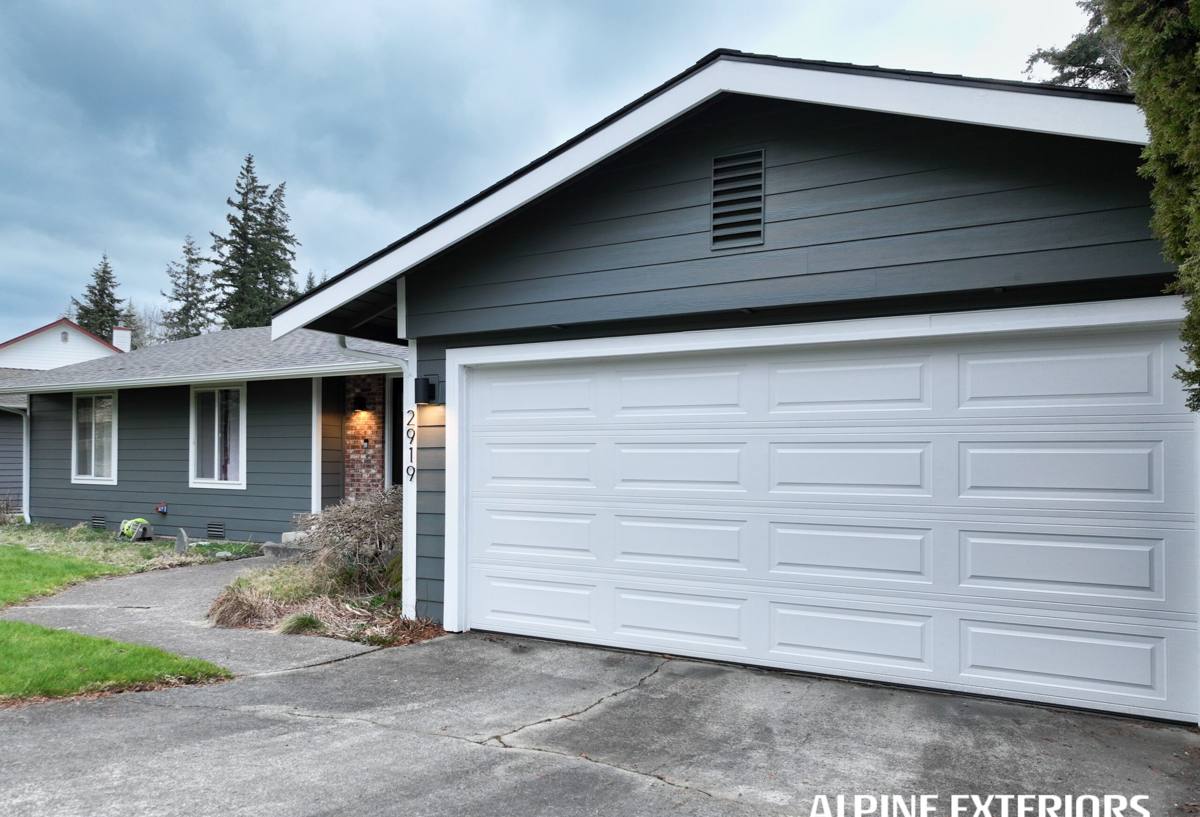
Board and batten has become one of the most requested siding styles in Whatcom County, and Ferndale is no exception. The vertical lines read clean and modern on newer builds, and they pair naturally with the farmhouse and craftsman looks that are common on homes throughout the area. But board and batten isn't just a look — it's a siding system with its own set of installation rules, and if those rules aren't followed exactly, the same style that looks great on day one can turn into a moisture problem within a few years. This page covers what board and batten siding needs to hold up in Ferndale's specific conditions, what a correct installation actually involves, and why the crew you hire matters as much as the material itself.
Why Ferndale's Climate Puts Extra Demand on Vertical Siding
Ferndale sits close enough to the water that salt-laden air is a real factor in how exterior materials age here, not a theoretical one. Add in Whatcom County's driving rain — wind-blown rain that hits walls at an angle instead of just running down them — and a long, damp moss season that stretches through much of the fall, winter, and spring, and you've got a climate that's tougher on siding than a lot of homeowners assume.
Board and batten siding is more exposed to these conditions than horizontal lap siding in a few specific ways:
- Vertical seams collect and channel water differently. Every batten seam is a potential path for water to travel down and behind the siding if it isn't flashed and fastened correctly.
- Flat, wide board faces hold moisture longer. Compared to overlapping lap boards that naturally shed water, a flat board and batten face can stay wet longer after a storm, which matters when storms roll through as often as they do here.
- North- and shaded-side walls are prone to moss and algae growth. Ferndale's tree cover and marine-layer humidity create ideal conditions for moss to take hold on any wall that doesn't dry out quickly, and moss holds moisture against the siding surface even longer.
- Salt air accelerates corrosion of fasteners and trim metal. Cheap or under-spec'd fasteners and flashing will show rust and staining faster this close to the coast than they would further inland.
None of this means board and batten is a bad choice for Ferndale — it's a great look for the area. It means the installation has to account for these conditions from the start, not get patched later.
What a Correct Board & Batten Installation Actually Involves
The Water Management Layer Comes First
Before a single board goes up, the wall needs a properly lapped weather-resistive barrier and correctly integrated flashing at every window, door, and penetration. On a board and batten wall, this layer is doing more work than people realize — it's the actual waterproofing system. The boards and battens are the finish layer, not the seal.
Fastening Has to Account for Wide Panels
Board and batten uses wider individual pieces than lap siding, which means more surface area exposed to wind load and more room for a board to move if it isn't fastened correctly. Fastener spacing, type, and embedment all need to follow the manufacturer's specification exactly — not "close enough." This is one of the most common places corners get cut on board and batten jobs, and it's also one of the hardest mistakes to spot after the fact, because the siding looks fine until it doesn't.
Batten Placement and Gapping
The battens need consistent spacing, correct fastening through the underlying board (not just into the sheathing gap between them), and proper clearance at the bottom of the wall so water has somewhere to go instead of wicking upward into end grain or cut edges.
Caulking Is a Backup, Not a Fix
A well-installed board and batten wall doesn't rely on caulk to stay dry. Caulk fails over time, especially with the temperature swings and constant damp of a Whatcom County winter. If the flashing and fastening underneath are correct, caulk failure is a cosmetic issue. If they're not, caulk failure is when water starts getting behind the siding.
Material Matters as Much as Installation
We install James Hardie fiber cement exclusively — specifically Hardie's vertical panel and batten systems — and we don't install vinyl board and batten, engineered wood board and batten, or primed spruce or cedar boards. Here's how those options actually compare for a wall that has to deal with salt air, driving rain, and moss for years at a time:
| Material | Moisture behavior | Long-term appearance | Fit for Ferndale conditions |
|---|---|---|---|
| James Hardie fiber cement | Non-combustible, engineered to resist moisture-driven swelling and rot | Factory ColorPlus finish holds color without frequent repainting | Built for wet, coastal-influenced climates |
| Vinyl board & batten | Doesn't rot, but can warp or crack with temperature swings and UV exposure | Fades over time; can't be repainted a different color | Weak points at seams and fasteners in high-wind, driving-rain conditions |
| Engineered wood (LP-style) | Wood-based core is vulnerable if the factory edge seal or field cuts aren't treated correctly | Needs repainting on a maintenance schedule | Edge and cut-end moisture intrusion is a real risk in a wet climate |
| Primed spruce / cedar | Natural wood; absorbs and releases moisture constantly, prone to rot without diligent upkeep | Requires regular repainting or restaining | High-maintenance in a climate with this much annual rainfall and moss pressure |
Every one of these products has a legitimate use case somewhere. In Ferndale's specific mix of salt air, sustained rain, and moss season, we've made fiber cement our standard because it holds up with the least amount of ongoing homeowner maintenance — and because when it's installed to spec, the failure points we see most often on other materials largely go away.
What You're Actually Getting With James Hardie
- Non-combustible fiber cement construction
- ColorPlus factory finish, engineered to resist fading and chipping better than field-applied paint
- HZ product lines engineered for specific climate zones, including wet Pacific Northwest conditions
- A strong, transferable manufacturer warranty when installation follows Hardie's specifications
Our Process, Start to Finish
- On-site assessment. We look at your current siding condition, wall assembly, sun and shade exposure, and any moisture or moss issues already present before we quote anything.
- Detailed estimate. You get a clear breakdown of scope — tear-off (if needed), water management layer, board and batten materials, trim, and flashing details — with no vague line items.
- Prep and water management. Any damaged sheathing gets addressed, and the weather-resistive barrier and flashing go in correctly before any siding is installed.
- Board and batten installation. Installed to James Hardie's fastening and spacing specifications, not shortcuts.
- Final walkthrough. We go over the finished work with you directly so you know what was done and why.
Cost Factors for a Board & Batten Project
We don't publish blanket prices because every wall and every job is different, but these are the main factors that move the number up or down:
| Factor | Why it matters |
|---|---|
| Tear-off vs. new construction | Removing and disposing of old siding adds labor and disposal cost |
| Wall condition underneath | Rotted sheathing or water damage found during tear-off needs repair before new siding goes on |
| Wall complexity | Dormers, multiple gables, and cut-ins around windows and doors take more time per square foot than a flat wall |
| Trim and accent work | Corner boards, window trim, and transition details add material and labor |
| Access and site conditions | Tight lots, height, or landscaping that limits staging can affect labor time |
Maintenance in Ferndale's Conditions
Even with a durable material and a correct installation, board and batten siding in a moss-prone, damp climate benefits from a little seasonal attention:
- Keep gutters clear so overflow doesn't run down and pool at wall surfaces
- Trim back vegetation and tree cover that shades walls and slows drying
- Rinse off accumulated grime, pollen, or early moss growth before it establishes
- Have caulking at trim and penetrations checked periodically, since it's a backup layer, not the primary defense
- Watch shaded, north-facing walls most closely — they're the first place moss tends to take hold
This is lighter maintenance than what wood or engineered wood siding typically demands in this climate, but it isn't zero-maintenance, and it's worth doing on a schedule rather than waiting until moss or staining is already visible.
Why Hiring a Crew That Already Works Ferndale Matters
Board and batten installation mistakes don't usually show up on day one — they show up two, three, or five years in, once water has had time to find a path behind the siding. A crew that already works Whatcom County has seen how driving rain, salt air, and moss actually behave on local walls over time, not just in a training manual. That matters when it comes to flashing details, fastener choices, and where extra attention needs to go on a given wall. It also means someone local who stands behind the work is easy to reach if a question comes up after the job is done.
What to Ask Before You Hire
- Are you installing to the manufacturer's written fastening and flashing specifications, or a general approach?
- What weather-resistive barrier and flashing details are included, and where?
- Is the warranty from the manufacturer transferable, and does correct installation keep it valid?
- Do you have current licensing and insurance you can provide before work starts?
- Have you installed board and batten on homes in this area before, and can you speak to how it's held up?
If you're weighing board and batten siding for a home in Ferndale, we're glad to walk the property with you, look at what's there now, and put together a clear, no-pressure estimate — just fill out the form below to get started.