 Lynden
 Ferndale Decks Have to Survive a Different Kind of Weather
Ferndale sits close enough to the water that salt air is a real factor in how a deck ages, not just a talking point. Combine that with Whatcom County's long stretch of driving rain from fall through spring, plus a moss season that can run for months on any surface that stays shaded and damp, and you have a climate that's genuinely harder on outdoor structures than most of the country. A deck that would hold up fine in a dry inland climate can start showing corrosion, soft spots, and slick green growth within a couple of seasons here if it wasn't built with this specific environment in mind.
That's the difference between a deck that looks good in the brochure photo and one that's still solid, safe, and low-maintenance ten years in. We build decks in Ferndale and around Lynden specifically for this climate — the fastener choices, the drainage details, and the material selection all change once you're designing for salt-tinged air and near-constant moisture instead of a generic "outdoor" spec.
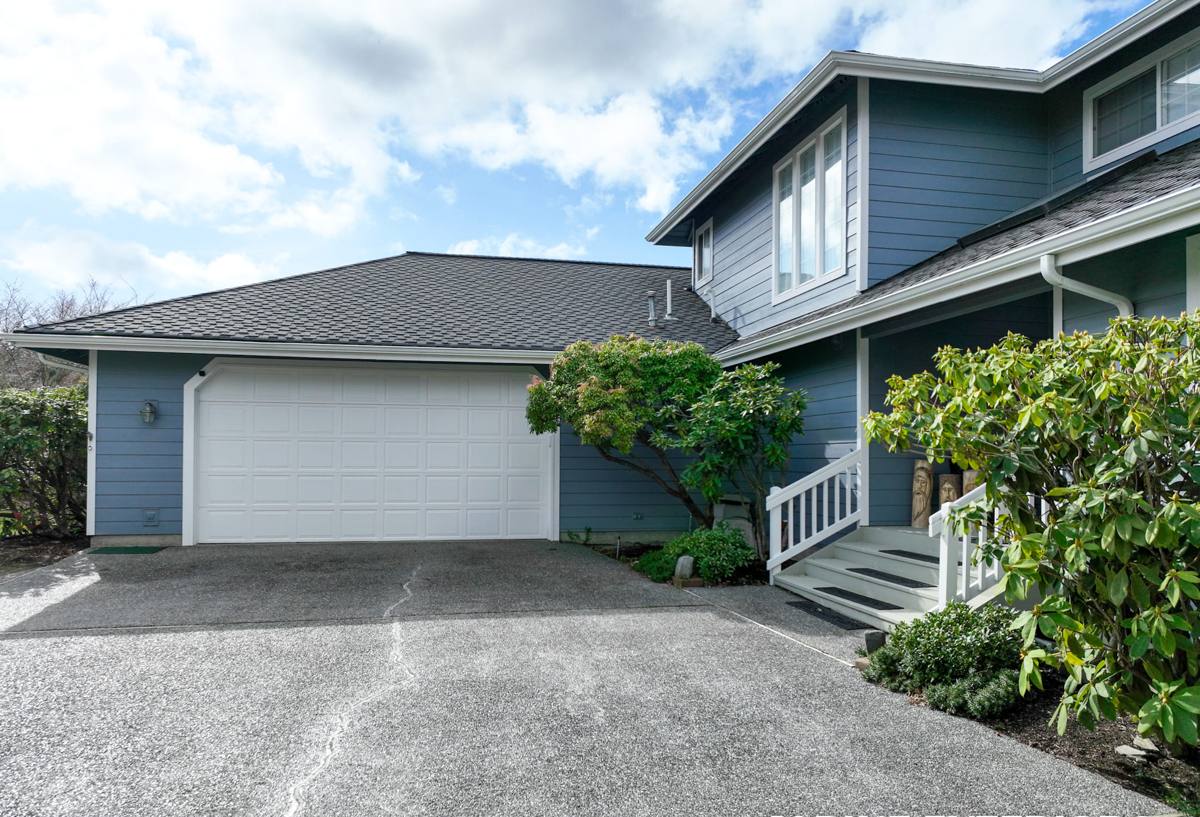
What Local Homes Actually Need From a Deck
Before we talk about boards and railings, it helps to understand the three things working against any deck in this area: moisture that doesn't fully dry out between rain events, airborne salt that accelerates corrosion on anything metal, and shaded, damp conditions that are ideal for moss and algae. A correctly built deck addresses all three at the structural level, not just with a coat of finish on top.
Drainage Comes First
Standing water is the single biggest reason decks fail early in this region. That means proper board spacing for water to shed through, a substructure that doesn't trap moisture against framing members, and grading or drainage systems underneath that move water away from the foundation instead of pooling it against the house. A deck that looks fine on install day but was framed without drainage in mind will show problems within a few wet seasons — soft joists, staining, and premature wear on the decking itself.
The Ledger Connection Is Where Failures Start
Where a deck attaches to the house — the ledger board — is the single most common point of hidden water damage. If that connection isn't properly flashed, water works its way behind the siding and into the rim joist over time, often without any visible sign until the damage is significant. In an area with as much sustained rain as Whatcom County gets, we treat ledger flashing as non-negotiable, not an upsell.
Fasteners and Hardware Matter More Here
Salt air corrodes standard hardware faster than most homeowners expect. Screws, joist hangers, and structural connectors need to be rated for coastal exposure — stainless steel or coated fasteners built for corrosion resistance, not the cheapest galvanized option available. A deck can have perfect decking boards and still fail structurally years early if the hidden hardware holding it together was never spec'd for this air.
Decking Material: What Actually Holds Up
There's no single "best" decking material for every homeowner — it depends on budget, how much maintenance you're willing to do, and how much moss and rain exposure the specific spot on your property gets. Here's how the common options actually compare in a Ferndale-area climate:
| Material | Moss/Moisture Resistance | Maintenance | Typical Lifespan Here |
|---|---|---|---|
| Pressure-treated wood | Good if sealed regularly; absorbs moisture if neglected | Annual cleaning and re-sealing | 10-15 years with upkeep |
| Cedar | Naturally moisture-resistant, but softer surface can trap moss in shaded areas | Periodic cleaning and finish renewal | 15-20 years with care |
| Composite decking | Very good; doesn't absorb water like wood, though surface can still grow algae if never cleaned | Occasional washing, no sealing or staining | 25-30+ years, manufacturer-dependent |
| PVC decking | Excellent moisture resistance | Occasional washing | 25-30+ years, manufacturer-dependent |
Composite and PVC decking have become popular in this climate for a straightforward reason: they don't absorb water the way wood does, which removes a lot of the rot and warping risk that comes with our rain totals. That's not a knock on wood decks — cedar and treated lumber still perform well when properly maintained, and plenty of homeowners prefer the natural look and are willing to keep up with sealing. We'll walk through the real trade-offs for your specific site and sun exposure rather than pushing one material across the board.
The Moss and Mildew Reality
Moss doesn't need much to get established — shade, moisture, and time are enough, and Ferndale has all three for a good part of the year. On a deck, moss and algae growth isn't just cosmetic; it makes surfaces genuinely slick and can hold moisture against the board surface longer than it would otherwise sit there, which speeds up wear on wood decking in particular.
Design choices make a real difference here. Decks positioned under heavy tree cover or on the shaded side of a house need wider board gaps for airflow, and in some cases we'll recommend adjusting nearby landscaping to cut down on standing shade if it's practical. For surface finishes, we favor products with anti-slip and mildew-resistant properties in shaded, moisture-heavy spots rather than a purely cosmetic stain.
Our Process for a Ferndale Deck Build
- Site evaluation: We look at sun exposure, drainage slope, proximity to the water, and how the deck will tie into your home before recommending materials.
- Design and permitting: We handle the plan and permitting requirements that apply in Whatcom County so the structure is built to code from the start, not retrofitted later.
- Framing with corrosion-rated hardware: Every hidden connector and fastener is spec'd for coastal exposure, not standard-grade hardware.
- Ledger flashing and waterproofing: The house connection gets properly flashed before any decking goes down.
- Decking and railing installation: Board spacing, fastening method, and railing hardware are all chosen with drainage and salt exposure in mind.
- Final walkthrough: We go over maintenance expectations specific to your material choice and site conditions before we call the job done.
Railings and Hardware: Small Details That Cause Big Problems
Railing posts and hardware are often the first thing to show corrosion on a coastal deck because they're constantly exposed with no roof or overhang protection. We use fasteners and structural post connections rated for the environment rather than standard exterior-grade hardware that's built more for a dry climate. It costs a little more up front and saves homeowners from a railing that starts rusting or loosening within a few years.
Keeping a Deck in Good Shape Year-Round
Even a well-built deck needs some seasonal attention in this climate. A simple maintenance routine goes a long way toward getting the full lifespan out of the investment:
- Sweep debris and standing leaves off the surface regularly, especially in fall
- Wash down the decking a couple times a year to remove early moss and algae growth before it takes hold
- Check railing posts and hardware annually for early signs of corrosion or loosening
- Reseal or re-stain wood decking on the manufacturer's recommended schedule — don't wait until it looks obviously worn
- Clear gutters and downspouts near the deck so runoff isn't draining directly onto or under it
- Trim back overhanging branches that keep sections of the deck shaded and damp
Why It Matters That We Already Work in Ferndale
A deck built from a generic regional spec sheet doesn't account for how close Ferndale sits to salt air, or how long moss season really runs here compared to drier parts of Whatcom County. We've built and repaired decks throughout the Lynden and Ferndale area long enough to know which details actually matter locally — where drainage problems tend to show up first, which hardware holds up and which doesn't, and how much shade tolerance a given site really has before moss becomes a maintenance headache instead of an occasional chore.
That local experience shows up in decisions a homeowner might not think to ask about: fastener grade, ledger flashing detail, board spacing for a specific yard's sun exposure. It's the difference between a deck that needs real work again in five years and one that just needs routine upkeep for the next two decades.
Get a Straight Answer on What Your Deck Needs
If you're planning a new deck or replacing one that hasn't held up to Ferndale's weather, we're happy to take a look and talk through what actually makes sense for your site, budget, and material preferences. Reach out for a free, no-pressure estimate using the form below — we'll walk the property with you before recommending anything.