 Lynden
 Deck Repair in Sumas: What the Job Actually Involves
A deck in Sumas takes a different kind of beating than a deck on the other side of the state. Between the long stretch of wet months, the moss that creeps in every fall, and the freeze-thaw swings that hit this part of Whatcom County, the wood and hardware holding your deck together are working harder than most homeowners realize. Deck repair isn't just about swapping a rotten board here and there — it's about finding every place where moisture has gotten in, understanding why it got in, and fixing that root cause so the repair actually lasts.
We work on decks throughout Lynden and the surrounding communities, including Sumas, and we see the same patterns over and over: soft boards near the house where runoff collects, rusted or corroded fasteners, ledger connections that were never properly flashed, and railings that have loosened as the posts absorb seasonal moisture. This page walks through what a proper repair looks like for a Sumas deck specifically — not a generic list of deck problems, but what actually shows up on decks built and used in this climate.
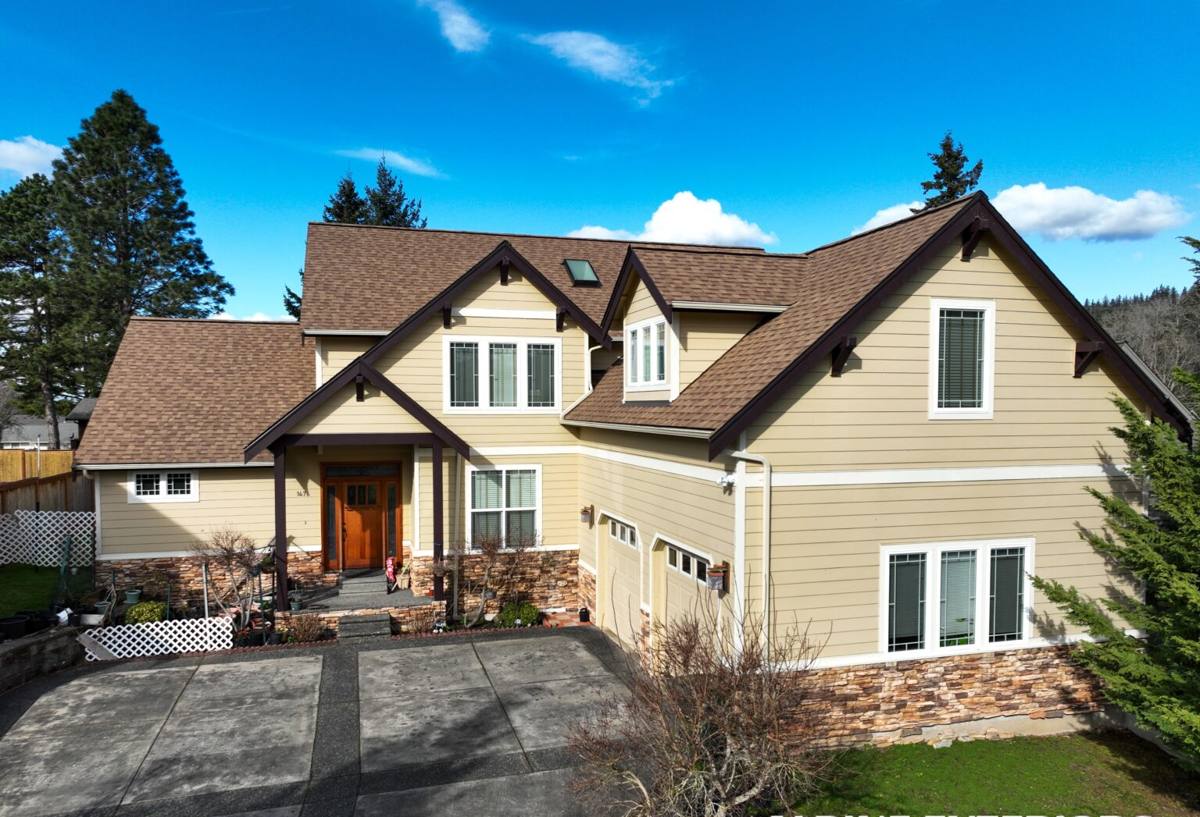
What Local Weather Does to a Sumas Deck
Sumas sits in a part of Whatcom County that gets a steady diet of driving rain for much of the year, plus the kind of damp, low-light stretches that let moss and algae take hold on any horizontal surface that doesn't dry out quickly. That combination is hard on decks in a few specific ways:
- Driving rain gets pushed sideways into gaps between boards, around railing posts, and up under flashing that isn't sealed the way it should be.
- Long wet seasons mean slow drying. Wood that stays damp for days at a time is far more likely to develop soft spots, fungal decay, and fastener corrosion than wood that gets a quick soak and dries out the same afternoon.
- Moss and algae hold moisture against the surface long after the rain stops, which accelerates rot in exactly the spots you'd want to stay dry — joints, board ends, and anywhere two pieces of wood meet.
- Cold snaps and freeze-thaw cycles expand trapped moisture inside cracks and fastener holes, which widens those cracks a little more every winter.
None of this means a deck in Sumas is doomed — it means the details matter more here than they would in a drier climate. A repair that doesn't account for how water moves across and through the structure is a repair that fails again in a season or two.
Signs Your Deck Needs Repair, Not Just a Cleaning
A lot of decks get pressure-washed every spring and called good. That's fine as routine maintenance, but it can mask problems that are getting worse underneath. Here's what tells us a deck needs actual repair work, not just a cleaning:
- Boards that feel spongy or flex more than the boards around them when you step on them
- Any board where a screwdriver or awl sinks in easily near the edges or at the ends
- Railings or posts that wiggle more than they used to, even slightly
- Rust streaks running down from fasteners or metal connectors
- Gaps opening up where the deck meets the house, especially around the ledger board
- Persistent dark staining or moss regrowth in the same spots within weeks of cleaning
- Stairs that feel less solid underfoot, or stringers with visible cracking
- Any sagging along the deck's perimeter or around support posts
If you're seeing more than one or two of these, it's worth having someone look at the structure, not just the surface.
Common Deck Repair Issues We See in Sumas
Ledger Board and House Connection
The ledger board — where the deck attaches to the house — is the single most important connection on the whole structure, and it's also the one most likely to have been under-flashed or sealed with materials that have since failed. Water that gets behind the ledger doesn't just rot the deck framing; it can work its way into the house's rim joist and siding. This is one of the first things we check on any repair call.
Fastener Corrosion
Older decks, or decks built with mismatched hardware, often have fasteners that were never rated for the treated lumber they're driven into. Corroded nails and screws lose their holding strength long before the wood around them looks obviously damaged, which is why a board can seem fine on top but still be barely attached underneath.
Board-End Rot
Cut ends of deck boards soak up water faster than the face of the board, especially if they weren't sealed when installed. This is almost always where we find the first soft spots, particularly on boards that run close to the ground or sit in shaded, slow-drying areas of the yard.
Post and Railing Movement
Railing posts take a lot of lateral stress over time, and if the connection at the base has been sitting in standing water or trapped moisture, the wood around the bolts weakens. A railing that wiggles is rarely a cosmetic problem — it's usually a sign the connection needs to be rebuilt, not just tightened.
Repair vs. Replace: How We Make the Call
Not every problem deck needs to come down. A lot of the time, the framing underneath is still sound and only the surface boards, a section of railing, or a few structural connections need attention. Here's roughly how we think through it:
| Condition | Usually a Repair | Usually Points to Replacement |
|---|---|---|
| Rot location | Isolated to a few boards or one section | Widespread across framing and surface boards |
| Structural framing | Solid, joists and beams test firm | Joists, beams, or posts are soft or compromised |
| Ledger connection | Sound, minor flashing fix needed | Failed flashing with rot into the rim joist |
| Deck age | Under 15-20 years, well-built originally | Older deck nearing the end of its usable life |
| Code compliance | Meets current railing/attachment standards | Undersized framing or outdated railing spacing |
We'll always tell you honestly which category your deck falls into. If a repair will genuinely hold up, we'll say so — there's no reason to sell a full replacement when a targeted fix does the job.
Our Deck Repair Process
- On-site inspection. We walk the entire deck, check the ledger connection, probe boards and framing for soft spots, and check every post and railing connection by hand.
- Identify the water source. Before replacing anything, we figure out where moisture is actually getting in — a gap in flashing, a low spot holding water, a shaded area that never dries. Fixing the symptom without fixing the source just means a repeat repair down the road.
- Remove and assess. Damaged boards and hardware come out so we can see the framing underneath clearly. Sometimes what looks like a small surface problem reveals more extensive damage once we're into it — we'll walk you through what we find before proceeding.
- Rebuild the connection points first. Ledger flashing, joist hangers, and post bases get addressed before any new decking goes down, so the repair is solid from the structure out.
- Replace boards and hardware. New lumber or composite boards go in with corrosion-resistant fasteners rated for treated wood, matched as closely as possible to your existing deck.
- Seal and finish. Cut ends and exposed connections get sealed before assembly, not after, since that's where the next round of rot would start otherwise.
- Final walkthrough. We check the repaired sections for level, secure railings, and confirm everything meets current safety standards for spacing and attachment.
Materials We Use for Repairs
What we recommend for a repair depends on what's already on your deck and what you want going forward. Matching the existing material usually makes the most sense for a partial repair; switching materials is worth considering if you're replacing a large section anyway.
| Material | Best For | Trade-Offs |
|---|---|---|
| Pressure-treated lumber | Matching existing wood decks, framing repairs | Needs periodic sealing to handle our wet season |
| Cedar | Visible surface boards on higher-end decks | Softer wood, more maintenance-sensitive than treated lumber |
| Composite decking | Full board replacement, low-maintenance goals | Higher upfront cost, but resists moisture and moss better long-term |
| Stainless or hot-dip galvanized hardware | Any repair near the ledger, posts, or framing | Costs more than standard fasteners but resists corrosion far longer |
We don't push composite decking on every job. If your existing deck is wood and in good shape structurally, a matched wood repair is often the more sensible and cost-effective choice. Where we do steer clients toward composite is when a large section is being rebuilt anyway, since the reduced maintenance is worth the added cost over time in a climate this wet.
Why Hire a Crew That Already Works in Sumas
Deck repair looks straightforward from the outside, but the difference between a repair that lasts and one that fails again in two years usually comes down to details that aren't visible once the job is finished: how the flashing was lapped, what fasteners were used, whether the framing was actually sound before new boards went on top of it. A crew that works decks throughout Whatcom County regularly — not just occasionally — has already seen how local moisture patterns, moss growth, and freeze-thaw cycles play out over multiple seasons, and builds the repair to account for that from the start rather than treating it as a generic carpentry job.
We're based in Lynden and work jobs across the surrounding area, including Sumas, so we're not learning the regional climate on your project. That matters more with decks than with almost any other exterior work, since a deck sits exposed to sun, rain, and standing moisture from every angle, all year.
Maintenance After the Repair
A repair holds up longer with a little regular attention. A few habits go a long way in this climate:
- Sweep debris and fallen leaves off the deck before they trap moisture against the boards
- Clean moss and algae off the surface each season before it has time to work into the wood grain
- Check railings and stair connections once a year for any new looseness
- Reapply sealant on wood decking on the schedule recommended for the product you have
- Keep gutters and downspouts clear so runoff isn't draining directly onto the deck
- Watch the ledger connection area after heavy rain for any signs of new staining
These small checks catch small problems while they're still small — which is the whole point of a repair done right the first time.
If you're noticing soft spots, a wobbly railing, or a deck that just doesn't feel as solid as it used to, we're happy to take a look. Reach out for a free, no-pressure estimate using the form below, and we'll give you an honest read on what your deck actually needs.