 Lynden
 Why Bellingham Roofs Wear Out Differently
A roof in Bellingham doesn't age the same way a roof does forty miles inland. Sitting near Bellingham Bay means homes here deal with a steady mix of salt-laden air, wind-driven rain off the water, and long stretches of gray, damp weather that keep roof surfaces wet for days at a time. Add in the shade from mature Douglas fir and cedar trees common to Whatcom County neighborhoods, and you get ideal conditions for moss, algae streaking, and slow moisture intrusion that a drier climate simply doesn't produce.
None of that means a roof here is doomed to fail early. It means the roofing system — materials, ventilation, flashing, and underlayment — has to be chosen and installed with this specific climate in mind, not treated like a generic install copied from a catalog spec sheet.
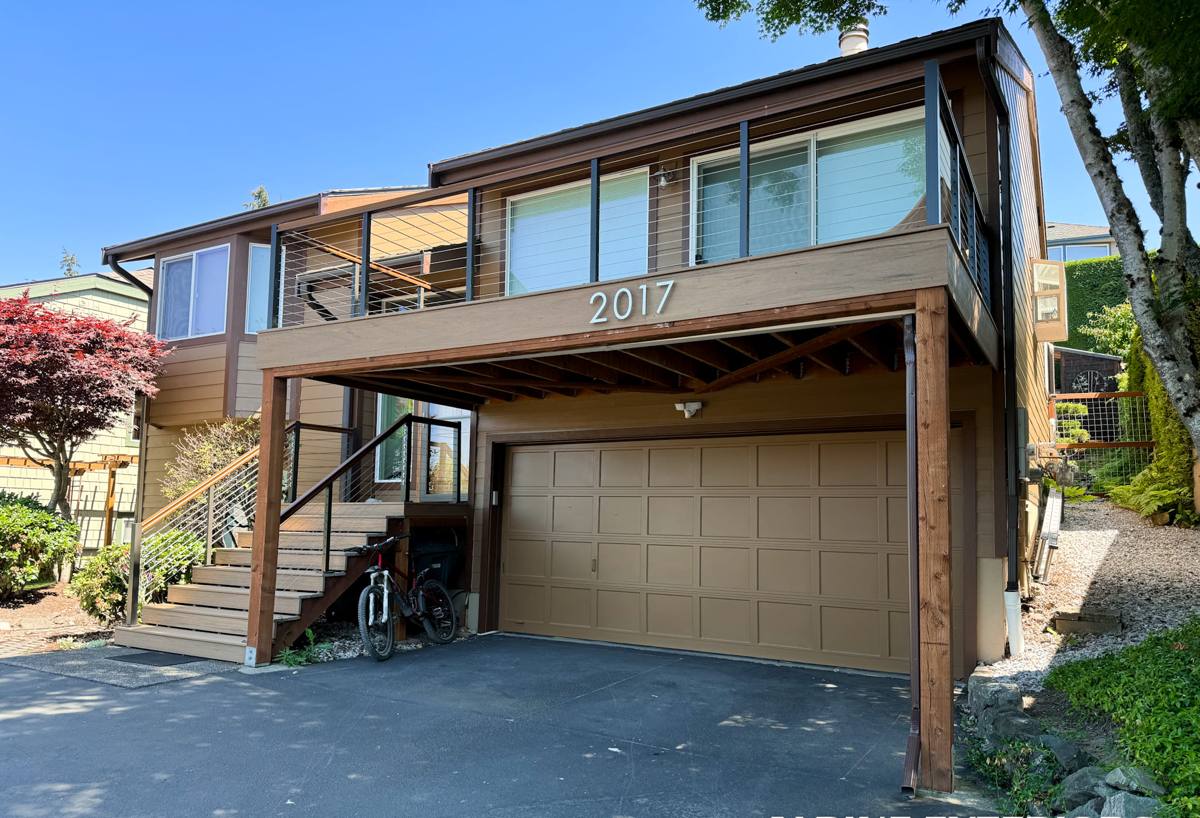
Signs a Bellingham Roof Needs Replacement, Not Just Repair
Not every roof problem calls for a full tear-off. But there's a point where patching becomes a losing bet — you're spending money to delay a replacement you'll need anyway, and sometimes covering up damage that keeps spreading underneath. Common signs we look for on Bellingham homes include:
- Granule loss heavy enough that shingles look bald or patchy, especially on south- and west-facing slopes exposed to driving rain
- Moss that keeps returning within a season or two of cleaning, which usually means it's rooted into degraded shingle mat, not just sitting on the surface
- Soft or spongy decking felt underfoot during inspection, a sign moisture has already worked past the roofing layer
- Curling, cracked, or missing shingles clustered in one area rather than spread evenly, often from a wind event or a manufacturing batch issue
- Daylight visible through the attic roof deck, or water stains on attic sheathing or insulation
- A roof already past 20-25 years old with multiple prior repairs
If you're seeing one or two of these, a repair might still make sense. If you're seeing several at once, replacement is usually the more honest recommendation — and we'll tell you that directly rather than stringing out repairs on an aging roof.
What a Correct Roof Replacement Actually Involves
A roof replacement is more than swapping old shingles for new ones. In a climate like Whatcom County's, the parts you don't see matter as much as the ones you do.
Full Tear-Off and Deck Inspection
We remove the old roofing down to the deck rather than layering over it. That's the only way to actually see what's underneath — soft spots, rot around vent stacks and chimneys, or delamination from years of trapped moisture. Any damaged decking gets replaced before anything new goes down; installing new roofing over a compromised deck just resets the clock on the same problem.
Underlayment Built for Wet Weather
Given how much rain this region sees, underlayment isn't a place to cut corners. We use synthetic or self-adhered underlayment products suited to the roof's pitch and exposure, with extra protection — ice-and-water-style membrane — at valleys, eaves, and other spots where water concentrates or wind can drive rain uphill under the shingle line.
Flashing Done Right
Most roof leaks that show up years later trace back to flashing, not the shingles themselves. Chimneys, skylights, sidewalls, and valleys all need properly formed and lapped flashing, not just a bead of sealant covering a gap. We replace flashing as part of a full roof job rather than reusing old pieces that have already started to corrode or pull away.
Ventilation That Matches the House
A roof that can't breathe traps moisture in the attic, which speeds up rot, feeds moss growth from underneath, and can void material warranties. We check intake at the eaves and exhaust at the ridge or roof vents, and balance the two — one without the other does very little good.
Choosing Roofing Materials for This Climate
There's no single "best" roofing material for every house — it depends on the roof's pitch, the home's style, your budget, and how much upkeep you want to do. Here's how the common options stack up for a Bellingham-area home:
| Material | Moss & Moisture Resistance | Maintenance | Typical Lifespan |
|---|---|---|---|
| Architectural asphalt shingle | Good, especially with algae-resistant granules | Occasional cleaning, moderate | 25-30 years |
| Standing seam metal | Very good — sheds moss and moisture with little to hold onto | Low | 40-50+ years |
| Cedar shake | Requires diligent upkeep in this climate to resist rot and moss | High — regular treatment and cleaning | 20-30 years with upkeep |
| Synthetic composite shake/slate | Good — doesn't absorb moisture like wood | Low to moderate | 40-50 years |
We'll walk you through which option fits your house and budget honestly. Cedar shake, for example, can look great on the right home, but it demands a maintenance commitment that not every homeowner wants to keep up with in a climate this wet — that's a trade-off we'll lay out plainly rather than talk you into or out of a material based on looks alone.
Our Roof Replacement Process
- On-site inspection and estimate. We walk the roof, check the attic, and photograph problem areas so you can see exactly what we're seeing.
- Written scope and pricing. You get a clear breakdown of materials, labor, and any decking or flashing replacement — no vague allowances that turn into surprise charges.
- Material selection. We help you pick a product and color that fits the house and the budget, and order materials ahead of the install date.
- Protection of the property. Landscaping, siding, and gutters get covered or protected before tear-off begins.
- Tear-off and deck inspection. Old roofing comes off, decking is inspected and repaired as needed.
- Underlayment, flashing, and new roofing installed. Installed to manufacturer spec and matched to this region's rain and wind exposure.
- Cleanup and magnetic nail sweep. Debris and stray fasteners are cleared from the yard and driveway.
- Final walkthrough. We review the finished roof with you before calling the job done.
Ventilation and Moisture: The Part Homeowners Often Skip
It's tempting to focus only on what a new roof looks like from the curb, but the moisture management underneath is what determines whether it lasts 15 years or 30 in this climate. Poor attic airflow is one of the most common issues we find on older Whatcom County homes — it's invisible from the ground, but it shows up as premature shingle aging, moss regrowth, and musty attic smells. Any replacement we do includes a real look at intake and exhaust ventilation, not just a cosmetic ridge vent added for looks.
What Affects the Cost of a Bellingham Roof Replacement
Every roof is different, so we won't quote a number without seeing yours, but these are the main factors that move the price up or down:
| Factor | Why It Matters |
|---|---|
| Roof pitch and complexity | Steep or multi-plane roofs take longer and require more safety setup |
| Number of layers to remove | Tearing off multiple old layers adds labor and disposal cost |
| Decking condition | Rotted or soft plywood found during tear-off needs replacement before new roofing goes down |
| Material choice | Asphalt, metal, and composite products vary widely in material cost |
| Access and site conditions | Tight lots, tall trees, or limited driveway access can add setup time |
| Ventilation and flashing upgrades | Bringing older systems up to current standards adds material and labor |
We'd rather walk you through these factors on your actual roof than throw out a broad price range that doesn't mean much until we've seen the job.
Why Hiring a Crew That Already Works Bellingham Matters
Roofing crews who work regularly around Bellingham and the rest of Whatcom County already know how this climate treats a roof — where moss builds up first, which flashing details fail under driving coastal rain, and how much ventilation a typical attic here actually needs. That local pattern recognition matters more than it might seem: it's the difference between a crew following a generic install checklist and one that's watching for the specific ways roofs in this area actually fail.
It also means someone local who stands behind the work after the job is done, rather than a crew that's moved on to another region by the time a warranty question comes up.
Questions to Ask Before You Sign a Roofing Contract
- Is the estimate a firm scope, or does it leave room for vague "if needed" charges?
- Does the price include full tear-off, or is layering over old roofing on the table?
- Who inspects and replaces damaged decking, and how is that priced if it's found mid-job?
- Is ventilation being assessed and addressed, or just the visible roofing surface?
- What's the manufacturer's warranty on materials, and what's covered under workmanship?
- Are you licensed and insured for roofing work in Washington, and can you provide proof?
A contractor who answers these clearly and without hesitation is usually one worth hiring. One who gets vague on any of them is worth a second look.
If your roof is showing its age or you're just not sure whether repair or replacement makes sense, we're happy to take a look and give you a straight answer — no pressure, no sales pitch. Use the form below to request a free estimate for your Bellingham home.