 Lynden
 Siding Installation for Kendall Homes Near Lynden
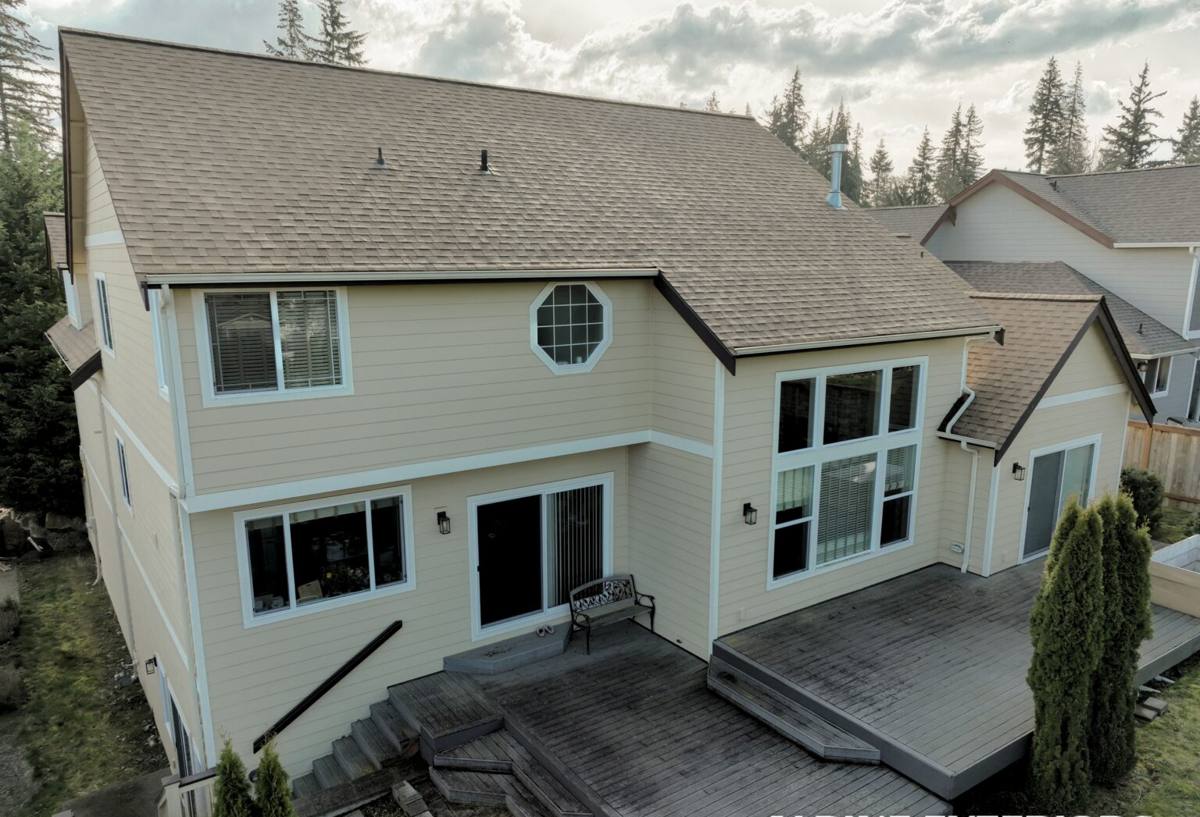
Kendall sits in the north end of Whatcom County, close enough to the foothills that weather patterns differ a bit from town-center Lynden but share the same core problem: siding here takes a beating year-round. Between the marine-influenced air moving up from Bellingham Bay, long stretches of driving rain off the Pacific systems, and a moss season that can run eight or nine months out of the year, exterior siding in this area is under near-constant moisture pressure. A siding installation done right in Kendall isn't just about appearance — it's about choosing a material and installation method that can actually shed water, resist organic growth, and hold its finish without babysitting.
We install James Hardie fiber cement siding exclusively, and we do it because we've seen what other materials do after a few Whatcom County winters. This page covers what Kendall homes specifically need from a siding job, what correct installation actually involves, and why local experience matters more than most homeowners realize.
What Kendall's Climate Does to Siding
Salt Air Reaches Further Than People Expect
Homeowners inland from the water often assume salt air is a coastal-only concern. In practice, airborne salt and moisture travel with prevailing weather systems well into Whatcom County, and combined with the region's humidity, it accelerates corrosion on fasteners, staples, and any metal trim components that aren't properly rated. It also speeds up the breakdown of cheaper paint films, which is part of why factory-applied, baked-on finishes hold up so much better here than field-applied paint over the long run.
Driving Rain Finds Every Gap
Rain in this part of Washington doesn't just fall — wind-driven storms push water sideways into wall assemblies, seams, and anything installed too tight to the ground or trim. If house wrap, flashing, and siding clearances aren't done correctly, water gets behind the cladding long before a homeowner ever sees a visible stain. Once moisture is trapped behind siding, the sheathing and framing underneath are what actually pays the price — not the siding itself.
Moss Season Is Nearly Year-Round
Whatcom County's combination of shade, moisture, and mild temperatures gives moss and algae a long growing window — often stretching from fall through spring, with some shaded north-facing walls staying damp enough to support growth even in summer. Porous or fibrous siding materials give moss more to grip and hold onto, while a dense, factory-finished fiber cement surface gives it far less to work with.
Why This Matters More for Kendall's Housing Stock
Kendall has a mix of older rural homes, newer construction, and properties with more tree cover and shade than you'll find in denser parts of Lynden proper. More shade means slower drying time after rain, which means longer exposure windows for moisture and moss to do damage. Homes tucked near tree lines or with limited southern sun exposure need siding and installation details that account for slower dry-out — proper rainscreen gaps, correct flashing, and a material that doesn't absorb and hold water the way wood-based products can.
What a Correct Siding Installation Actually Involves
A siding job is only as good as what happens before the first board goes up. The material matters, but so does the sequence.
- Tear-off and inspection: Removing old siding to check the sheathing underneath for rot, soft spots, or existing moisture damage before covering it back up.
- Repair before cover-up: Any compromised sheathing or framing gets fixed — never sided over, since that just traps the problem.
- Weather-resistive barrier: A correctly lapped and sealed house wrap or building paper, installed so water sheds down and out, not into seams.
- Flashing at every penetration: Windows, doors, hose bibs, vents, and any other wall penetration need proper flashing integrated with the water-resistive barrier — this is where most water intrusion problems actually start.
- Rainscreen or drainage gap: A small air gap behind the siding lets any moisture that does get behind the cladding drain and dry instead of sitting against the wall.
- Correct fastening: Manufacturer-specified nails or screws, at the right spacing and depth — overdriven or underdriven fasteners are one of the most common causes of early siding failure.
- Proper clearances: Siding held up off decks, patios, and grade per code and manufacturer spec, so it isn't sitting in standing water or snow.
- Caulking and sealant only where specified: Modern lap siding systems are designed to shed water through overlap, not caulk — over-caulking can trap moisture instead of releasing it.
Skip or rush any one of these steps and it doesn't matter how good the siding material is — the wall assembly will fail early, usually from the inside out where nobody sees it until it's expensive.
Why We Only Install James Hardie
We made a decision to standardize on James Hardie fiber cement siding across every job we do, including here in Kendall, and it comes down to how the product performs against exactly the conditions described above.
| Concern | How Hardie Addresses It |
|---|---|
| Moisture absorption | Fiber cement doesn't swell, rot, or delaminate the way wood-based or wood-fiber siding products can when repeatedly wet |
| Finish durability in salt/humid air | ColorPlus factory finish is baked on under controlled conditions, resisting fade and chipping better than field-applied paint |
| Moss and algae resistance | Dense cement composition gives organic growth less to root into compared to more porous or fibrous materials |
| Fire exposure | Non-combustible core material, which matters given regional wildfire smoke and ember exposure in recent years |
| Long-term warranty | Manufacturer-backed, transferable warranty on both the substrate and the factory finish |
James Hardie also engineers specific product lines (HZ5, HZ10) for different climate zones, meaning the exact board we install accounts for freeze-thaw cycling and moisture exposure levels typical to the Pacific Northwest — it's not a one-size-fits-all national product.
Why We Don't Install Other Options
We get asked about vinyl, LP SmartSide, and other fiber cement or engineered wood alternatives regularly. Vinyl is inexpensive and low-maintenance in mild climates, but it can become brittle in cold snaps, and it doesn't hold color or resist impact the way fiber cement does. Engineered wood products have improved over the years, but they're still wood-based at the core, meaning they're more sensitive to sustained moisture exposure than fiber cement — a real liability in a climate where things stay damp for months at a time. We're not saying every other product is a bad product everywhere; we're saying that for Whatcom County's specific mix of rain, salt air, and moss, fiber cement is the material we're comfortable standing behind long-term, which is why it's the only thing we install.
Our Installation Process for Kendall Projects
- On-site assessment: We walk the property, check existing siding and sheathing condition, and note shade patterns, drainage, and exposure that affect the install plan.
- Material and color selection: Homeowners choose from Hardie's ColorPlus palette and board profile (lap, shingle, panel) based on the home's style and HOA or neighborhood expectations where relevant.
- Written scope and timeline: A clear plan covering tear-off, repairs anticipated, weather barrier, flashing details, and fastening schedule — no vague line items.
- Tear-off and sheathing repair: Old material removed, substrate inspected and repaired as needed before anything new goes on.
- Weather barrier and flashing installation: Done to manufacturer and code spec, with particular attention to window and door penetrations.
- Hardie installation: Boards installed with correct fastening, clearances, and rainscreen detailing.
- Final walkthrough: We review the completed job with the homeowner before calling it finished.
Cost Factors for Kendall Siding Projects
Every home is different, but a few factors consistently move the price on siding jobs in this area:
| Factor | Why It Matters |
|---|---|
| Existing sheathing condition | Hidden rot or moisture damage found during tear-off adds repair scope before new siding can go on |
| Home size and wall complexity | More corners, gables, and dormers mean more cutting, flashing, and labor time |
| Siding profile chosen | Lap, shingle, and panel styles have different material and labor costs |
| Access and site conditions | Tree cover, slope, and driveway access around Kendall properties can affect staging and scaffolding needs |
| Trim and accessory work | Fascia, soffit, and trim replacement done alongside siding adds scope but avoids mismatched materials later |
What to Check Before Hiring for a Kendall Siding Job
- Does the crew have documented experience with James Hardie installation specifically, not just general siding work?
- Will they inspect and repair sheathing before installing new siding, not just cover over it?
- Do they detail their flashing and weather barrier approach in writing, not just "we'll handle it"?
- Are they familiar with local permitting and code requirements for Whatcom County?
- Do they understand the practical difference moss exposure and shade patterns make on a specific property?
- Is the warranty they offer backed by the manufacturer, not just a verbal promise from the contractor?
Why Local Experience in This Area Matters
A crew that already works Kendall and the surrounding Lynden area has seen firsthand how houses in specific microclimates here age — which walls hold moss longest, which orientations take the worst wind-driven rain, and where sheathing tends to show damage first. That kind of pattern recognition doesn't come from a general contractor's résumé; it comes from doing this specific work, in this specific county, on homes dealing with this specific combination of salt air, rain, and shade. It shows up in fewer surprises during tear-off and a finished install that's built for how this area actually behaves, not how a national installation guide assumes it behaves.
If you're planning a siding project in Kendall or anywhere around Lynden, we're happy to take a look at your home and walk you through what we'd recommend — no pressure, no obligation. Request a free estimate below and we'll go from there.