 Lynden
 Blaine's Siding Has a Harder Job Than Most
Blaine sits right on Semiahmoo Bay, and that coastal position changes what siding has to deal with compared to homes further inland. Salt-laden air moves off the water and settles on exterior surfaces year-round, driving rain comes in sideways off Georgia Strait weather systems, and the north Whatcom County climate keeps humidity high enough, long enough, that moss and algae get a real foothold on anything that stays damp for more than a day or two. Lynden and the surrounding valley see a milder version of the same pattern — less direct salt exposure, but the same relentless wet season and the same moss pressure on north-facing walls and shaded siding runs.
Siding that isn't built or installed for that combination doesn't fail overnight. It fails slowly — swelling at butt joints, delaminating at the face, holding moisture behind the cladding where nobody can see it until the sheathing underneath is already compromised. By the time it's visibly wrong, the damage is usually a few years old.
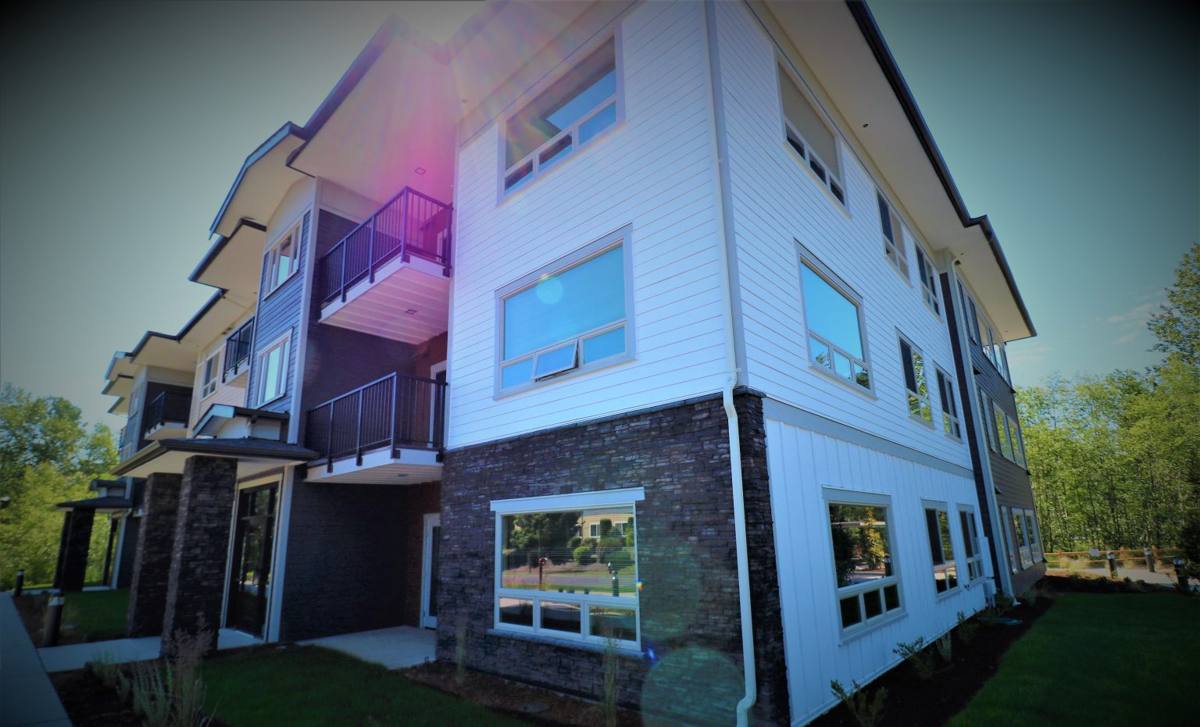
What Salt Air, Driving Rain, and Moss Actually Do to Siding
Salt air
Airborne salt is corrosive to exposed fasteners, trim flashing, and any metal accents on the exterior. On the siding itself, salt residue holds moisture against the surface longer than plain rainwater would, which accelerates whatever failure mode the material is already prone to — swelling in engineered wood, chalking and fading in lower-grade paint finishes, pitting in untreated fasteners.
Driving rain
Wind-driven rain doesn't just wet the face of the siding — it gets pushed up under laps, into gaps at trim and window returns, and behind poorly sealed penetrations. This is a water-management problem as much as a material problem. Good siding on a poorly detailed wall will still leak. The house wrap, flashing, and lap sequencing matter as much as the panel itself.
Moss and algae
Whatcom County's wet season is long enough that any siding surface holding moisture — north walls, areas shaded by trees or neighboring structures, low horizontal trim — will grow moss and green algae film if the material and finish don't resist it. Beyond the cosmetic issue, moss holds water against the siding surface, which compounds the two problems above.
Signs a Blaine or Lynden Home Needs Siding Replacement
- Soft, spongy, or crumbling spots when you press on the siding, especially near the bottom courses and around windows
- Visible swelling or puffiness at panel edges and seams — a classic sign of moisture getting into engineered wood or composite siding
- Paint that's failing faster than a normal repaint cycle, or that won't hold a new coat at all
- Persistent moss or algae staining that comes back within a season of cleaning
- Warping, cupping, or visible gaps opening up between boards or panels
- Rising interior humidity, musty smells near exterior walls, or unexplained increases in heating costs
- Rot or soft wood found when trim boards or corner boards are removed for any other repair
Any one of these on its own might be a spot repair. Several at once, especially on a home more than 15-20 years old, usually means the water-resistive barrier behind the siding has been compromised and a full replacement is the honest answer.
What a Correct Siding Replacement Involves
Replacing siding well in this climate is not just swapping old panels for new ones. The work that matters most is the layer nobody sees once the job is done.
Tear-off and wall inspection
Full removal of the old siding down to the sheathing, with a real inspection of what's underneath — soft sheathing, rot at wall penetrations, and compromised framing all get found and addressed here, not covered over.
Water-resistive barrier and flashing
A correctly lapped house wrap, properly flashed windows and doors, and flashing at every horizontal transition — this is the system that actually keeps driving rain out of the wall assembly. It has to be sequenced correctly (upper layers over lower layers, everywhere) or it fails exactly where a coastal storm will find it.
Fastening and gapping to spec
Fiber cement siding has manufacturer-specified nailing patterns, gap tolerances at butt joints, and clearance requirements above grade, decks, and roof lines. Skipping these to save labor time is the single most common reason siding fails early — it's rarely the material's fault.
Trim, caulking, and finish details
Corner boards, window and door trim, and caulking at penetrations are where most water intrusion actually starts. These details get the same attention as the field siding, not treated as an afterthought.
Why We Only Install James Hardie Fiber Cement
Given what Blaine's coastal exposure and Whatcom County's wet season do to exterior materials, we made a standing decision: we install James Hardie fiber cement siding and nothing else. Not vinyl, not LP SmartSide or other engineered wood products, not primed spruce or cedar, not other fiber cement brands. That's not a marketing position — it's a decision about what holds up correctly, installed to spec, in this specific climate over decades rather than years.
Fiber cement is non-combustible, doesn't absorb and swell with moisture the way wood-based products can, and Hardie's ColorPlus factory finish is baked on and warranted separately from the substrate — which matters directly for moss and algae resistance and long-term color hold in a marine environment. Hardie also engineers regional HZ product lines specifically for climate zones like ours, and backs the material with a strong transferable warranty. We'd rather install one product correctly and stand behind it fully than offer a menu of options with different trade-offs and risks.
How the common alternatives compare in this climate
| Material | Moisture behavior | Moss/algae resistance | Coastal durability |
|---|---|---|---|
| James Hardie fiber cement | Doesn't swell or rot; dimensionally stable when wet | Factory finish engineered to resist growth | Built for marine and high-humidity climate zones |
| Vinyl siding | Sheds water but traps moisture behind panels if not detailed well | Can grow moss/algae in shaded, damp areas | Can warp or become brittle with age and UV exposure |
| Engineered wood (LP SmartSide, etc.) | Wood-based core is vulnerable to swelling if the finish is breached | Susceptible if moisture gets past the coating | Performance depends heavily on maintaining an intact finish |
| Primed spruce or cedar | Natural wood movement; needs an intact paint film to resist water | Prone to moss/algae without regular maintenance | Requires the most ongoing upkeep in wet, salt-air conditions |
None of these are bad materials in the right application. But given what we see on coastal and near-coastal homes in this county, we decided we'd rather not install products whose long-term performance here depends heavily on a maintenance schedule most homeowners don't keep up with for 20-plus years.
Our Process for a Blaine Siding Replacement
- On-site assessment — we look at the existing siding, wall assembly, and any moisture damage already present, and talk through what we find in plain terms.
- Written estimate — scope, product line, color, and price, with no pressure to sign on the spot.
- Tear-off and inspection — old siding comes off, sheathing and framing get inspected, and we flag anything that needs repair before new siding goes on.
- Water management install — house wrap and flashing sequenced correctly around every window, door, and penetration.
- Hardie siding install to spec — correct nailing pattern, gap tolerances, and clearances, on every wall, not just the visible ones.
- Trim, caulk, and final walkthrough — finish details completed and reviewed with you before we consider the job done.
Why a Crew That Already Works Blaine and Lynden Matters
Siding installed correctly for a dry inland climate can still underperform on a home exposed to Semiahmoo Bay's salt air and wind-driven rain, and the reverse is also true — over-building for coastal exposure on an inland Lynden home wastes money. A crew that works this specific stretch of Whatcom County regularly already knows which walls take the worst of the weather, where moss shows up first, and how far back the wet season really runs here. That's the difference between a crew reading a spec sheet and one that's watched how these details actually perform through a few winters on homes near yours.
Cost Factors for Siding Replacement in This Area
| Factor | Why it matters here |
|---|---|
| Home size and wall complexity | More corners, dormers, and trim details mean more labor and material |
| Extent of existing damage | Rotted sheathing or framing found during tear-off adds repair scope |
| Siding profile and accessories | Lap width, trim style, and accent choices affect material cost |
| Site access and exposure | Coastal-facing walls near Blaine may need extra flashing detail at grade and penetrations |
| Tear-off and disposal | Full removal of old material versus a lighter scope changes labor time |
We don't quote a number without seeing the house — anyone who does is guessing. What we can say honestly is that a full tear-off-and-replace with correctly detailed water management costs more upfront than a quick re-side over existing material, and it's the difference that actually protects the house long-term.
Maintenance After Replacement
James Hardie siding installed correctly needs far less upkeep than wood-based alternatives, but "less" isn't "none." A yearly rinse to clear salt residue and any early moss growth, prompt attention to caulking at trim and penetrations, and keeping vegetation trimmed back from north-facing walls will keep the finish performing the way it's warranted to. None of that compares to the paint cycles and moisture vigilance that wood-based or lower-grade products demand in this climate.
If your Blaine or Lynden home is showing any of the signs above, or you're just planning ahead, we're happy to take a look and give you a straightforward, no-pressure estimate — use the form below to get started.