 Lynden
 Sumas Sits in a Tough Spot for Exterior Siding
Sumas is a small community near Lynden, tucked close to the Canadian border in Whatcom County, and it takes weather from more than one direction. Marine air off Bellingham Bay and the Strait of Georgia pushes inland through the county's low valleys, carrying salt-tinged moisture with it. Add the driving rain that comes off the Pacific through the fall and winter, and a long stretch of gray, damp months where moss and algae get a running start on any north-facing wall, and you've got a climate that is genuinely hard on siding. This isn't a place where a mediocre install just looks a little tired after a decade — it's a place where the wrong product or a sloppy install shows real damage.
Homes in and around Sumas that were sided with vinyl, untreated wood, or lower-grade composite products tend to show the same pattern: fading and warping on the sun-exposed sides, soft spots and staining where rain doesn't drain away cleanly, and moss creeping up from the ground line by year three or four. Fiber cement siding, installed correctly, is built to hold up against that combination — but "installed correctly" is doing a lot of work in that sentence, and it's the part most homeowners never get a straight answer on.
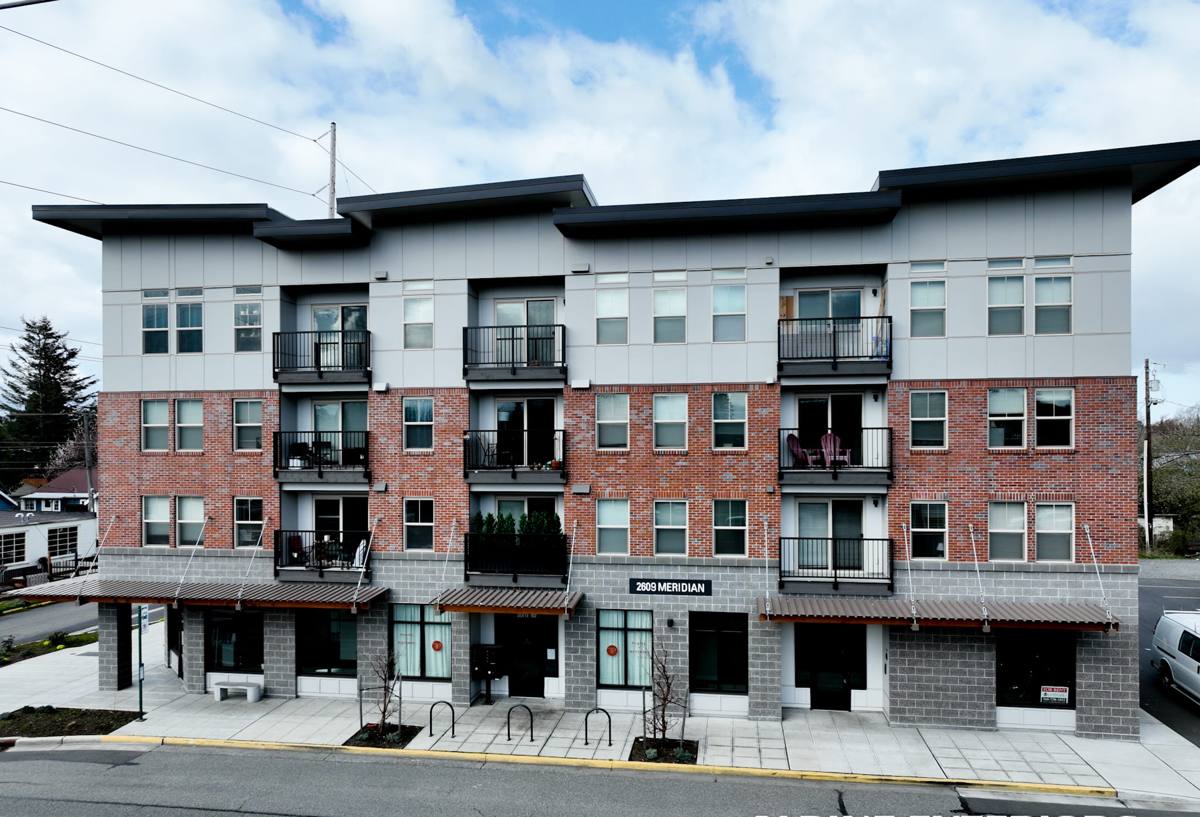
What Siding Actually Needs to Do on a Sumas Home
Before talking about products or installation steps, it helps to be specific about what the siding on a Sumas house is actually being asked to survive year after year:
- Repeated wetting and drying cycles from driving rain, without the material swelling, cupping, or losing its finish
- Salt-influenced moisture in the air, which accelerates corrosion on fasteners and metal trim if the wrong hardware is used
- Months of low sun angle and shade on north and east walls, where moss and mildew get a foothold and stay there
- Wind-driven rain finding its way behind siding at joints, corners, and penetrations — windows, vents, hose bibs — if flashing and sealant details are wrong
- Temperature swings between damp winters and warmer, drier summers that stress caulked joints and paint film
None of this is exotic. It's ordinary Pacific Northwest weather. But it's relentless, and siding that isn't engineered and installed for it will show the wear within a handful of years instead of holding up for decades.
Why We Only Install James Hardie Fiber Cement
We install James Hardie fiber cement siding exclusively — we don't install vinyl, LP SmartSide, primed spruce, cedar, or other fiber cement brands. That's a deliberate standard, not a sales preference. Hardie's HZ5 product line is engineered specifically for climates like Whatcom County's: freeze-thaw cycling, sustained damp, and wind-driven rain. The fiber cement itself is non-combustible and dimensionally stable, meaning it doesn't expand, contract, warp, or rot the way wood-based products can when they take on repeated moisture.
The factory-applied ColorPlus finish matters just as much as the substrate. A baked-on finish resists the fading and chalking that field-painted or primed products show within a few years around here, and it holds up against the mildew and algae growth that this climate practically guarantees on north-facing walls. Combined with Hardie's transferable warranty, it's a system we're comfortable standing behind on every home we side — including homes that catch the worst of what a Whatcom County winter throws at them.
What a Correct Fiber Cement Installation Actually Involves
Moisture Management Behind the Siding
Fiber cement is only as good as the water management system behind it. That means a properly installed weather-resistive barrier, correctly lapped and taped seams, and flashing at every window, door, and penetration that directs water out and down rather than letting it track behind the cladding. This is the step that's invisible once the siding is up — and it's also the step that determines whether a house stays dry for thirty years or develops hidden rot behind a wall that looks fine from the street.
Clearances and Fastening
Hardie's specifications call for minimum clearances above rooflines, decks, and grade, and for specific gaps at butt joints to allow for the material's minor seasonal movement. Fasteners need to be corrosion-resistant and driven to the manufacturer's depth and spacing — over-driven or under-driven nails are one of the most common causes of premature siding failure, and it's a detail that's easy to rush on a job priced too low or crewed too thin.
Caulking and Joint Detailing
Every joint, corner, and trim intersection needs the right sealant, applied correctly, or it becomes the first place water gets in. In a climate with this much sustained rain, joint detailing isn't a finishing touch — it's a functional part of the water management system.
Our Process, Start to Finish
Assessment and Estimate
We start with an on-site look at the home's current siding, trim, and any signs of existing moisture damage — soft spots, staining, or rot that needs to be addressed before new siding goes on. You get a written estimate that reflects what your specific home needs, not a generic per-square-foot number.
Prep and Moisture Barrier
Old siding comes off, sheathing is inspected and repaired where needed, and a new weather-resistive barrier goes on with properly lapped seams and flashed penetrations. This is the stage that gets skipped or rushed on lower-bid jobs, and it's the stage that matters most for a house dealing with driving rain and prolonged dampness.
Installation
Hardie panels or lap siding go on to manufacturer spec — correct clearances, correct fastener pattern, correct joint gaps and sealant. Trim, corners, and any accent details are installed to match, with attention to how each transition sheds water.
Final Walkthrough
We walk the finished job with you, check the details up close, and make sure everything is caulked, painted where needed, and clean before we consider the job done.
What Drives the Cost on a Sumas Job
Every home is different, but the same handful of factors move the price up or down on most fiber cement siding jobs in this area:
| Factor | Why It Matters |
|---|---|
| Existing wall condition | Rot or moisture damage behind old siding adds repair work before new siding can go on |
| Home size and wall complexity | More corners, gables, and trim details mean more labor and material cuts |
| Siding profile chosen | Lap siding, panel siding, and shingle-style profiles carry different material and labor costs |
| Trim and accent work | Window and door trim, fascia, and accent bands add to both material and install time |
| Access and site conditions | Tight lots, multi-story walls, or landscaping obstacles affect staging and labor time |
We don't publish blanket per-square-foot pricing because it tends to be misleading once a home's actual condition is factored in — an accurate number comes from seeing the house.
Why a Local Crew Matters More Than It Sounds
A crew that already works Lynden, Sumas, and the surrounding Whatcom County towns isn't guessing at how this climate treats a house — they've seen it firsthand, on homes down the road, in the same weather patterns. That matters for practical reasons: knowing which walls in this area tend to take the worst of the driving rain, understanding how moss and moisture behave on shaded north walls through a Pacific Northwest winter, and being available for warranty follow-up or a question a year or two after the job is done, rather than being a crew that installed siding here once and moved on to the next region.
It also means straightforward accountability. A local business with a reputation in the community has a real incentive to do the flashing, fastening, and joint work correctly the first time — not just to pass a final walkthrough, but because the house is still standing in the same town next winter.
Living With Fiber Cement Siding Here: Maintenance That Actually Matters
Correctly installed Hardie siding is low-maintenance, not no-maintenance. In a moss-prone, high-moisture climate, a little attention goes a long way toward protecting the investment:
- Rinse siding down once or twice a year, especially on shaded north and east walls where moss and algae take hold first
- Keep gutters clear so overflow doesn't run down the siding face or pool at the base of walls
- Trim back landscaping and tree cover that keeps siding shaded and damp longer than it needs to be
- Check and refresh exterior caulking at joints and trim every few years, since sealant wears out well before the siding does
- Watch for any soft spots, staining, or paint failure at the base of walls, which can signal a flashing or drainage issue worth catching early
None of this is heavy lifting, but it's the difference between siding that looks new for decades and siding that starts showing this area's weather within a few years.
Get a Straight Answer for Your Home
If you're weighing siding options for a home in or around Sumas, we're happy to take a look, walk you through what your walls actually need, and give you an honest, no-pressure estimate — no generic pricing, no upsell on a product we wouldn't put on our own homes. Reach out through the form below and we'll set up a time to come by.