 Lynden
 Metal Roofing Built for Sumas Weather
Sumas sits at the north edge of Whatcom County, tucked against the foothills near the Canadian border, and it gets the same wet, gray weather pattern that defines this whole corner of Washington. Homes here see long stretches of steady rain from fall through spring, heavy morning dew even in summer, and enough shaded, moisture-holding roof surface to grow moss almost year-round if nothing is done about it. Add the region's marine-influenced air moving in off the Sound and the Nooksack valley, and you've got a climate that is genuinely hard on roofing materials over a 20 to 30 year span.
Metal roofing holds up to that combination better than most alternatives, but only when it's specified and installed correctly for this specific environment. A metal roof panel is not a generic product — the underlayment, fastener choice, flashing detail, and ventilation plan all have to account for how much water this roof will see and how long moss season really runs here. This page covers what that looks like in practice for a Sumas home.
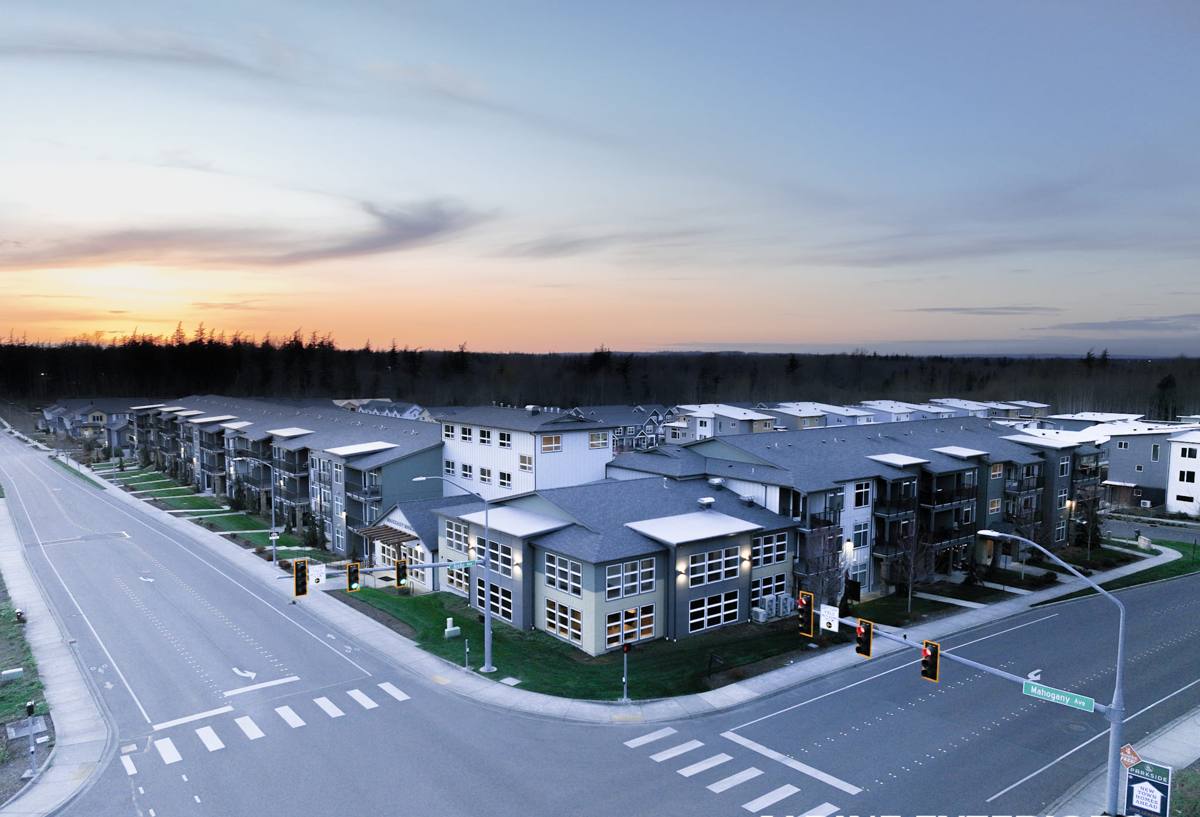
What Sumas's Climate Actually Does to a Roof
Driving Rain and Wind-Driven Moisture
Whatcom County storms often come with wind, which pushes rain sideways into laps, valleys, and penetrations rather than letting it simply run off. On a roof with weak flashing or underlayment, that wind-driven moisture finds its way under the roofing surface instead of over it. Metal roofing's continuous panel runs and sealed seams handle this well, but only if the flashing at valleys, chimneys, and wall transitions is detailed for wind-driven conditions, not just straight-down rain.
A Long Moss Season
Shaded, north-facing, or tree-covered roof sections in this region can stay damp for weeks at a time. Moss and algae take hold quickly on porous or textured roofing materials, and once established, moss holds moisture against the roof surface and works into seams and fastener penetrations. Metal roofing gives moss very little to grip onto compared to shingles or shakes, which is one of the main reasons it performs well long-term in shaded Sumas lots.
Salt-Tinged Regional Air
Sumas is inland from the coast, but the broader Whatcom County weather system still carries some salt-tinged moisture off the Sound, especially during wet, windy stretches. That matters for metal roofing because not every metal, fastener, and finish resists corrosion equally. Choosing the right coating and fastener package protects against slow, unseen corrosion at cut edges and screw heads — the kind of damage that doesn't show up until years later.
Freeze-Thaw Cycling
Whatcom County doesn't see extreme cold most winters, but it does see repeated freeze-thaw swings — nights near freezing followed by wet, above-freezing days. Water that gets trapped anywhere in a roofing system expands and contracts through these cycles, which is exactly how small leaks become bigger problems. A correctly installed metal roof sheds that water before it ever gets the chance to sit and freeze.
Metal Roofing Material Options
Not all metal roofing is the same product wearing different colors. The panel profile, gauge, and finish all affect how a roof performs in a climate like this one.
| Option | Best For | Trade-Offs |
|---|---|---|
| Standing seam steel | Homes wanting a clean, low-maintenance long-term roof | Higher upfront cost than exposed-fastener panels; needs a skilled crew for tight seams |
| Exposed-fastener steel | Budget-conscious projects, outbuildings, additions | Fasteners can loosen over time and need periodic checking |
| Aluminum panels | Areas with heavier moisture exposure | Naturally corrosion-resistant, but softer and more prone to dents |
| Stone-coated steel | Homeowners wanting a shingle or shake look with metal durability underneath | More installation detail work; higher material cost |
For most Sumas homes, standing seam steel with a quality Kynar or similar baked-on finish is the strongest all-around match for the climate — it sheds water cleanly, resists moss, and holds its finish through repeated wet-dry cycles. That said, the right choice depends on the roof's pitch, exposure, and what the homeowner is trying to solve, which is why we walk the roof before recommending a specific system.
What a Correct Metal Roof Installation Actually Involves
Metal roofing has a reputation for being low-maintenance, and it earns that reputation — but only when it goes on correctly. A rushed or under-detailed metal roof can fail faster than a well-installed asphalt roof. The parts that matter most:
- Solid decking: Any soft, rotted, or delaminated sheathing gets replaced before a single panel goes down — metal amplifies, not hides, a weak deck.
- Synthetic underlayment: A high-quality synthetic or self-adhered underlayment gives a second line of defense against wind-driven rain and ice-dam-style backup during cold snaps.
- Ventilation: Proper ridge and soffit venting keeps moisture from condensing on the underside of metal panels, which is a common cause of hidden deck rot in humid climates like this one.
- Fastener selection: Fasteners matched to the panel metal (to avoid galvanic corrosion) and installed at the correct torque — overdriven screws crush washers and create leak paths.
- Flashing detail: Custom-bent flashing at valleys, walls, chimneys, and penetrations, not generic stock pieces forced to fit.
- Panel expansion allowance: Metal expands and contracts with temperature swings; panels and clips need to be installed so that movement doesn't stress seams or fasteners over time.
Our Process on a Sumas Metal Roofing Project
1. On-Site Roof Assessment
We walk the roof and attic, check the decking condition, note shaded and moss-prone sections, and look at existing ventilation. This tells us what the roof actually needs, not just what it looks like from the ground.
2. Straightforward Recommendation
We explain panel options, coating choices, and what each one means for this specific home — no upsell to a system the roof doesn't need. If a repair or targeted section replacement solves the problem, we'll say so.
3. Detailed, Written Estimate
The estimate lays out material, labor, flashing, ventilation work, and timeline in plain language, so there are no surprises once the crew is on the roof.
4. Tear-Off and Deck Prep
Old roofing comes off, decking gets inspected board by board, and any compromised sheathing is replaced before underlayment goes down.
5. Underlayment, Flashing, and Panel Installation
Underlayment first, then custom-fabricated flashing, then panels installed to manufacturer spec with proper fastening and expansion allowance.
6. Final Walkthrough
We inspect seams, flashing, and fastener lines with the homeowner before calling the job done, and go over basic care so the roof performs the way it's supposed to for decades.
Cost Factors for a Sumas Metal Roof
Metal roofing costs more upfront than asphalt shingles, but the honest comparison has to include lifespan, maintenance, and moss-related upkeep over time. Broad factors that move the price:
| Factor | Why It Matters |
|---|---|
| Roof size and pitch | Steeper or more complex roofs take longer to install and use more flashing detail |
| Panel type | Standing seam runs higher than exposed-fastener panels due to labor and material |
| Deck condition | Rot or soft sheathing found during tear-off adds repair cost before installation continues |
| Number of penetrations | Chimneys, vents, and skylights each require custom flashing work |
| Ventilation upgrades | Older homes often need ridge or soffit vent improvements added during the project |
We don't quote a per-square-foot number without seeing the roof — pitch, penetrations, and deck condition swing the price too much for a blind estimate to be honest.
Maintenance That Actually Matters
Metal roofing needs far less attention than shingles, but "low-maintenance" isn't "no-maintenance," especially with a moss season this long. A simple annual routine keeps a metal roof performing for its full lifespan:
- Clear gutters and downspouts before the fall rains start, so water has somewhere to go
- Rinse off accumulated debris in shaded valleys where moisture tends to sit
- Check for any loose or missing fasteners on exposed-fastener systems
- Look at flashing around chimneys and penetrations for gaps after major windstorms
- Trim back overhanging branches that keep sections of the roof shaded and damp
Why Hire a Crew That Already Works in Sumas
A metal roof installed by a crew unfamiliar with this climate can still fail in ways that are entirely preventable — under-vented decks, generic flashing that doesn't account for wind-driven rain, or fastener choices that corrode faster than they should in this region's air. Crews who work Whatcom County roofs regularly already know which details matter here and don't treat this as a one-size-fits-all install.
There's also a practical side to hiring local: warranty support, follow-up service, and honest answers when a homeowner calls with a question two years after installation are all easier when the crew isn't working out of another region entirely.
Signs It's Time to Consider a Metal Roof
Not every roof needs to be replaced with metal, but certain signs point toward it being worth a serious look:
- Recurring moss growth that comes back within months of cleaning
- Shingles that are curling, cracking, or losing granules on shaded sections
- Visible sagging or soft spots that suggest deck moisture damage
- A roof approaching or past its expected lifespan with multiple past repairs
- A desire to stop dealing with moss treatment and roof cleaning on a recurring basis
If any of that sounds familiar, it's worth having someone look at the roof before winter rains find the weak spots for you.
If you're weighing a metal roof for a Sumas home, we're happy to take a look and give you a straight answer about what your roof actually needs — no pressure, no upsell. Use the form below to request a free estimate.