 Lynden
 Windows Built for Abbotsford's Weather, Not Just the Opening
Abbotsford sits close enough to the water and the Fraser Valley weather patterns that homes here take a beating most inland communities never see. Salt-laden air off the coast, long stretches of driving rain, and a moss season that can run half the year all work against a window that wasn't installed with this climate in mind. A window that performs fine in a dry, sheltered spot can fail early here — not because the glass or frame is bad, but because the install didn't account for what Abbotsford actually throws at a house.
We work this area regularly, and the pattern is consistent: window failures around here are almost never about the window unit itself. They're about flashing, sealant, sill pitch, and drainage details that get rushed or skipped. Custom windows done right in Abbotsford means matching the opening, the wall assembly, and the exposure of that specific wall to a window and installation method that can actually shed the moisture load this region produces.
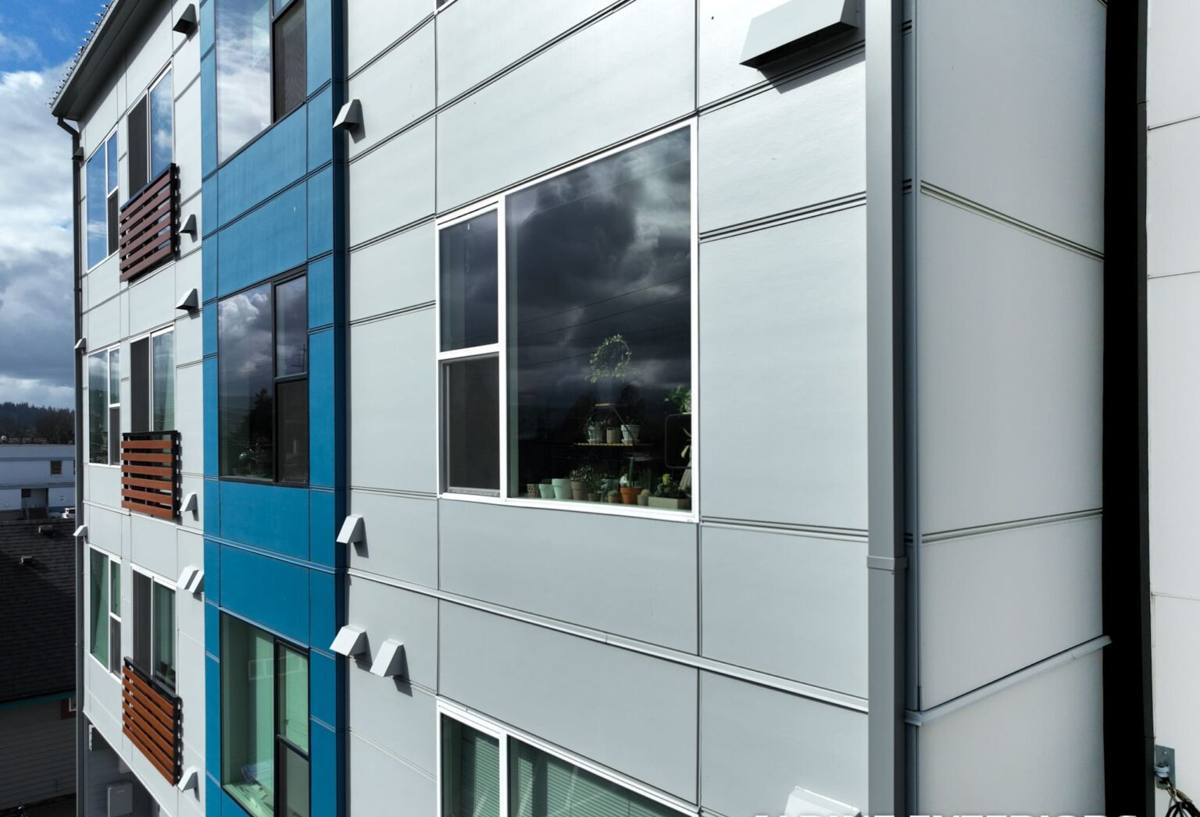
What "Custom" Actually Means Here
Custom windows aren't just about unusual shapes or oversized openings, though we handle both. In older and mixed-construction homes around Abbotsford, "custom" usually means one of these situations:
- Non-standard rough openings from additions, renovations, or older framing that doesn't match today's standard sizes
- Replacing a single failed window without disturbing siding or trim on the rest of the wall
- Matching sightlines and grille patterns across a home where windows were replaced piecemeal over the years
- Specialty shapes — arched, angled, or oversized units for a specific room or view
- Upgrading glazing and frame material specifically to handle a north-facing or wind-exposed wall that dries slower and takes more direct rain
Every one of these needs the same underlying discipline: correct measurement, correct flashing sequence, and materials matched to the wall's actual exposure — not a generic spec sheet.
Why the Wall Assembly Matters as Much as the Window
A window is only as good as the wall it's set into. If the water-resistive barrier, flashing tape, and sill pan underneath aren't done correctly, even a premium window will let moisture track into the wall cavity over time. In a climate with this much sustained rain and humidity, that trapped moisture doesn't just cause staining — it feeds rot and, eventually, the kind of moss and mildew growth that shows up on siding and trim near window openings first.
Reading the Local Climate: What Abbotsford Homes Are Up Against
| Climate Factor | Effect on Windows | What We Do About It |
|---|---|---|
| Salt-influenced air (coastal proximity) | Accelerates corrosion on hardware, fasteners, and unprotected metal flashing | Corrosion-resistant hardware and flashing specs, especially on exposed elevations |
| Driving rain / wind-driven exposure | Pushes water past standard sill details on exposed walls | Sloped sill pans, back-dam details, and properly lapped flashing |
| Long moss/shade season | Sustained moisture and organic growth around frames and sills | Drainage gaps, breathable sealant choices, and drip-edge details that shed water instead of holding it |
| Temperature swings across seasons | Frame and sealant expansion/contraction stresses joints over time | Flexible, UV-stable sealants and frame materials chosen for movement tolerance |
None of these factors are dramatic on their own. It's the combination — and the years of exposure — that separates a window installation that lasts two decades from one that starts leaking in five.
Our Process for Custom Window Jobs in Abbotsford
1. On-Site Assessment
We start by looking at the actual wall, not just the window opening. That means checking the condition of the existing sheathing and framing once the old unit is out (or, for new openings, confirming the framing is square and properly sized), noting which elevation the window faces, and flagging any existing moisture or moss staining that tells us how that wall has been performing.
2. Measuring and Ordering
Custom openings get measured in multiple places — width and height can vary by a surprising amount in older framing. We order to the actual opening, not a rounded-off standard size, and we build in the clearance needed for proper shimming and flashing rather than forcing a tight fit that leaves no room for a correct seal.
3. Removal and Prep
Old units come out carefully to avoid unnecessary damage to siding or interior trim. We inspect the sill and jambs for rot or water damage at this stage — this is the point where problems that started years ago finally become visible, and it's far cheaper to address them now than after the new window is sealed in.
4. Flashing and Sill Pan Installation
This is the step that determines whether the window survives Whatcom and Fraser Valley winters. We install a sloped sill pan so any water that gets past the window sheds outward instead of pooling, lap the water-resistive barrier and flashing tape in the correct shingle-style order (top piece always over the one below it), and seal penetrations that could let wind-driven rain track sideways into the wall.
5. Setting the Window
The unit gets shimmed level and plumb, fastened per the manufacturer's schedule, and insulated around the perimeter without over-packing the gap, which can bow the frame. We check operation — opening, closing, locking — before final trim goes on.
6. Exterior and Interior Finish
Exterior trim and caulking are finished to shed water away from the frame, not trap it against it. Interior casing and sealing come last, once we've confirmed the exterior seal is sound.
Material Choices That Make Sense for This Climate
We don't push one brand or frame material as the universal answer, because the right choice depends on the wall's exposure and the homeowner's priorities. What we do insist on is being upfront about trade-offs:
- Vinyl frames are low-maintenance and cost-effective, but on south- or west-facing walls with heavy sun exposure, cheaper vinyl can warp over time — we spec heavier-gauge product on exposed elevations.
- Fiberglass frames handle temperature swings and moisture exposure well and hold paint better long-term, which matters on a home where the owner wants a specific trim color to stay true.
- Wood-clad frames give a traditional look but need a genuinely sound exterior seal, since any breach in the cladding exposes the wood core to the kind of sustained moisture this region produces — we're selective about where we recommend these.
- Aluminum frames are strong for large custom openings but conduct cold, so they need a thermal break; we don't install them without one in this climate.
We'll walk through these trade-offs against your specific wall and budget rather than defaulting to whatever's easiest to install.
Signs Your Current Windows Are Losing the Fight
- Soft or discolored trim or siding directly below or beside a window
- Moss or dark streaking forming on the sill or the wall just under the frame
- Fogging between panes on double- or triple-glazed units, meaning the seal has failed
- Drafts you can feel even with the window fully latched
- Difficulty opening, closing, or locking — often a sign the frame has shifted or swelled
- Visible daylight or gaps around the frame from outside
Any one of these on its own isn't an emergency, but on a home in this climate, they tend to compound quickly once moisture finds a way in.
Cost Factors for Custom Window Projects
Every custom job is priced around its own opening, access, and material choice, so we won't quote a number without seeing the site. What generally moves the price:
| Factor | Why It Matters |
|---|---|
| Opening size and shape | Non-standard or oversized units cost more to source and install correctly |
| Frame material | Vinyl, fiberglass, wood-clad, and aluminum carry different material and labor costs |
| Condition behind the old window | Rot or water damage found during removal adds repair scope |
| Number of windows and access | Second-story or hard-to-access units take longer to stage and install safely |
| Trim and siding tie-in | Matching existing exterior finish can add labor beyond the window itself |
Why Hiring a Crew That Already Works Abbotsford Matters
A window installer who mostly works dry, inland jobs may cut corners on flashing details that don't matter much there but matter a great deal here. We're based just across the border in Lynden and work this stretch of Whatcom County and the Abbotsford area regularly, so the flashing sequence, sill pan detail, and material choices we use aren't theoretical — they're built around what actually holds up against this specific mix of salt air, sustained rain, and moss growth season after season. That local pattern recognition is the difference between a window install that's still tight in fifteen years and one that starts showing staining in three.
Get a Straight Answer on Your Windows
If you're dealing with drafts, staining, fogged glass, or you're planning a renovation that needs a custom-sized opening, we're happy to take a look and give you an honest assessment — no pressure, no inflated scope. Fill out the form below for a free estimate on your Abbotsford-area window project.