 Lynden
 Windows Built for the Wiser Lake Microclimate
Wiser Lake sits in one of the damper corners of Whatcom County, and homes around the lake take a different kind of weather beating than a house a few miles inland in downtown Lynden. Moisture off the water, low winter sun angles that keep siding and window frames shaded and slow to dry, and long stretches of overcast, drizzly weather all add up. If your windows were installed twenty or thirty years ago, chances are the seals have failed, the frames have taken on moisture, and your heating bill is quietly paying for it every month.
Energy-efficient window replacement isn't just about comfort, though that's usually what homeowners notice first — cold drafts near the glass, condensation fogging up the inside of a pane, rooms that never quite feel warm even with the heat cranked. It's also about protecting the wall assembly behind the window from the kind of slow water intrusion that's common in this climate and expensive to fix once it's gone on for years.
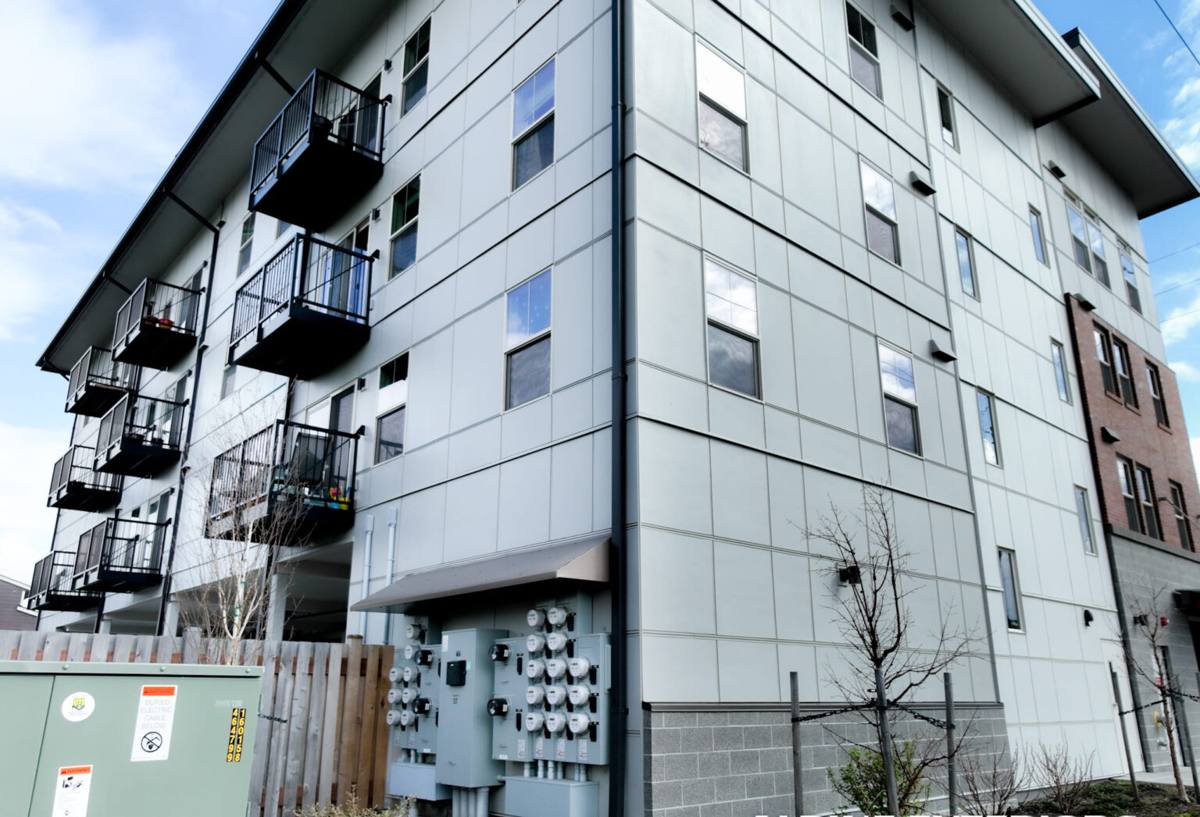
What Lynden and Whatcom County Weather Does to Old Windows
Whatcom County doesn't get extreme heat or brutal cold most winters, but it makes up for that with persistence. Rain that falls sideways in a windstorm, months of high humidity, and a moss and algae season that can run from fall through spring all work against window assemblies that weren't detailed correctly the first time.
The specific stress factors around Wiser Lake
- Driving rain: Wind off the lake and the open fields nearby pushes rain into gaps and under poorly flashed trim, not just straight down.
- Extended dampness: Shaded north and east elevations near tree lines or the water can stay damp for days after a storm, which is exactly the condition wood trim and failed seals don't tolerate well.
- Moss and organic growth: Moss holds moisture against sills and trim longer than a dry surface would, accelerating rot in wood components and staining vinyl and fiber cement.
- Temperature swings at the glass: Cool, moist air against warm interior glass is a recipe for condensation, which over time can migrate into the frame and sash.
None of this means Wiser Lake is a uniquely hostile place to own a house — it's a normal part of living in this part of Whatcom County. But it does mean the products and installation details that work fine in a drier climate can fall short here.
Signs Your Windows Are Costing You Money
Most homeowners don't replace windows because they woke up and decided to — they replace them because something started bothering them. Here's what we hear most often from people around Lynden and the lake.
- Visible fog or moisture trapped between panes of double-glazed glass — a sign the seal has failed and the insulating gas or air gap is gone.
- Noticeable draft near the window frame even with it fully closed and locked.
- Wood trim or sills that feel soft, look discolored, or have visible rot at the corners.
- Windows that are difficult to open, close, or lock — often a sign the frame has swelled from moisture or shifted.
- Rooms that are noticeably harder to heat or cool than the rest of the house.
- Rising heating bills without any other explanation.
Any one of these on its own might not mean much. Two or three together, especially on the same window or the same side of the house, usually means it's time to take a closer look.
What "Energy-Efficient" Actually Means for This Climate
Energy-efficient window is a broad label, and not every product marketed that way performs the same in a maritime Pacific Northwest climate. For Whatcom County, we're less worried about extreme summer heat gain and more focused on keeping conditioned air in, keeping moisture out, and making sure the frame material can handle sustained dampness without degrading.
What we look at on every job
- U-factor: How well the window resists heat transfer. Lower is better for our climate, since we're heating homes far more months than we're cooling them.
- Frame material and moisture tolerance: Vinyl and fiberglass frames generally handle the wet cycle here better than bare wood, which needs consistent maintenance to avoid rot.
- Glazing package: Double-pane with a low-E coating and argon fill is the standard baseline we recommend for most homes in this area; triple-pane can make sense on north-facing or particularly exposed walls.
- Air infiltration rating: A well-built window with a poor installation still leaks air — this is where installation quality matters as much as the product spec sheet.
Comparing common frame options for a Wiser Lake home
| Frame Type | Moisture Tolerance | Maintenance | Typical Fit |
|---|---|---|---|
| Vinyl | Very good — won't rot, resists swelling | Low — occasional cleaning | Most homes; strong value for the climate |
| Fiberglass | Excellent — very stable in wet/dry cycles | Low | Homes wanting extra durability or larger window spans |
| Wood (clad exterior) | Good on the clad side, needs interior care | Moderate to high | Homes prioritizing a traditional wood interior look |
| Aluminum | Poor thermal performance, prone to condensation | Low | We generally don't recommend for primary living spaces here |
We won't push a frame material that fights the climate just because it's popular elsewhere. Our standard is picking what holds up in Whatcom County conditions, not what's easiest to sell.
How We Approach a Wiser Lake Window Job
Replacing a window is more than pulling the old unit and setting a new one in the same hole. The parts most homeowners never see — flashing, sill pan, air sealing — are what determine whether the new window actually stops the moisture problems the old one had.
Our process, step by step
- On-site assessment: We look at each window's condition, the wall assembly behind it, and any existing water staining or rot before recommending anything.
- Product selection: We walk through frame material, glazing package, and style options based on your budget and how exposed that particular wall is to wind-driven rain.
- Removal and inspection: Once the old window is out, we check the rough opening for hidden rot or moisture damage — this is often where problems that caused the original failure get found.
- Sill pan and flashing: We install proper sloped sill pan flashing and integrate it with the wall's water-resistive barrier so water is directed out, not trapped.
- Set and seal: The new window is set level and plumb, mechanically fastened per manufacturer specs, and air-sealed with the correct materials — not just caulk over gaps.
- Interior and exterior trim: Trim is finished to match the home, and we confirm proper operation of every sash and lock before we call the job done.
Skipping the flashing and sill pan detail is the single most common shortcut that leads to water damage a few years down the road — and it's invisible once the trim goes back on, which is why it matters who's doing the work.
Why Local Experience Around Lynden and Wiser Lake Matters
A crew that only occasionally works in Whatcom County might not think twice about a flashing detail that's optional in a drier climate but necessary here. Working regularly in and around Lynden and the lake means we've seen how these homes age, which elevations take the worst weather, and which shortcuts show up as callbacks two or three winters later.
That local pattern recognition also helps with practical things like matching trim profiles common in this area, working around the specific setback and permitting requirements in Whatcom County, and scheduling installation during weather windows that actually make sense for a wet-climate job — you don't want a window opening sitting open during a multi-day rain system.
Planning and Budgeting for Window Replacement
Costs vary based on window size, frame material, glazing package, and how many openings you're doing at once. As a general guide, expect a meaningful difference between a basic vinyl double-hung replacement and a larger fiberglass or triple-pane unit on an exposed wall. Doing multiple windows in one project typically costs less per window than doing them one or two at a time over several years, both in labor efficiency and because you avoid mismatched styles and performance across the house.
Questions worth asking before you commit to a project
- Are all the windows failing, or just the ones on the wettest side of the house?
- Does the budget stretch further by prioritizing the worst-performing windows first?
- What's the manufacturer's warranty, and does it cover both the glass unit and the installation labor?
- Is there any visible rot or staining around current frames that should be addressed as part of the job, not after?
A straightforward walkthrough and honest answers to these questions usually gets a homeowner most of the way to a decision, without needing to compare a dozen quotes.
Get a Straight Answer for Your Wiser Lake Home
If your windows are drafty, fogged, or just old enough that you're wondering whether it's time, we're happy to come take a look and give you a straightforward read on what's going on — no pressure, no upsell. Reach out for a free estimate and we'll walk the house with you, window by window.