 Lynden
 Storm Damage Roof Repair Built for Kendall's Weather
Kendall sits in the part of Whatcom County where marine weather off the Salish Sea collides with the foothills of the North Cascades. That combination brings homes here a specific mix of roofing stress: wind-driven rain that pushes water uphill under shingle laps, heavy wet snow loads some winters, and a moss season that can run eight or nine months out of the year in shaded, north-facing roof sections. A storm doesn't have to be dramatic to cause real damage. A few hours of sideways rain during a windstorm, or a heavy branch drop from a wet winter gale, is often enough to open a roof up to slow leaks that don't show themselves until drywall stains appear weeks later.
We repair storm-damaged roofs for homeowners in and around Kendall and greater Lynden, and we focus on doing the diagnosis right before we ever talk about materials. A roof repair that doesn't find the actual entry point is just a temporary patch with a new invoice attached.
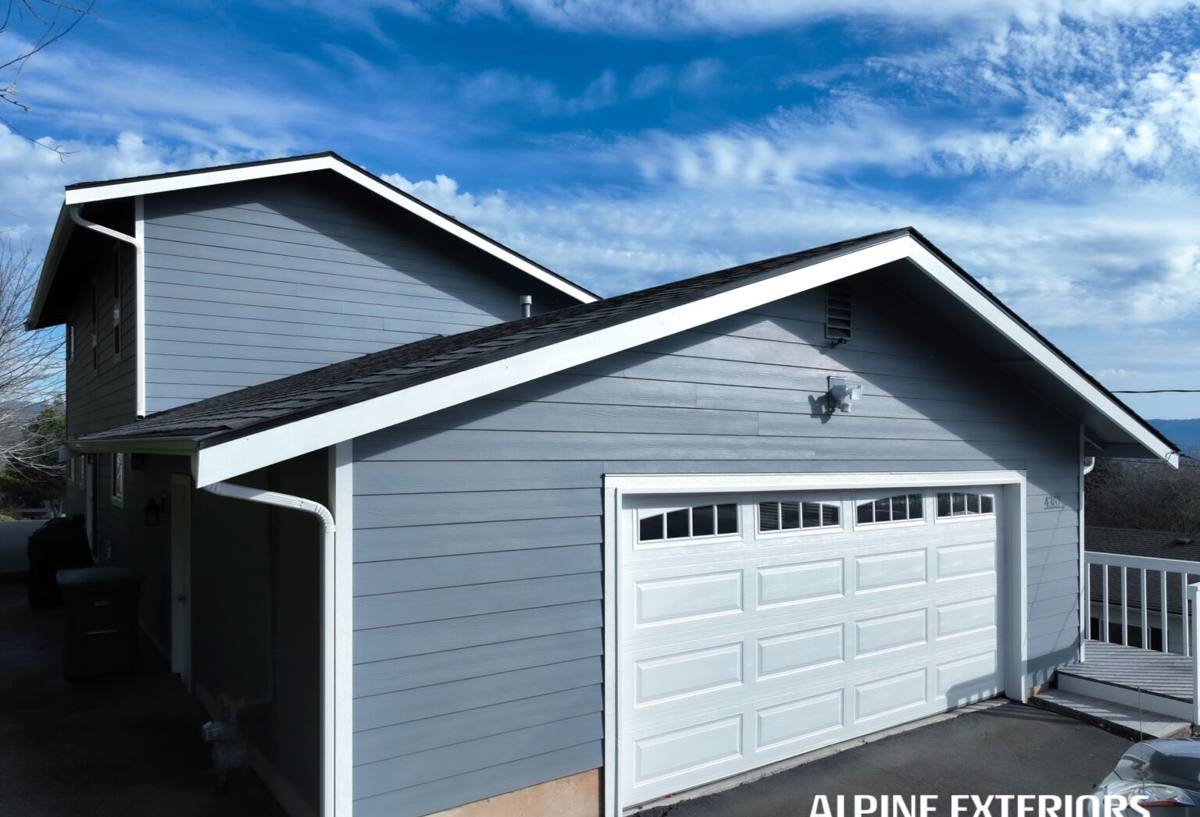
What Local Storms Actually Do to a Roof
Wind-Driven Rain
Whatcom County windstorms tend to come from the south or southwest, often during the same fall and winter systems that dump heavy rain. When wind pushes rain sideways instead of letting it run straight off the roof, water can work backward under shingle tabs, around flashing edges, and into exposed nail heads. This is why storm leaks often show up along ridges, valleys, and any wall-to-roof intersection rather than in the open field of the roof.
Wind Uplift and Lost Shingles
Older or already-weathered shingles are the first to go in a gust event. Once a tab lifts and the sealant strip breaks, that shingle is far more likely to lift again in the next blow, and the shingles around it are now exposed to wind they weren't designed to handle alone.
Moss and Trapped Moisture
Kendall's tree cover and long damp season mean moss and moisture-loving growth get a real foothold on shaded roof slopes. Moss holds water against the shingle surface, works into laps and granule surfaces, and can lift shingle edges just enough for wind-driven rain to get underneath during the next storm. A roof that's been carrying moss for a couple of seasons is more storm-vulnerable than a clean one, even if it's the same age.
Debris Impact
Falling branches and limbs are a routine part of storm season in a wooded area like Kendall. Impact damage can crack shingles, dent or puncture flashing, and in harder hits, damage the roof deck itself. Impact damage is also the type most likely to get missed in a quick look from the ground, since a cracked shingle can look intact until you're standing on the roof.
Signs You Have Storm Damage — Even Without an Obvious Leak
- Granules collecting in gutters or at downspout outlets after a windy rain
- Shingle tabs that look lifted, curled, or slightly out of line with their neighbors
- Soft or discolored ceiling spots that appear a few days after a storm, not during it
- Flashing around chimneys, skylights, or dormers that looks bent, separated, or rusted at the edges
- Moss buildup concentrated on one slope, especially north-facing sections
- A musty smell in an attic or upper closet that wasn't there before the storm season started
- Visible daylight through the roof deck when viewed from inside the attic
Any one of these on its own might be minor. Two or more together, especially after a known wind event, is worth a proper inspection before the next storm rolls through.
Our Storm Damage Repair Process
1. Inspection First, Estimate Second
We walk the roof, not just the yard. That means checking flashing, valleys, ridge caps, and penetrations up close, and checking the attic from underneath for water staining, damp insulation, or daylight gaps. We tell you what we actually find, including if the damage is limited enough that a full repair — not a replacement — is the honest answer.
2. Matching the Repair to the Damage
Storm repairs range from replacing a handful of shingles and resealing flashing, to rebuilding a damaged section of decking after a branch strike, to addressing a chronic moss-and-moisture area that's been quietly failing for a season or two. We repair to the scope of the actual damage — we don't upsell a full roof when a targeted repair will hold.
3. Rebuilding Vulnerable Details, Not Just Patching
A storm-damaged spot often failed because of a detail issue — thin flashing, a poorly lapped valley, or a nail pattern that didn't hold in high wind. When we repair that area, we correct the underlying detail so the same spot doesn't fail again in the next windstorm, instead of just covering the visible damage.
4. Cleanup and Documentation
We clear debris and old material from the site and give you clear notes on what was repaired and why, which is useful both for your records and if you're working with an insurance adjuster on the claim.
Repair vs. Replacement: How We Make That Call
| Factor | Points Toward Repair | Points Toward Replacement |
|---|---|---|
| Extent of damage | Isolated to one slope or section | Spread across multiple slopes |
| Roof age | Under 10-12 years, otherwise sound | Near or past expected service life |
| Underlying deck condition | Solid, dry decking around the damage | Soft, rotted, or repeatedly wet decking |
| Moss/moisture history | Recent or minor buildup | Long-term moss with granule loss and mat degradation |
| Shingle condition elsewhere | Rest of roof still has good sealant bond and granule coverage | Widespread brittleness, curling, or bald spots |
Most storm calls we get in Kendall fall on the repair side of this table. Full replacement only makes sense when the damage exposes a roof that was already near the end of its useful life anyway.
Materials That Hold Up to Whatcom County Storms
For storm repairs, we favor materials and details that are proven against wind-driven rain and long moss exposure rather than whatever is cheapest to source quickly. That includes using appropriately rated shingles for wind exposure, correctly lapped and sealed flashing at every penetration, and ice-and-water shield or equivalent underlayment reinforcement at valleys and eaves where wind-driven rain concentrates. We're selective about lightweight, thin-gauge flashing and low-grade underlayment in storm-prone repairs — not because a given product is inherently bad, but because storm repair is exactly the wrong place to cut a margin that's already been proven thin by the damage you're calling us about.
Why a Crew That Already Works Kendall Matters
Roofing crews that mostly work drier, less wooded parts of the county sometimes underestimate how much moss and shade cover matters here, or how far wind-driven rain can travel up under a lap on an exposed gable. Working Kendall and the surrounding Lynden area regularly means we're familiar with how the local tree cover, terrain, and marine weather pattern actually stress a roof over time — not just how it looks on the day of the estimate. That local familiarity shapes where we look first during an inspection and which details we double-check before calling a repair complete.
A Practical Storm-Readiness Checklist for Kendall Homeowners
- Have gutters and downspouts checked and cleared before the fall storm season
- Get moss-prone, shaded slopes cleaned and treated on a regular schedule, not just when it's visibly bad
- Walk the attic after any significant wind event and look for new staining or daylight
- Keep overhanging branches trimmed back from the roofline where it's safe to do so
- Have flashing at chimneys, skylights, and dormers inspected every couple of years, since these are the most common failure points in wind-driven rain
- Address small shingle or flashing issues promptly — a small storm-loosened area left through one more winter often turns into a larger repair
Working With Insurance on Storm Claims
If your damage is from a specific, identifiable storm event, it may be worth a call to your insurance carrier before repairs begin. We can document what we find during inspection — photos, notes on the type and likely cause of damage — which is the kind of detail an adjuster typically wants to see. We're not a public adjuster and we won't promise a claim outcome, but we can make sure the roofing side of your documentation is thorough and accurate.
If you've had storm damage to your roof, or you just want an honest look at how your roof is holding up after another Whatcom County winter, we're glad to come out and take a look. The estimate is free, there's no pressure, and you'll get a straight answer about what actually needs to happen next — simply fill out the form below to get started.