 Lynden
 Roofing Built for the Abbotsford and Lynden Climate
Homes around Abbotsford, BC and Lynden sit in one of the wetter corners of the Pacific Northwest. The Fraser Valley funnels moisture-heavy air off the Salish Sea and pushes it against the foothills, which means long stretches of steady rain, damp shoulder seasons, and a moss season that can run from fall through spring. A roof here isn't just shedding the occasional storm — it's managing near-constant dampness for months at a time, and that changes what "correct installation" actually means.
A roof that would hold up fine in a dry climate can fail early here if it's missing the right underlayment, ventilation, or moss-resistant details. This page focuses specifically on what a new roof installation should look like for a home in the Abbotsford, BC area, and why the details matter more than the brand name on the shingle wrapper.
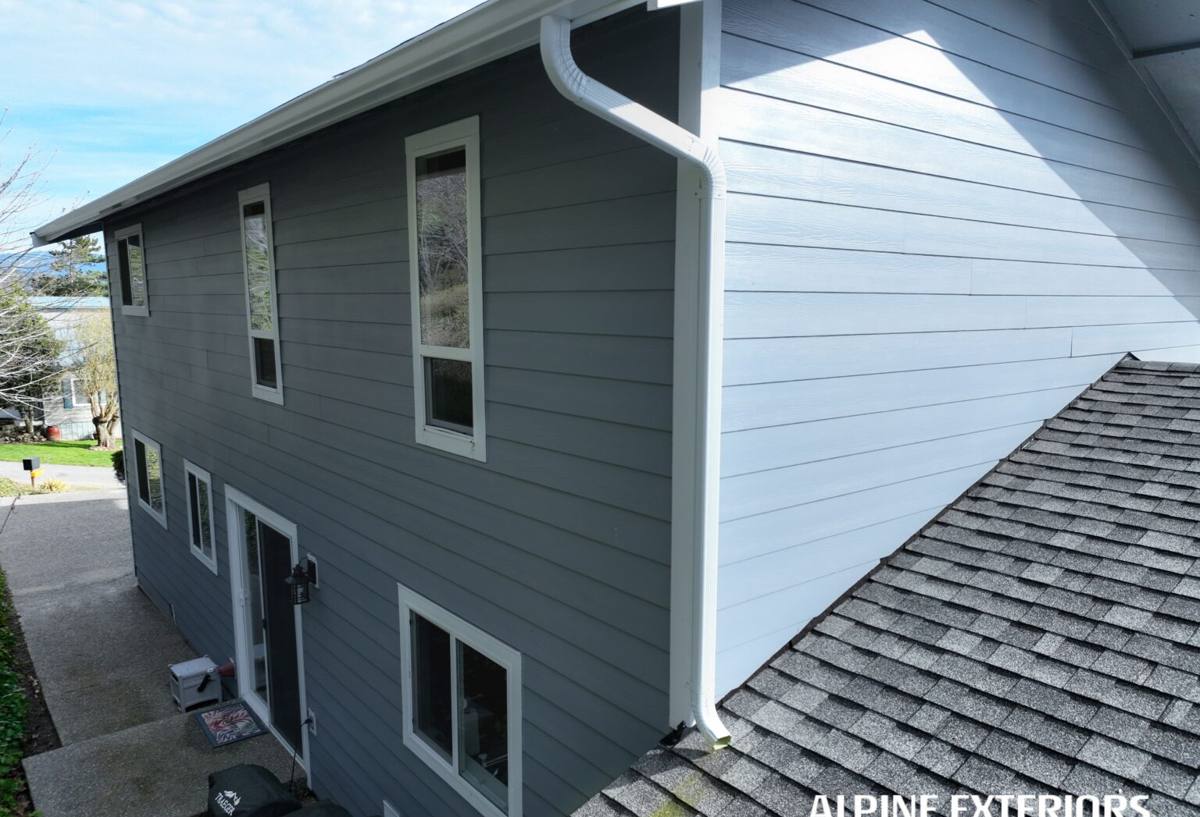
What This Climate Actually Does to a Roof
Driving Rain and Wind-Driven Moisture
Rain here doesn't always fall straight down. Valley winds push it sideways against roof edges, valleys, and wall-roof intersections, which is exactly where poor flashing and thin underlayment show up as leaks first. A roof designed for this area needs extra attention at those transition points, not just a good field of shingles.
Moss and Organic Growth
Shaded roof sections, north-facing slopes, and areas under overhanging trees stay damp long after the rest of the roof has dried out. That constant moisture is exactly what moss needs to establish. Once moss takes hold, it lifts shingle edges, holds water against the roof deck, and accelerates wear well beyond what the shingle's rated lifespan assumes.
Salt and Marine Air Influence
Being close to the Salish Sea means metal components — flashing, fasteners, vents, and gutters — are exposed to more corrosive, salt-tinged air than roofs further inland. Standard fasteners and unprotected metal trim age faster here, which is why material choice at these small details matters as much as the shingle itself.
Signs a Roof Needs Replacing, Not Another Patch
Not every roof problem calls for full replacement, but in this climate, small issues escalate quickly once water finds a way in. Signs it's time to talk replacement instead of another repair include:
- Granule loss heavy enough that you can see bare, shiny patches on shingles
- Moss or algae covering large sections rather than just isolated spots
- Soft or spongy spots when walking the roof, indicating deck rot underneath
- Daylight visible through the attic roof boards, or damp insulation below
- Repeated leaks around the same flashing point despite prior patch jobs
- A roof approaching or past its material's expected service life, especially if it's never been re-roofed
If a roof is already on its second layer of shingles, local code typically requires a full tear-off before a new layer goes on — which is also the better outcome anyway, since it lets us actually inspect and fix the deck underneath.
Choosing a Roofing Material for This Climate
There's no single "best" roofing material — the right choice depends on budget, roof pitch, how much shade the home gets, and how long the owner plans to stay in the house. Here's how the common options perform specifically against Fraser Valley/Whatcom County conditions:
| Material | Moisture & Moss Resistance | Typical Lifespan Here | Notes |
|---|---|---|---|
| Standard asphalt composition shingle | Moderate — benefits from algae-resistant granules | 15–20 years | Most common choice; performance depends heavily on ventilation and underlayment quality |
| Impact/algae-resistant composition shingle | Good | 20–25 years | Worth the upgrade cost on shaded or north-facing roofs prone to moss |
| Standing seam metal | Very good — sheds moss and moisture well | 40–50+ years | Higher upfront cost; needs coated fasteners in this marine-influenced air |
| Cedar shake | Poor without diligent maintenance | 20–30 years with upkeep | Attractive but demands regular cleaning and treatment in a damp climate; we're upfront about that maintenance burden |
| Synthetic/composite shake or slate | Good | 30–50 years | Gives the cedar or slate look with less moisture sensitivity |
We'll walk through these trade-offs honestly during the estimate — including where a cheaper material actually costs more over 20 years once moss treatment and earlier replacement are factored in.
Ridge, Flashing, and Ventilation Components
The shingle or panel gets the attention, but the components around it usually determine how long a roof actually lasts here. Ridge vents and intake vents keep attic moisture from condensing on the underside of the deck — a common cause of hidden rot in humid climates. Step flashing, counter-flashing, and valley metal need to be sized and installed for the volume of water this region sees, not the minimum code allows.
What a Correct New Roof Installation Involves
A new roof is more than swapping old shingles for new ones. For this climate, the installation sequence matters:
- Full tear-off of existing roofing down to the deck, so nothing is hidden underneath the new layer.
- Deck inspection and repair — replacing any rotted, delaminated, or soft sheathing before anything new goes down.
- Ice-and-water shield at eaves, valleys, and around penetrations, which matters more here than in drier regions because of how long water sits against the roof edge during heavy rain.
- Synthetic or felt underlayment across the full field, sized for the region's rainfall rather than the bare code minimum.
- New flashing at all walls, chimneys, skylights, and valleys — reused flashing is one of the most common causes of early leaks after a "new" roof.
- Balanced ventilation — intake at the eaves, exhaust at the ridge — sized correctly for the attic volume.
- Shingle or panel installation per manufacturer spec, with attention to nailing pattern and exposure, which affects wind resistance in valley gusts.
- Final walk-through covering ridge caps, pipe boots, gutter tie-in, and cleanup.
Skipping any one of these steps is usually invisible on installation day and shows up two to five years later as a leak, premature moss colony, or curling shingles — right when it's harder to trace back to the original job.
Our Process From Estimate to Completion
We keep the process straightforward because a new roof is a big decision and homeowners deserve to know what's happening at each stage:
- On-site assessment — we look at the roof, attic ventilation, and any problem areas in person rather than quoting from a satellite photo.
- Honest material discussion — matching the roof to the home's shade exposure, pitch, and the owner's timeline for staying in the house.
- Written estimate with material, labor, and any deck repair contingencies spelled out — no vague allowances.
- Scheduled tear-off and install, timed with weather windows in mind given how much rain this area gets.
- Daily cleanup during the job, including magnetic sweeps for nails around the property.
- Final inspection walking the completed roof and attic ventilation together with the homeowner before calling the job done.
Cross-Border Service Considerations
Abbotsford sits just across the border from Whatcom County, and homes there face essentially the same driving rain, moss, and marine-air conditions as Lynden. Serving both sides of the border does mean paying attention to which permitting process and building requirements apply to a given property — Canadian and U.S. jurisdictions handle roofing permits differently, and we make sure the right paperwork is in place before work starts rather than treating it as an afterthought. If you're unsure what's required for your specific address, that's a conversation we're happy to have upfront, before any estimate is finalized.
Maintenance That Extends the Life of a New Roof Here
Even a well-installed roof needs some ongoing attention in this climate. A few habits make a real difference over the roof's lifespan:
| Task | Frequency | Why It Matters Here |
|---|---|---|
| Gutter cleaning | Twice a year (fall and spring) | Clogged gutters back water up under the roof edge during heavy rain |
| Moss inspection | Annually, especially shaded slopes | Catching moss early prevents shingle lifting and deck moisture |
| Attic ventilation check | Every 2–3 years | Blocked vents lead to condensation and hidden rot over time |
| Flashing and sealant check | Annually | Marine air and valley wind accelerate wear at these joints |
None of this replaces a properly installed roof — it just protects the investment once it's in place.
Why Local Experience Matters for This Job
Roofing crews that mostly work drier inland regions sometimes under-spec ventilation and underlayment because it's never been a problem for them. A crew that already works Abbotsford and Lynden roofs regularly knows which slopes hold moss, which valleys take the worst wind-driven rain, and where reused flashing tends to fail first in this specific climate. That local pattern-recognition is the difference between a roof that looks right on install day and one that's still performing well in year fifteen.
If you're weighing a new roof for a home in Abbotsford, BC or anywhere in the Lynden area, we're glad to walk the roof with you and give a straightforward, no-pressure estimate — just fill out the form below to get started.