 Lynden
 What Deming's Climate Does to Siding
Deming sits back in the foothills east of Lynden, along the Nooksack River corridor, under heavier conifer cover than the open farmland closer to town. That changes what siding has to fight off. Across Whatcom County generally, homes deal with salt-tinged air near the coast, driving rain that blows in off the Sound, and a moss season that can run most of the year. In Deming specifically, it's less about salt exposure and more about shade and standing moisture: tree canopy keeps siding wet longer after a storm, valley humidity slows drying time, and north-facing walls in particular can stay damp for days at a stretch.
That combination is hard on siding that isn't built to shed water fast and resist organic growth. Paint holds less well in shade. Seams that aren't detailed correctly stay wet longer than they should. Over years, that moisture load is what turns a cosmetic issue into a structural one.
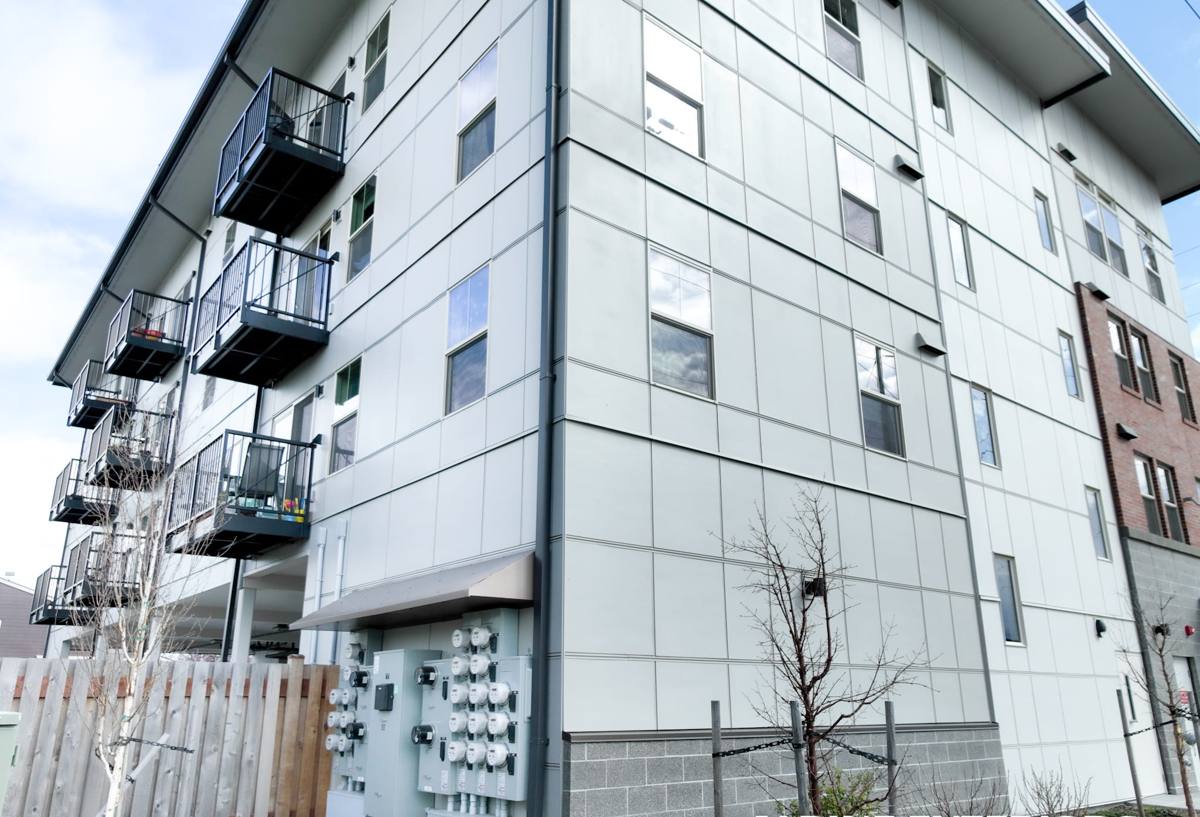
Signs Your Deming Home May Need Siding Replacement
Not every siding problem calls for a full tear-off — but a lot of them do, especially once moisture has been getting behind the surface for a while. Before assuming a patch or a repaint will fix it, walk the exterior and look for these:
- Soft or spongy spots when you press near the bottom courses or under windows
- Moss or black algae staining that comes back within weeks of cleaning
- Cracking, checking, or splitting along the face of lap boards
- Paint that won't hold anymore, even after prep and a fresh coat
- Visible warping, cupping, or boards pulling away from the wall
- Gaps opening up at trim, corners, or butt joints
- A musty smell near exterior walls inside the house, especially after rain
Any one of these on its own might be a spot repair. Several together, especially on the shaded or north-facing sides of the house, usually means moisture has been working behind the siding longer than the surface lets on.
What Correct Siding Replacement Actually Involves
"Replacement" done right is not just pulling old boards off and nailing up new ones. In a climate like this, the parts you don't see matter as much as the finished look.
Tear-Off and What's Underneath
Full removal is the only way to actually see the sheathing. That's the point of doing a replacement instead of an overlay — it's the chance to find rot, soft spots, or old water damage before it's sealed back up behind new siding for another twenty years. Any damaged sheathing gets cut out and replaced before anything new goes on.
Weather-Resistive Barrier and Flashing
Behind the siding, a properly lapped weather-resistive barrier is what actually keeps driving rain out of the wall assembly. Flashing at every window, door, and penetration needs to be integrated with that barrier, not just caulked over the top. Kick-out flashing where a roofline meets a wall is a small detail that gets skipped constantly and causes a disproportionate amount of the rot we find in older homes.
Fastening, Clearances, and Finish
Fiber cement has a specific nailing pattern and fastener spec, and it matters — under- or over-driven nails cause cracking and callbacks down the road. Ground clearance at the bottom of the wall keeps the lowest course from wicking moisture out of soil or mulch beds. And a factory-applied finish, rather than field-painted siding, means the color coat was cured under controlled conditions instead of drying in whatever weather showed up that week.
Material Comparison for Whatcom County Conditions
Homeowners in Deming and Lynden usually end up comparing the same handful of materials. Here's how they actually perform under sustained moisture and shade:
| Material | Moisture Behavior | Moss/Algae Resistance | Maintenance |
|---|---|---|---|
| Vinyl | Doesn't rot, but traps moisture behind it if installed tight; can warp in heat | Holds surface grime and algae in shaded, damp areas | Low, but cracks and fades over time and can't be repainted easily |
| Cedar / primed spruce | Absorbs and releases moisture; prone to rot without diligent upkeep | Vulnerable to moss and mildew in shade without regular treatment | High — recoating, caulking, and inspection needed regularly |
| LP SmartSide (engineered wood) | Treated to resist moisture, but edge and cut-end sealing is critical and easy to miss | Better than raw wood, still needs attentive maintenance in wet shade | Moderate — depends heavily on installation quality |
| James Hardie fiber cement | Non-combustible and dimensionally stable; doesn't absorb and swell like wood | Factory finish resists staining better than field-painted surfaces | Low — periodic washing, no repainting on the standard warranty cycle |
Why We Install Only James Hardie Fiber Cement
We don't install vinyl, LP SmartSide, primed spruce, cedar, or other fiber cement brands. That's a standard we hold across every job, not a knock on any single product — each of those has real strengths. It's that after years of tear-offs and callbacks in this climate, fiber cement engineered specifically for the Pacific Northwest is what consistently holds up without turning into a maintenance project.
James Hardie's HZ product line is climate-engineered for regions like ours — formulated for high-moisture, high-humidity conditions rather than a one-size-fits-all product. ColorPlus, Hardie's factory finish, is baked on under controlled conditions and backed by its own finish warranty, which matters in a place where field-applied paint has fewer good drying days per year than homeowners assume. Hardie boards are non-combustible, they don't swell or rot the way wood-based products can, and the manufacturer's product warranty is transferable if the home sells. Installed to spec, it's a system built to be a long-term answer rather than something you're back out here fixing in eight years.
Our Deming Siding Replacement Process
- Free walk-through and estimate. We look at the whole exterior, not just the obviously bad spots, and check the sides that get the least sun and the most moss.
- Moisture and sheathing assessment. Where we suspect trouble, we check it before quoting rather than guessing.
- Written proposal. Scope, product line, color, and what's included — no vague allowances.
- Tear-off and inspection. Old siding comes off, sheathing gets a real look, and any damage is addressed before anything closes back up.
- Barrier, flashing, and Hardie installation. Installed to manufacturer spec — fastening pattern, clearances, flashing detail, all of it.
- Final walkthrough and cleanup. We go over the finished job with you before we call it done.
What Drives the Cost of a Deming Siding Job
There's no honest flat number for siding replacement — the range depends on real factors specific to your house, not a sales pitch. The biggest swing factor is almost always what we find once the old siding comes off: a home with sound sheathing costs meaningfully less than one that needs sections rebuilt. Beyond that:
| Factor | Why It Matters |
|---|---|
| Home size and wall complexity | More square footage and more corners, dormers, and trim detail mean more labor and material |
| Sheathing condition | Rot or water damage found during tear-off adds repair scope before new siding goes on |
| Access and stories | Second stories, steep grades, or tight lot access affect equipment and labor time |
| Siding profile and color | Lap width, panel style, and ColorPlus color selection carry different material costs |
| Trim and detail work | Window and door trim, fascia, and corner detailing add scope beyond flat wall coverage |
In general, full-house Hardie replacements on Whatcom County single-family homes tend to land in the low-to-mid five figures, but that's a broad range — the only way to get a real number is a walk-through, which is free.
Why a Local Lynden Crew Matters in Deming
A crew that already works this part of Whatcom County knows the difference between a house on open farmland outside Lynden and one tucked into the tree line near Deming — and prices, plans, and flashes accordingly instead of treating every job the same. That local familiarity also means faster response if something needs a follow-up look after a hard rain, and a crew that's accountable in a community where reputation actually travels, rather than a name that shows up once and moves on.
Keeping Your New Siding Looking Right Through Moss Season
Even the right product benefits from a little upkeep. A soft wash once a year — not a pressure washer aimed straight at the seams — keeps moss and algae from getting a foothold, especially on shaded walls. Keep gutters clear so overflow isn't running down the siding face after storms, and trim back branches or shrubs that keep a wall damp and shaded longer than the rest of the house. A quick yearly look at caulking around trim and penetrations catches small gaps before they become entry points for water.
If your Deming home's siding is showing its age, or you just want a straight answer about whether it's a repair or a replacement situation, we're happy to take a look. The estimate is free, there's no pressure, and you'll get a clear answer either way — just fill out the form below to get started.