 Lynden
 Storm Damage Roof Repair for Maple Falls Homes
Maple Falls sits in the wooded foothill country east of Lynden, where big timber, steep terrain, and long wet winters put a different kind of stress on a roof than you'd see on a house out in the open valley. Wind funneling through the trees, branch and debris strikes, and months of standing moisture all work on a roof in ways that are easy to miss until a leak shows up inside the house. We repair storm-damaged roofs for homeowners in this area on a regular basis, and this page covers what that work actually involves — not a generic overview, but what a Maple Falls roof specifically needs after a storm.
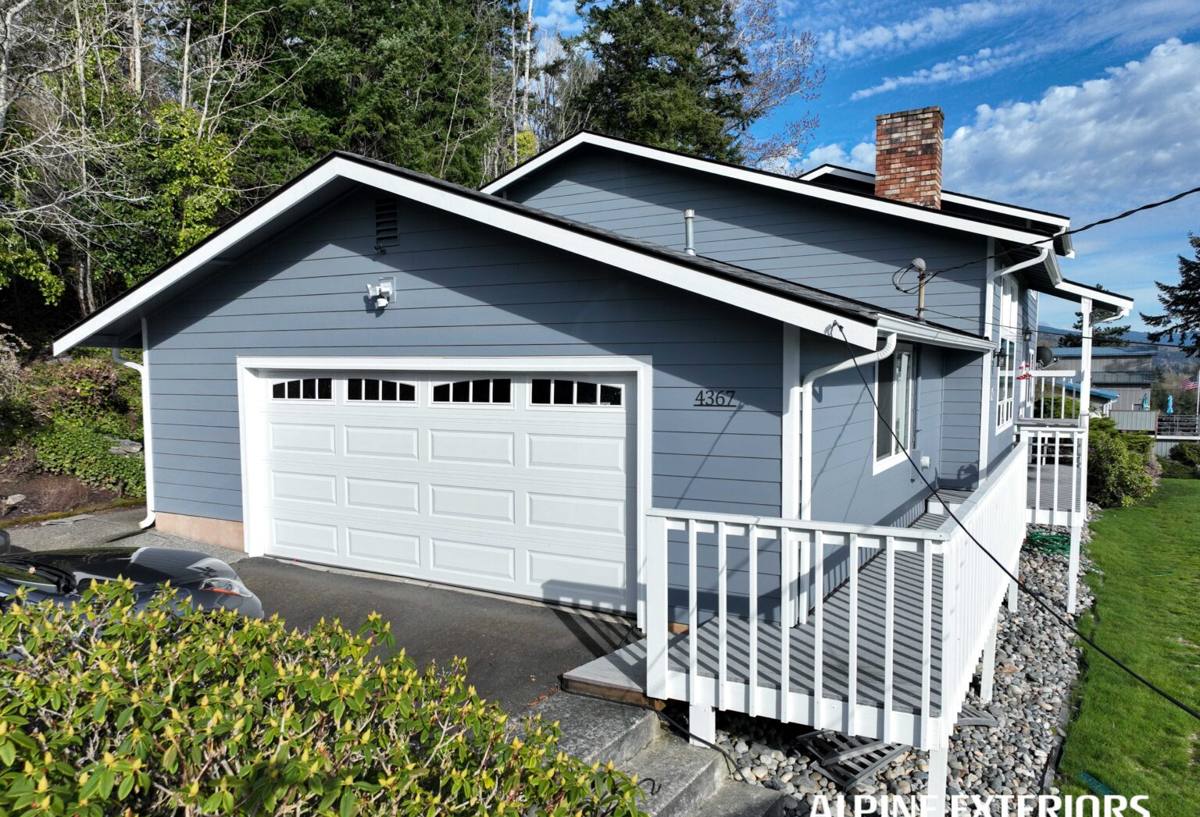
What Storms Actually Do to a Roof Here
Whatcom County storms rarely bring the kind of catastrophic hail or tornado damage you'd see in other parts of the country. The damage here is quieter and more cumulative. A windstorm loosens a run of shingles or shakes without tearing the whole field off. A falling limb punches or cracks a small section instead of collapsing a roof deck. Driving rain finds its way under a lifted shingle tab or through a nail hole that's worked loose over a few seasons of freeze-thaw and wind flex. None of that looks dramatic from the ground, which is exactly why it goes unrepaired until water has already reached the sheathing or the insulation below.
The Combination That Matters Locally
It's rarely one storm that causes the real damage — it's one storm creating an opening, followed by weeks or months of Whatcom County's driving rain and long moss season doing the rest. A cracked or lifted shingle that would dry out fine in a drier climate stays wet here, feeds moss and algae growth, and holds moisture against the roofing material far longer than the manufacturer's materials were designed for. Coastal-influenced salt air in the air moving through this part of the county adds to the slow corrosion of exposed fasteners and metal flashing over time. By the time a stain shows up on a ceiling, the damage has usually been developing for a while.
Why Maple Falls Roofs Need a Different Read Than a Wide-Open Lot
Tree cover changes everything about how storm damage happens and how it should be repaired. Roofs shaded and surrounded by conifers stay damp longer after a storm passes, which means moss and moisture problems compound faster than they would on a roof that gets full sun and wind exposure to dry out. Falling limbs and cone debris also collect in valleys and behind chimneys, holding water against the roofing material and accelerating wear in spots a homeowner can't see from the ground or even from a ladder without knowing where to look.
That's the local knowledge that matters on a storm repair call: knowing which parts of a tree-surrounded roof fail first, where moss undermines a roof edge before anyone notices, and how to tell the difference between damage from the storm itself and damage that was already progressing and got exposed by it. A crew that mostly works open subdivisions elsewhere in the county can miss these patterns; a crew that works Maple Falls regularly knows to check them as a matter of course.
Signs Your Roof Has Storm Damage
Most storm damage isn't obvious from the driveway. Here's what we tell homeowners to check for after a wind or rain event, or to have us check for them if getting on a ladder isn't something they want to do:
- Shingles or shakes that look lifted, curled, or out of alignment with the surrounding roof plane
- Granules collecting in gutters or at the base of downspouts (a sign of accelerated shingle wear)
- Visible daylight or gaps around roof vents, chimney flashing, or skylight edges
- New or growing moss patches, especially at roof valleys and north-facing slopes
- Water stains or discoloration on interior ceilings, especially near exterior walls or chimneys
- Debris, branches, or needle buildup sitting in valleys or behind roof protrusions
- Sagging or soft-feeling spots on the roof deck, visible from the attic if accessible
- Bent, missing, or rusted flashing around any roof penetration
Any one of these on its own might not mean much. Two or three together, especially after a known windstorm, are worth a closer look before the next rain.
What a Correct Storm Damage Repair Involves
Assessment Before Anything Else
A repair is only as good as the inspection behind it. We get up on the roof (not just a look from the ground) and check the full field, not just the spot the homeowner noticed. Storm damage tends to cluster on the windward side of the roof and around penetrations, but a thorough check covers the whole surface, the flashing, the underlayment where it's exposed, and — where accessible — the attic side of the deck for moisture staining that shows the leak has already been active.
Matching the Repair to the Roofing Material
Composition shingle, cedar shake, and metal roofing all fail differently in a storm and need to be repaired differently. Shingles need matching material (or a defensible close match) woven into the existing courses so the repair doesn't stand out or create a new weak seam. Shakes need splitting and fitting by hand, not just nailed patches. Metal roofing needs fastener and seam work that respects how the panels expand and contract, not just a bead of sealant over the problem. We match the repair method to what's actually on the roof rather than applying one generic fix to everything.
Fixing the Cause, Not Just the Symptom
A leak stain on the ceiling is downstream of the actual problem. If we only patch the spot where water is entering without addressing why that spot failed — poor flashing detail, an undersized ice-and-water barrier, a moss-choked valley — the same failure comes back within a season or two. Every repair we do addresses the underlying cause, whether that's re-flashing a penetration correctly, clearing and treating a moss-affected area, or replacing underlayment that's been compromised, not just swapping the visible shingles on top.
Our Repair Process
- Initial inspection. We walk the full roof, document damage with photos, and check attic access points where available.
- Honest assessment. We tell you what's storm-caused, what's pre-existing wear the storm exposed, and what can wait versus what needs attention now.
- Written scope and estimate. You get a clear breakdown of the work and cost before anything starts — no vague verbal quotes.
- Repair. Matched materials, correct flashing and underlayment detail, and cleanup of any debris that contributed to the damage.
- Final check. We confirm the repair is watertight and walk you through what we did and what to watch going forward.
Repair or Replace: How to Think About It
Not every storm-damaged roof needs full replacement, and not every roof is worth repeatedly repairing either. The right call depends on the roof's age, how widespread the damage is, and what condition the underlying deck and underlayment are in.
| Factor | Leans Toward Repair | Leans Toward Replacement |
|---|---|---|
| Roof age | Under 15 years, materials still flexible | Near or past manufacturer's expected service life |
| Damage location | Isolated to one section or a few spots | Spread across multiple roof planes |
| Deck condition | Solid, dry, no soft spots found | Soft, delaminating, or water-stained in multiple areas |
| Moss/moisture history | Recent or first-time issue | Long-term buildup with repeated past repairs |
| Overall shingle condition | Rest of roof still granule-intact and flat | Widespread curling, granule loss, or brittleness |
We'll give you a straight answer on which side of that table your roof falls on. If a repair genuinely solves the problem, that's what we'll recommend — we don't push replacements a roof doesn't need.
Insurance and Storm Claims
Many storm-related repairs are covered in whole or in part by homeowner's insurance, particularly when there's a documented wind event or falling debris involved. We can provide the photo documentation and written scope an adjuster typically needs, and we're glad to walk you through what tends to be covered versus what falls under normal maintenance (moss removal and general wear, for instance, usually aren't storm claims). We don't handle the claim itself — that's between you and your carrier — but we make sure you have accurate documentation to work with.
Why Hiring a Crew That Works Maple Falls Regularly Matters
A lot of roofing companies serve Whatcom County in name but rarely send crews out to the smaller communities east of Lynden. That matters more than it sounds like it should. A crew unfamiliar with Maple Falls's tree cover, moisture patterns, and typical roof exposures is starting from zero on every job — figuring out on the fly what a crew already familiar with the area would recognize immediately. That translates into a faster, more accurate assessment, fewer surprises once work starts, and a repair built around how this specific area's climate actually treats a roof rather than a one-size-fits-all approach built for drier or more open parts of the county.
We also know that storm damage rarely announces itself as a single, obvious problem here. It's usually a combination — wind-loosened material plus moss plus driving rain plus a roof that doesn't get much sun to dry out between storms. Treating that combination correctly is the difference between a repair that holds and one that needs to be redone in a year or two.
Get a Free, No-Pressure Estimate
If a recent storm has you wondering about the condition of your roof, or you've noticed any of the warning signs above, we're happy to come take a look. There's no cost and no pressure to move forward — just a straight assessment of what's going on and what it would take to fix it right. Use the form below to request your free estimate.