 Lynden
 Kendall's Climate and What It Means for Your Windows
Kendall sits out toward the foothills northeast of Lynden, where Whatcom County's marine climate still runs the show even without a direct waterfront view. Moist Pacific air moves through the valley, rain settles in for weeks at a stretch in the fall and winter, and the tree cover and damp ground around many Kendall properties keep humidity higher, longer, than you'd get in a more open, sun-exposed spot. Add the salt-tinged air that blows in off the Sound and settles across the whole county, and you've got a combination that's tough on any building material that isn't sealed and maintained correctly.
Windows take the brunt of this. They're the weak point in an otherwise solid wall assembly — every seam, every piece of hardware, every seal is a place where water and moist air can work their way in if the unit or the installation isn't right. In a climate with a moss season that can run half the year, north-facing and shaded windows in particular collect grime and organic growth that traps moisture against the frame and sill.
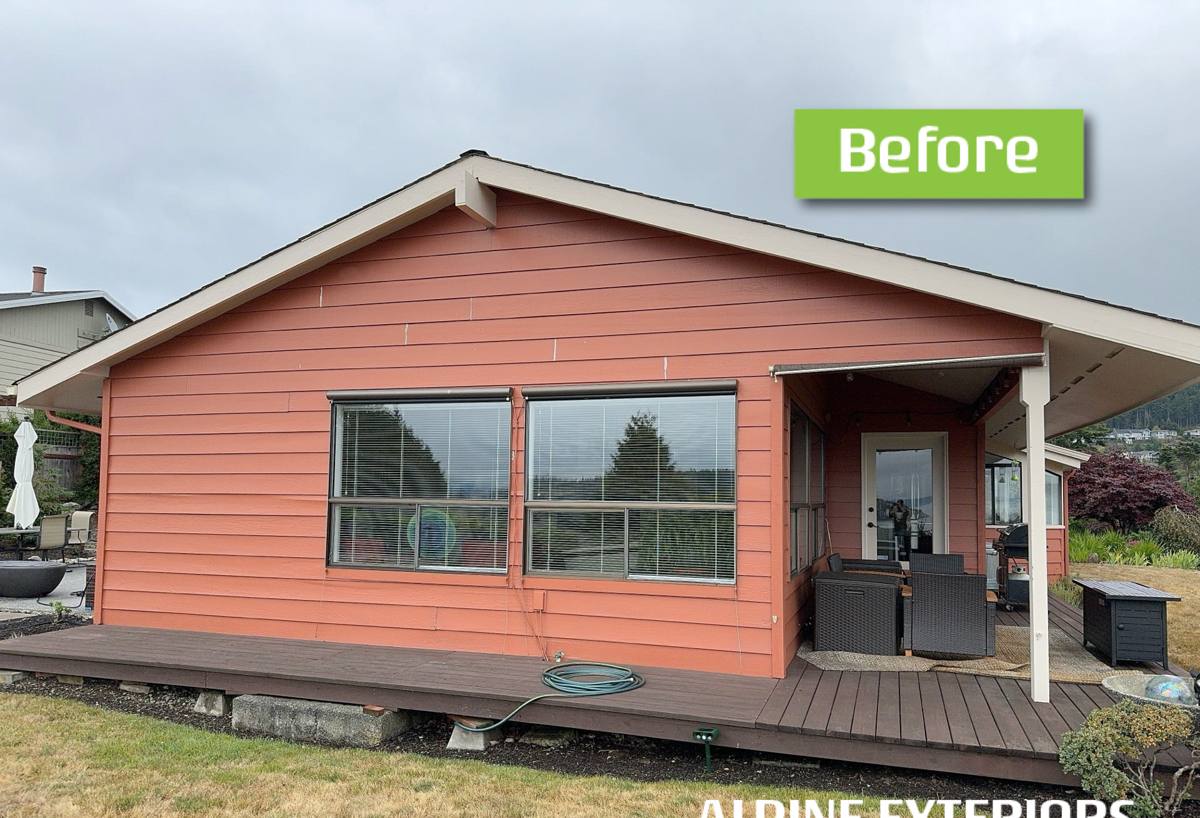
Signs a Kendall Home Needs New Windows, Not Just Repairs
Not every issue calls for full replacement. But there's a point where patching stops making sense — where the labor and materials for another repair cost nearly as much as doing it right, and you're back in the same spot in another year or two. Here's what tips a window from "fixable" to "replace it":
- Wood sills or bottom rails that are soft, discolored, or crumbling when you press a screwdriver into them
- Persistent fogging or a visible haze between panes of double-glazed glass — a sign the seal has failed and the gas fill is gone
- Windows that won't stay open, won't latch, or have swollen shut with moisture
- Visible daylight or a draft you can feel around the frame with the window closed
- Paint that keeps failing on the same window no matter how often it's touched up
- Condensation forming on the inside of the glass regularly, even in mild weather
If you're seeing two or more of these on the same window, replacement is almost always the better long-term move than another round of caulk and paint.
What a Correct Window Replacement Job Actually Involves
Swapping in a new window is straightforward on the surface — pull the old one, set the new one, trim it out. The part that actually determines whether that window performs for the next 20-plus years happens underneath the trim, where you can't see it once the job is done.
Removal and Opening Inspection
Once the old window is out, the rough opening gets inspected before anything new goes in. This is where hidden problems from years of moisture exposure show up — soft framing, old flashing that's failed, insulation that's compressed or wet. A crew that skips this step and just sets a new window into a bad opening is setting up the next round of failure.
Flashing and Weatherproofing
This is the step that matters most in a climate like this. Proper flashing directs any water that gets behind the siding down and out, away from the framing — not into it. Flashing tape, sill pans, and correctly lapped house wrap all have to go in a specific order. Get this wrong and you can install a perfect window and still have a leak two winters later.
Setting, Shimming, and Sealing
The window has to be plumb, level, and square in the opening, shimmed correctly so it isn't stressed or racked, and sealed with the right foam and sealant — not overfilled with expanding foam that bows the frame, and not left with gaps that let air through.
Interior and Exterior Trim
Finish work is where the job either looks like it belongs on the house or looks like an add-on. Matching trim profiles, correct caulking lines, and paint or stain that matches the surrounding siding all matter for how the finished product reads from the street.
Choosing the Right Window for Whatcom County Weather
There's no single "best" window — the right choice depends on the home, the budget, and how exposed a given wall is to weather. Here's how the common options stack up for a climate with sustained rain and moisture:
| Frame Material | How It Handles This Climate | Maintenance |
|---|---|---|
| Vinyl | Good moisture resistance, won't rot; performance depends heavily on installation quality | Low — occasional cleaning |
| Fiberglass | Very stable in temperature and humidity swings, holds paint well | Low |
| Wood (clad or unclad) | Classic look but more vulnerable to prolonged moisture exposure if seals or paint fail | Higher — regular paint/finish upkeep |
| Aluminum | Durable but conducts cold and can condense more in damp, cool weather without a thermal break | Low |
For most Kendall homes, we lean toward vinyl or fiberglass on weather-exposed elevations because they hold up to sustained damp without the ongoing finish maintenance wood requires. Wood still has a place — especially on homes where matching an existing architectural style matters — but we're upfront that it comes with more upkeep in this climate, not less.
Glass Package
Double-pane, low-E glass with an argon fill is the standard for this region and makes sense on nearly every project — it cuts heat loss and helps control condensation on the interior glass surface during cold, damp stretches. Triple-pane is worth discussing on north-facing rooms or homes further out where wind exposure is higher, but it's not a default upgrade every home needs.
Our Process, Start to Finish
- On-site estimate. We walk the exterior and interior of each window being replaced, check the condition of existing framing where visible, and talk through options based on your budget and priorities.
- Written proposal. Clear scope, window specs, and pricing — no vague allowances you find out about later.
- Scheduling around weather. We plan installs to minimize how long any opening sits exposed, which matters more here than in a drier climate.
- Installation. Proper flashing, sealing, and finish work as described above, with openings never left unprotected overnight.
- Walkthrough and cleanup. We check operation on every window, clean up job debris, and go over care basics before we leave.
Why a Crew That Already Works Kendall Matters
Kendall isn't downtown Lynden — it's a more rural, spread-out area, and homes here vary in age, foundation type, and how they were originally built out toward the foothills. A crew that's already worked in the area knows what tends to show up when you open an old wall out here: the framing conditions, the moisture patterns, the kinds of window failures that are common given how long the rain sits and how much shade some properties get.
That familiarity also means fewer surprises with scheduling and access — knowing the roads, the weather windows for exterior work, and what it actually takes to get a crew and materials out to a rural property versus an in-town lot. It's a small thing, but it adds up to fewer delays and fewer change orders once the job is underway.
What Affects the Cost of a Window Replacement
| Factor | Why It Matters |
|---|---|
| Number and size of windows | Larger openings and full-house projects have different labor and material scaling than a single-window swap |
| Frame material chosen | Vinyl, fiberglass, and wood carry different material costs |
| Condition of the existing opening | Rot or framing damage found during removal adds repair work before the new window can go in |
| Access and site conditions | Second-story windows, tight approaches, or landscaping obstacles affect labor time |
| Trim and finish work required | Matching existing exterior trim profiles or repainting/staining adds scope |
We'll always tell you honestly if a window opening looks like it needs more than a straightforward swap once it's opened up — that's a conversation we have before proceeding, not an invoice surprise afterward.
Keeping New Windows Performing in This Climate
A correctly installed window shouldn't need much, but a little seasonal attention goes a long way given how much moss and moisture this area sees:
- Clear moss and organic buildup from sills and tracks at least once a year, especially on shaded or north-facing windows
- Check exterior caulking annually for cracking or separation and have it touched up before it fails completely
- Keep weep holes on vinyl and fiberglass frames clear so water can drain properly
- Wipe down interior sills if you notice condensation building up during cold snaps
- Trim back vegetation that keeps a window in constant shade and dampness
If you're weighing whether it's time to replace windows on a Kendall property, we're happy to take a look and give you a straightforward, no-pressure estimate — just fill out the form below and we'll get in touch.