 Lynden
 Window Installation Built for Wiser Lake Conditions
Wiser Lake sits just outside Lynden in a part of Whatcom County where the weather doesn't do anything halfway. Winters bring long stretches of driving rain that comes in sideways off the marine air rolling through from the Salish Sea, summers stay cool and damp longer than most homeowners expect, and the shoulder seasons hand you weeks of the kind of low, sitting moisture that turns north-facing siding and window trim green if you let it. Windows here take a beating that windows in drier climates simply don't. A window installed correctly for Wiser Lake needs to shed water, resist the slow creep of moss and mildew, and keep doing it for decades without the frame swelling, the seals failing, or the sill rotting out underneath the sightline where nobody's looking until it's too late.
This page is about that one job — window installation for homes around Wiser Lake — not a general overview of every service we offer. If you're weighing whether it's time to replace windows on a lake-adjacent property, or you already know you need new windows and want to understand what a correct installation actually looks like out here, this is written for you.
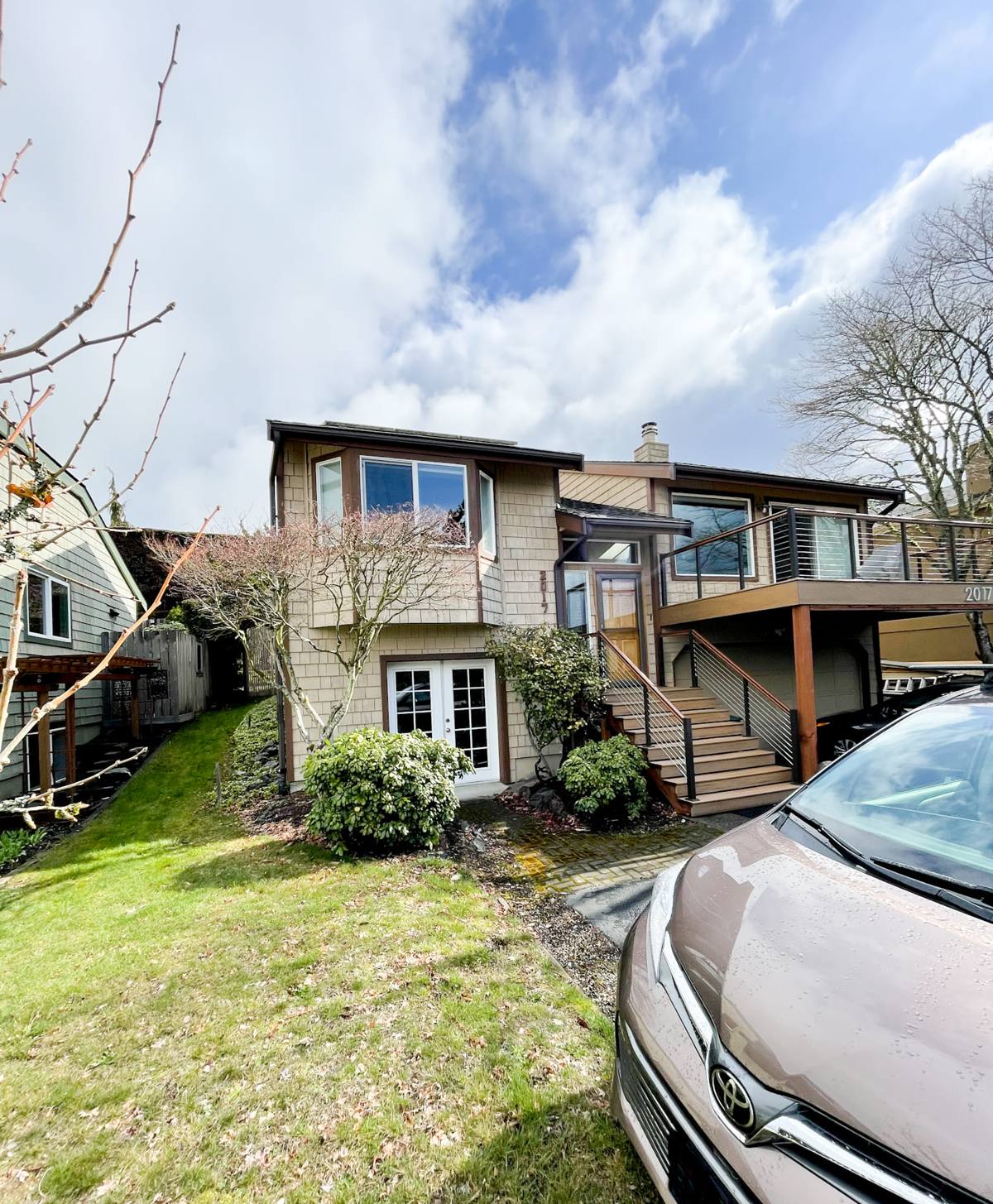
What This Climate Does to Windows Over Time
Whatcom County's climate is mild on paper and hard on materials in practice. It's the persistence of moisture, not any single storm, that causes the damage.
Driving rain and wind-driven water
Storms off the water don't just fall straight down — wind pushes rain sideways into vertical wall surfaces, which means window flashing and sealant do far more work here than they would in a climate with mostly vertical rainfall. Any gap in the flashing detail, any bead of caulk that's cracked or missing, becomes an entry point. Water finds its way behind the trim and into the wall cavity, and by the time it shows up as a stain on an interior sill, it's usually been happening for a while.
Moss and organic growth
Whatcom County's moss season runs long — shaded, north- and west-facing exposures near the lake and tree line can stay damp for months at a stretch. Moss and algae don't just look bad on a window frame; they hold moisture against the material, which accelerates rot in wood components and can degrade sealant faster than it would in a dry, sun-exposed spot.
Marine air and hardware
The air moving through this part of the county carries more salt and moisture than you'd get further inland, even at a freshwater lake. Over years, that air is hard on unprotected metal — hinges, cranks, locks, and screws — which is part of why hardware quality and finish matter as much as the glass itself.
Condensation and temperature swings
Cool, damp air outside and a heated interior create a steady condensation gradient across older, poorly insulated windows. Persistent condensation on glass or in the frame cavity is one of the most common early warning signs we see on service calls around the lake.
Signs a Wiser Lake Home Needs New Windows
- Visible fogging or moisture trapped between panes of double-pane glass — the seal has failed and can't be repaired, only replaced
- Wood trim or sills that feel soft, spongy, or show dark staining, especially on north- or lake-facing walls
- Windows that are difficult to open, close, or lock — frames can swell and warp with repeated wet/dry cycles
- Persistent moss or black streaking on the frame or sill that comes back within weeks of cleaning
- Noticeable drafts or a cold radiating feeling near the glass even with the window fully closed
- Rising heating bills without another clear cause
- Visible daylight or gaps around the frame from outside
- Peeling or bubbling paint on interior trim, which often points to moisture getting into the wall cavity
What a Correct Window Installation Actually Involves
Most window problems we get called out for around Wiser Lake aren't a failure of the window unit itself — they're a failure of the installation detail around it. In a climate this wet, the install matters more than the brand.
Removal and opening inspection
Once the old window is out, the rough opening gets inspected before anything new goes in. This is the point where hidden rot, soft sheathing, or old, failed flashing shows up. Skipping this step and just dropping a new window into a compromised opening is how homeowners end up with the same water problem behind a brand-new window a year later.
Sill pan and drainage plane
A sloped sill pan under the window directs any water that does get past the exterior seal back outside instead of letting it pool against the framing. In a market with this much wind-driven rain, we treat this as non-negotiable, not an upgrade.
Flashing integration
Flashing tape and house wrap need to be layered correctly — shingled like roof shingles, top piece over the one below — so water sheds down and out rather than working its way in behind the siding. This detail is invisible once the trim goes back on, which is exactly why it has to be done right the first time.
Air sealing and insulation
The gap between the window frame and the rough opening gets sealed with a proper low-expansion foam or backer rod and sealant, not just stuffed with fiberglass. That gap is a major source of both drafts and, if left open, a path for condensation to form inside the wall.
Exterior sealant and finish
The exterior caulk joint is the last line of defense against driving rain. It needs to be a sealant rated for exterior exposure and applied to a clean, dry, compatible surface — not painted-over old caulk that's already lost its adhesion.
Choosing the Right Window Material for a Lake-Adjacent Property
There's no single "best" window material — the right choice depends on the home's exposure, budget, and how much upkeep you want to take on. Here's how the common options stack up for a Wiser Lake exposure specifically.
| Material | Moisture Performance | Maintenance | Typical Fit |
|---|---|---|---|
| Vinyl | Excellent — won't rot, resists moisture well | Low — occasional cleaning | Most homes; best value for full-house replacement |
| Fiberglass | Excellent — very stable in wet/dry cycles | Low | Homes wanting a slimmer sightline or higher-end finish |
| Wood-clad (exterior clad, wood interior) | Good if detailing and finish are maintained | Higher — exterior clad protects wood, but joints need periodic inspection | Homes prioritizing an interior wood look |
| Aluminum | Fair — prone to condensation without thermal breaks | Moderate — watch for corrosion in marine air | Rarely our recommendation for this climate on its own |
For most Wiser Lake homes, we lean toward vinyl or fiberglass for exposed elevations because they hold up to the wet/dry cycling without the ongoing maintenance a wood frame demands in this much moisture. Where a homeowner wants a wood interior look, clad options let you get that without exposing bare wood to the weather — but we're upfront that it's a higher-maintenance choice, not a maintenance-free one.
Glass and hardware details worth asking about
- Low-E coated, argon-filled double-pane glass as a baseline for this climate
- Corrosion-resistant hardware finishes, given the marine-influenced air
- A drainage system built into the sill of the window unit itself, not just the installation
- Manufacturer warranty coverage on both the glass seal and the hardware, not just the frame
Our Installation Process
1. On-site assessment
We look at each window opening individually — sun exposure, wind exposure relative to the lake, existing trim condition, and any signs of past water intrusion. Not every window on a house needs the same treatment.
2. Honest scope and estimate
You get a clear estimate that separates the window units from the installation labor and any additional carpentry if rot repair is needed. No surprise add-ons discovered after the job has already started without a conversation first.
3. Removal and opening repair
Old units come out, the opening gets inspected, and any compromised framing or sheathing is repaired before the new window goes in.
4. Installation to a wet-climate standard
Sill pan, flashing, air sealing, and exterior sealant are done in the sequence built for this climate, not a generic checklist.
5. Trim, cleanup, and walkthrough
Interior and exterior trim is finished, the site is cleaned up, and we walk each window with you — operation, locks, and how to spot early signs of trouble down the road.
Cost Factors to Understand Before You Budget
Every home is different, so we won't quote a number without seeing the job — but these are the variables that actually move the price up or down.
| Factor | Why It Matters |
|---|---|
| Window count and size | Larger units and full-house replacements have different per-window economics than a handful of replacements |
| Material choice | Vinyl, fiberglass, and clad-wood carry different unit costs |
| Existing rot or framing damage | Hidden damage found during removal adds carpentry time before the new window can go in |
| Number of stories / access | Second-story and hard-to-access windows take more time and equipment |
| Trim and finish work | Matching existing exterior trim profiles or repainting adds scope |
| Number of elevations exposed to weather | Lake-facing and wind-exposed sides may warrant upgraded flashing details |
Why a Crew That Already Works Wiser Lake Makes a Difference
A window installer who mostly works drier inland markets can still put in a technically fine window and still get the wrong result here, because the failure points in this climate aren't obvious until years later. Knowing which elevations around the lake take the worst wind-driven rain, how long moss season really runs in a given year, and what the moisture load looks like on a shaded, tree-lined lot changes how we detail flashing and sealant on every job. It also means we're not learning Whatcom County's permitting and building code requirements on your project — we already know them.
Local also means accountability. If a seal or a sealant joint needs attention two years down the road, you're calling a crew that's still working in the same neighborhood, not chasing down someone who did one job in the area and moved on.
Maintaining New Windows in This Climate
A correctly installed window with a quality unit should need very little from you, but a little seasonal attention goes a long way in a climate this wet.
- Rinse frames and sills periodically to keep moss and algae from taking hold, especially on shaded elevations
- Check exterior caulk joints once a year for cracking or separation and have them touched up before they fail
- Keep weep holes on the sill clear of debris so water can drain as designed
- Wipe down hardware occasionally to keep grit and salt-laden moisture from accelerating wear
- Watch for condensation between panes — it's the clearest sign a seal has failed and the unit needs replacing, not repairing
If you're weighing new windows for a home near Wiser Lake, we're glad to come take a look and give you a straightforward, no-pressure estimate — what your home actually needs, what it doesn't, and what it'll cost to do right. Use the form below to get started.